As the conflict continues, Russian investments in Ukraine's occupied territories are raising concerns. An $11.8 billion investment plan by Russia aims to integrate these territories and strengthen its economic influence. The Zaporizhzhia Nuclear Power Plant faces instability, relying on backup power after losing a critical connection. Meanwhile, the humanitarian impact deepens with incidents like the sentencing of a 68-year-old for alleged "high treason" and the tragic conditions in areas like Donetsk. Efforts to bring back Ukrainian children from occupied regions showcase the resilience and determination of Ukrainian authorities and organizations.
What is the extent of Russian investments in occupied Ukrainian territories?
Russia has allocated $11.8 billion for infrastructure development in occupied Ukrainian territories. This investment is intended to fortify its control and integrate these areas economically, undermining Ukraine's sovereignty and hindering their potential reintegration.
How has the Zaporizhzhia Nuclear Power Plant been affected by the occupation?
The Zaporizhzhia Nuclear Power Plant is in a precarious situation, having lost a crucial power line, leaving it dependent on backup power. This instability poses significant risks, highlighting the challenges faced by infrastructure in occupied territories.
What actions are Ukrainian authorities taking to return children from occupied regions?
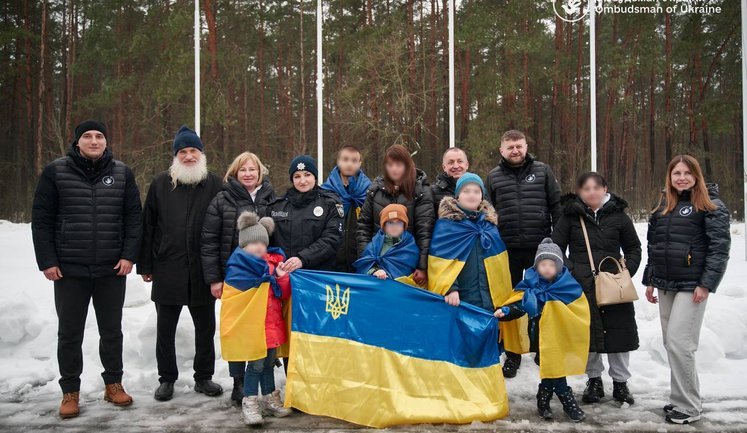
The Ukrainian government, alongside organizations such as Save Ukraine, has been actively working to rescue and return children from occupied territories. These efforts are part of initiatives aimed at safeguarding the futures of young Ukrainians amid the occupation.
How are local residents coping with life in occupied territories like Donetsk and Mariupol?
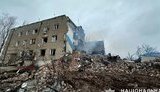
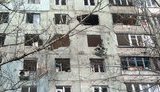
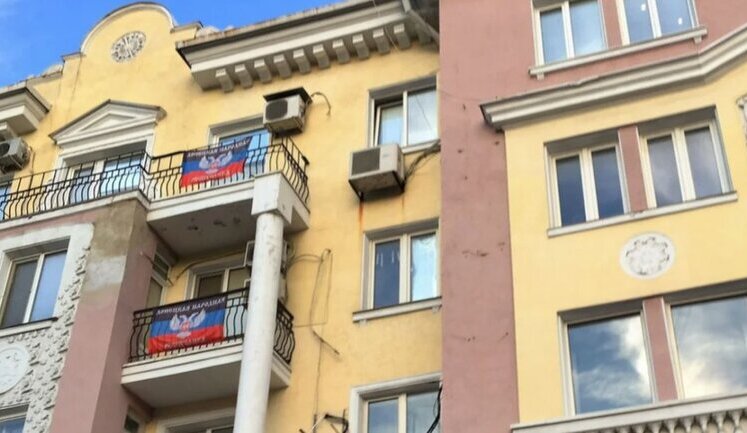
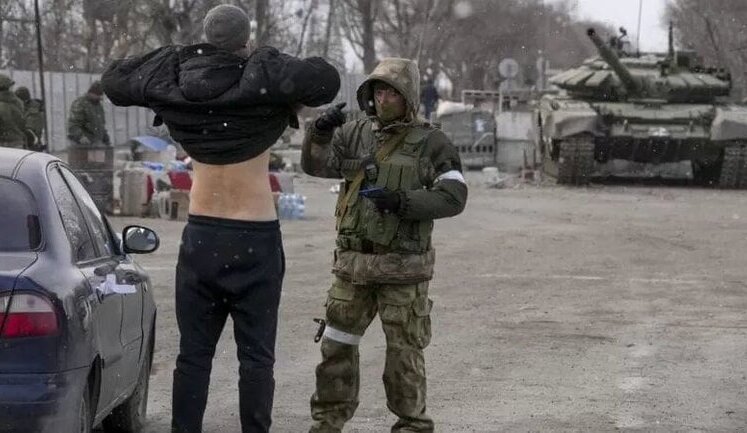
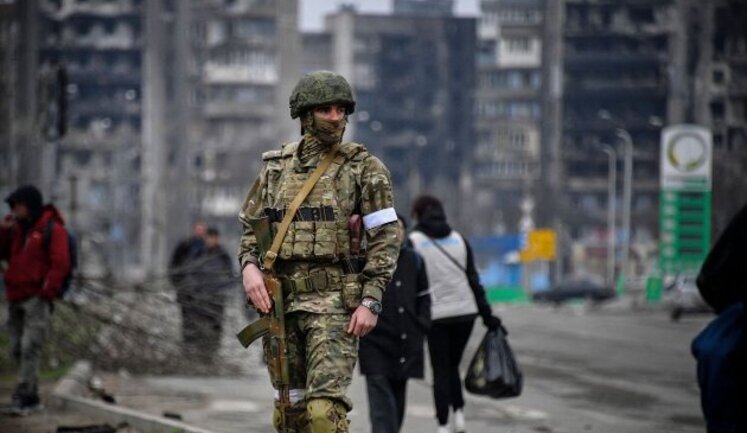
In occupied areas like Donetsk and Mariupol, residents are struggling with deteriorating living conditions. Issues such as inadequate access to utilities and humanitarian challenges portray the harsh realities faced by those in occupied regions under Russian control.
What legal consequences are individuals facing in the occupied territories?
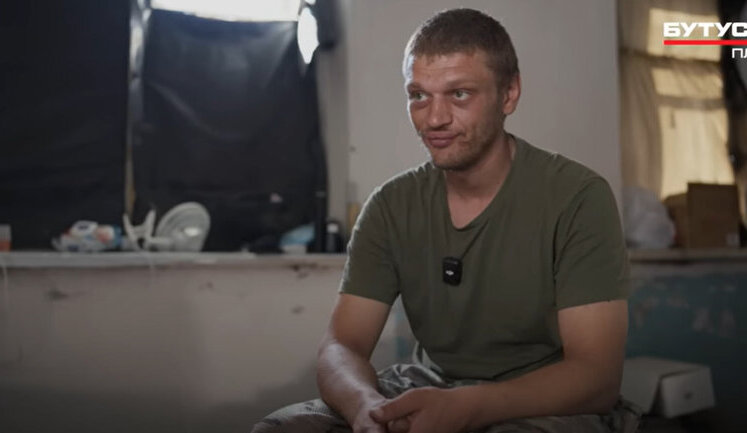
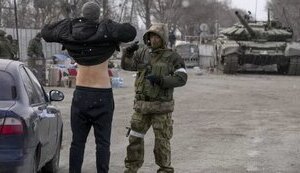
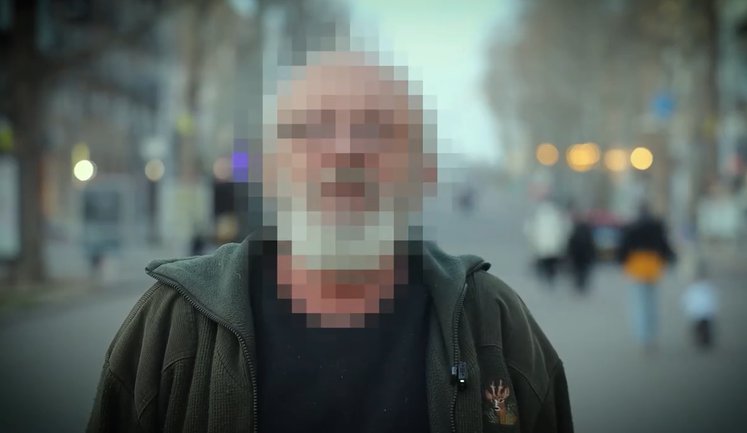
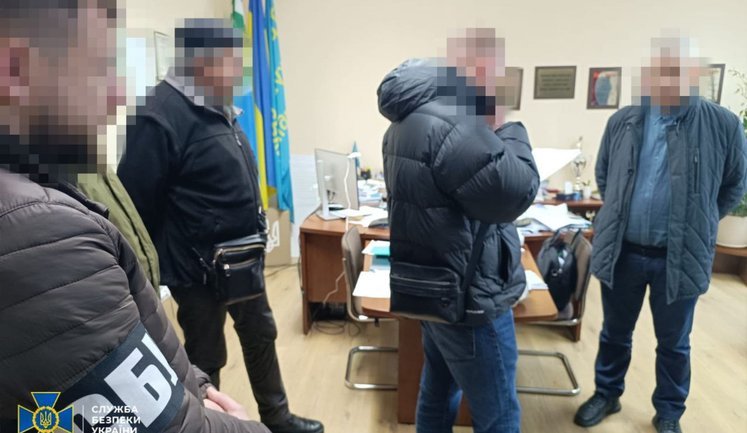
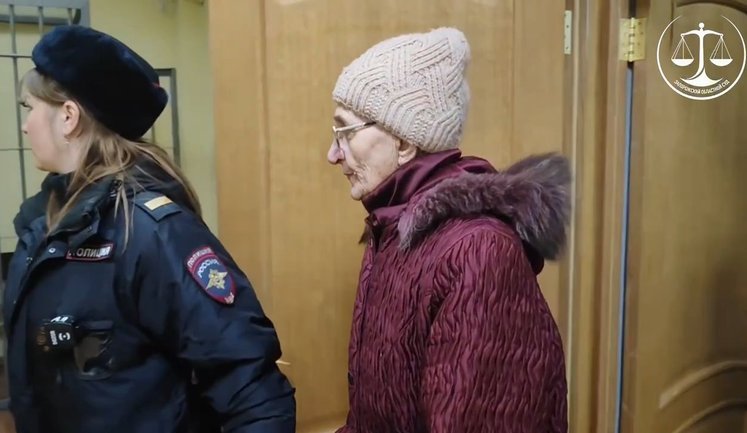
Residents in occupied territories are facing harsh penalties, including imprisonment, for perceived acts of defiance against occupiers. Allegations range from high treason to supporting Ukrainian forces, reflecting the oppressive measures imposed by occupation authorities.
What is the international response to Russia's occupation activities?
The international community, including the UN, has condemned Russia's actions in occupied Ukrainian territories. Resolutions highlighting human rights violations underscore global disapproval of Russia's attempts to legitimize its control over these areas.
How has the occupation impacted Ukrainian territorial sovereignty in recent years?
Since 2025, Russian forces have occupied significant areas of Ukrainian land, with offensives capturing thousands of square kilometers. This encroachment undermines Ukraine's territorial integrity and remains a focal point of conflict in the region.