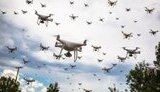
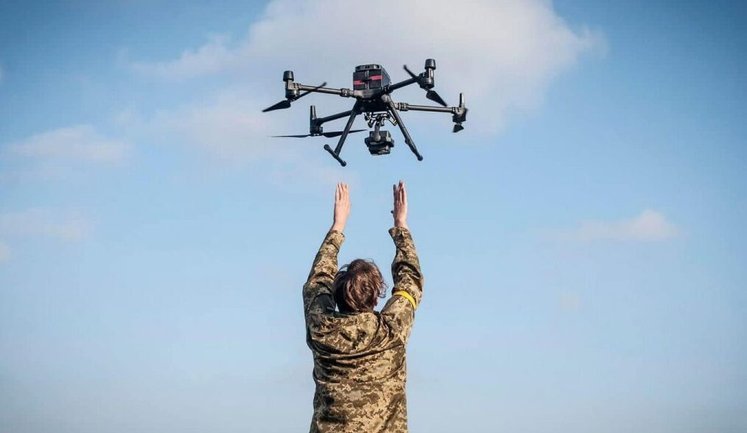
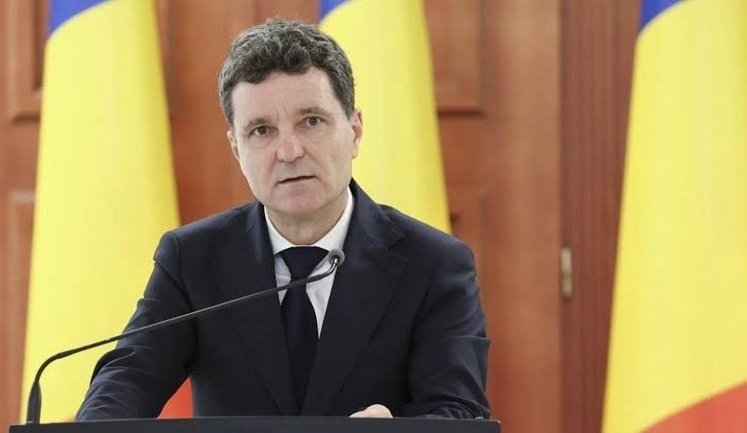
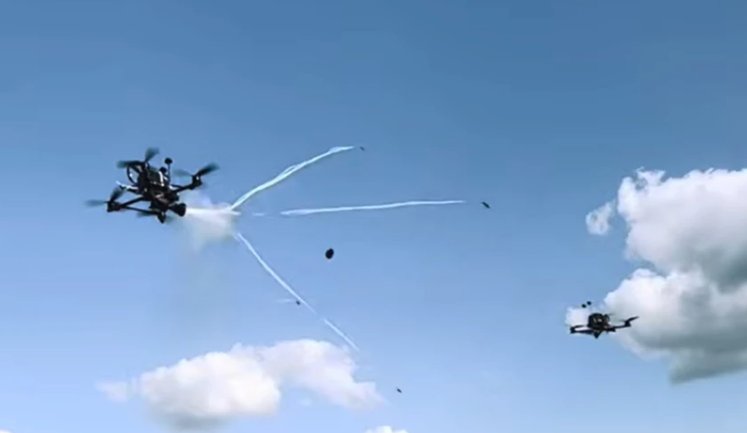
Ukrainian defense production stands at a crucial crossroads. The joint drone production project with Romania struggles due to rapid technological advancements posing obsolescence risks. Nicușor Dan, Romanian President, highlights the need for timely equipment selection to ensure project success. Meanwhile, Ukrainian drone output risks halting due to heavy battery dependence on China, as stated by Pawell Battery. The Ukrainian Ministry of Economy plans to revise exemption quotas from 100% to 85% to enhance defense workforce mobilization, yet industry leaders express concerns over losing staff. European nations are urged by Poland's Defense Minister, Kosiniak-Kamysz, to adopt a wartime production regime to match Russia's military capabilities.
Why is the joint drone project between Ukraine and Romania delayed?
The joint drone production between Ukraine and Romania is stalled in the negotiation phase mainly due to concerns over technological obsolescence. Rapid advancements mean equipment could become outdated within months. Selecting sustainable and future-proof technology is critical for overcoming these challenges and advancing the project.
What is the main vulnerability in Ukraine's defense sector?
Ukraine's defense sector heavily relies on China for more than 90% of the batteries used in drones and EW systems. This dependency exposes the industry to supply chain disruptions. Ensuring supply diversity and fostering local battery production capabilities could mitigate these vulnerabilities significantly.
How is Europe responding to increased arms production needs?
Europe, led by Poland's Defense Minister Kosiniak-Kamysz, is urged to shift its defense industries onto a wartime footing to escalate weapons production. This adaptation is crucial to maintain parity with Russia, which has already transitioned its military-industrial operations to a wartime regime.
What changes are being proposed for Ukraine's defense workforce mobilization?
The Ministry of Economy in Ukraine proposes reducing the defense industry employee mobilization exemption quota from 100% to 85%. This change aims to enhance military service participation, although it faces resistance from industry leaders concerned about maintaining a skilled workforce amidst intensified production demands.
What actions is Ukraine taking to localize drone production?
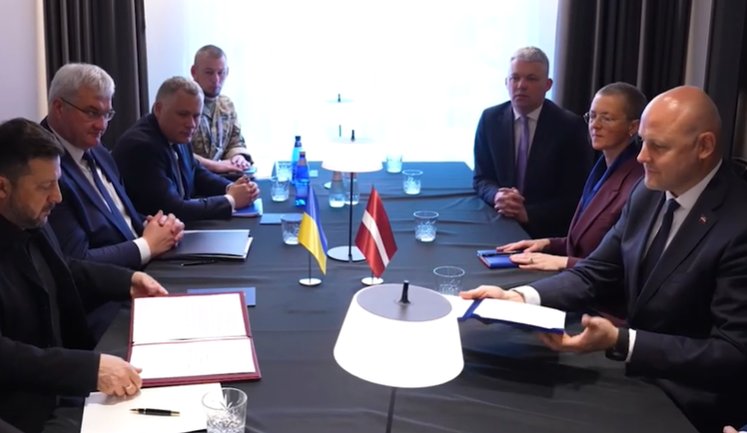
Ukraine plans to boost local drone production by initiating several collaborative agreements with countries such as Finland, Latvia, and Canada. These partnerships aim to establish a diversified and resilient production base, reducing dependency on external suppliers and enhancing local technological capabilities.