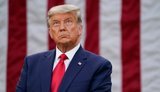
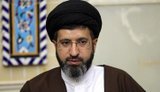
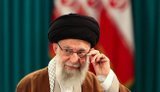
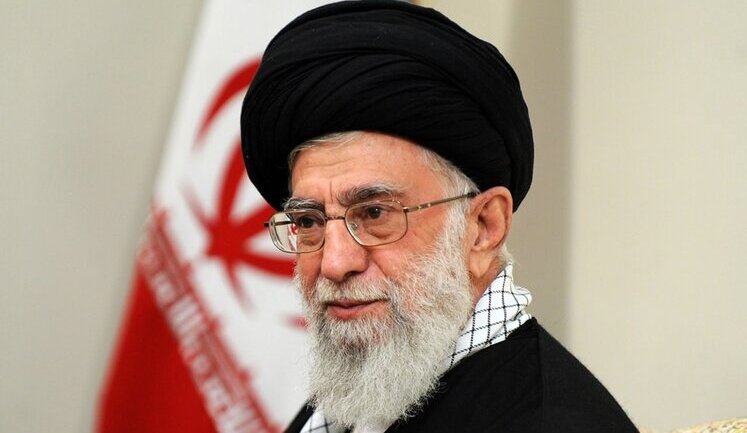
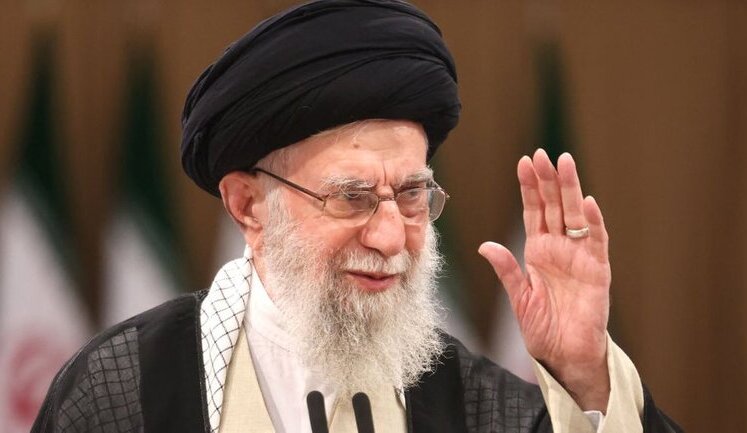
Mojtaba Khamenei's recent appointment as Iran's Supreme Leader has stirred international reactions. The decision follows the controversial demise of his father, Ayatollah Ali Khamenei, amid escalating geopolitical tensions marked by missile strikes in Iran attributed to US and Israeli forces. With Mojtaba's accession, figures like President Trump have expressed dissatisfaction, citing potential for increased regional instability. Meanwhile, the Israeli Defense Ministry asserts that any new Iranian leader, such as Mojtaba, may become a target for elimination, indicating a precarious future for Iranian leadership and proceedings with the West.
What led to Mojtaba Khamenei's appointment as Iran's new supreme leader?
Mojtaba Khamenei was appointed following the death of his father, Ayatollah Ali Khamenei, who was killed during airstrikes attributed to the US and Israel. His ascension marks a contentious shift in Iranian leadership amidst international tensions and strategic military actions.
How has the international community reacted to Mojtaba Khamenei becoming supreme leader?
The international response has been mixed. US President Trump expressed dissatisfaction, while other leaders view this as a pivotal moment for Iran's future. The Israeli Defense Ministry considers the new leader a target for potential elimination, highlighting regional insecurity.
What are the potential implications of Mojtaba Khamenei's leadership for regional stability?
With Mojtaba Khamenei's leadership, concerns over regional stability have intensified. Tensions between Iran and Western powers could escalate, leading to possible military actions and diplomatic challenges, especially with US and Israeli interests involved.
What were the circumstances surrounding the demise of Ayatollah Ali Khamenei?
Ayatollah Ali Khamenei's death was officially announced following significant missile strikes in Iran carried out by the United States and Israel. His passing has triggered international discussions and impacted Iran's political landscape and succession planning.
Why did President Trump express dissatisfaction with Mojtaba Khamenei's appointment?
Trump's dissatisfaction stems from concerns over potential continuity of hardline policies associated with the former leadership. The appointment could complicate US-Iran relations, especially regarding nuclear negotiations and regional security dynamics.
What implications do military actions in Iran have for its leadership transition?
Military actions, such as those attributed to the US and Israel, create a precarious environment for leadership transitions in Iran. These actions add pressure on new leaders like Mojtaba Khamenei, posing threats to their legitimacy and power consolidation efforts.
How is Mojtaba Khamenei's leadership expected to influence Iran's future policy direction?
Under Mojtaba Khamenei, Iran may continue its previous policies, although there's potential for shifts depending on regional dynamics and leadership decisions. Observers anticipate changes in diplomatic strategies, particularly in relation to US and Western engagements.