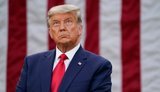
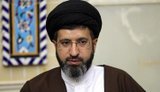
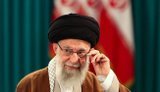
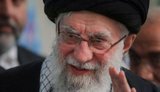
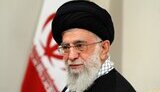
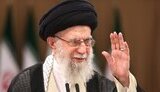
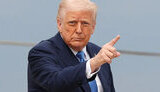
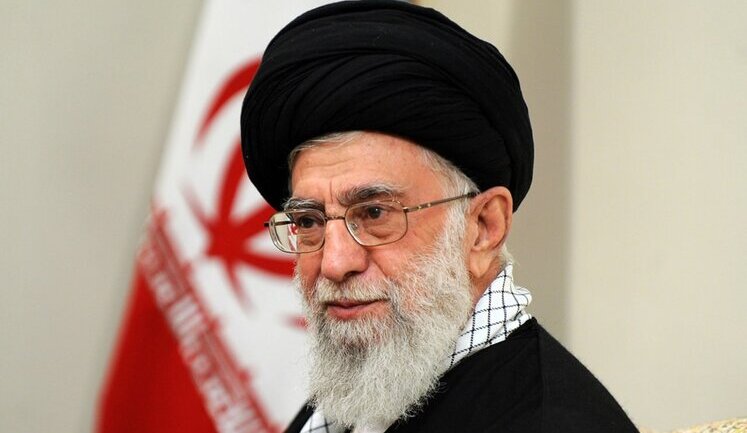
The landscape of Iranian leadership has shifted dramatically with the death of Ayatollah Ali Khamenei. Amidst global political tensions, President Donald Trump has expressed willingness to meet Mojtaba Khamenei, Iran's new Supreme Leader, if peace agreements are reached. The US-Israeli missile strikes have left the region in mourning, and Mojtaba Khamenei has called for justice for his father and others killed in conflict. With international eyes on Iran's future, diplomatic relations with the US hang in balance as both nations navigate these turbulent changes, seeking peaceful resolutions and understanding.
What are the implications of Khamenei's death for Iran?
The death of Ayatollah Ali Khamenei marks a significant shift in Iran's political landscape. Mojtaba Khamenei's ascension as the new Supreme Leader opens opportunities for renegotiation of diplomatic ties and possibly shifting internal and international policies, particularly regarding conflict with Israel and relations with the United States. This transition could alter Iran's approach to global diplomacy.
How has the international community reacted to Khamenei's death?
International reactions to Ayatollah Ali Khamenei's death have varied. The EU has expressed cautious optimism for change, while the United States sees a potential opening for renewed diplomatic talks. However, the situation remains tense, with countries like Israel emphasizing security concerns, and Iran’s ongoing insistence on retribution complicating diplomatic overtures.
What are the prospects for US-Iran relations under Mojtaba Khamenei?
Mojtaba Khamenei's rise to power has led to renewed calls for diplomatic talks with the United States. President Trump has indicated a willingness to engage, conditional on progress toward ending conflicts involving Iran. The future of US-Iran relations will hinge on mutual diplomatic efforts and the international community's influence on peace negotiations.
Why has Trump expressed dissatisfaction with Mojtaba Khamenei’s leadership?
President Trump's dissatisfaction with Mojtaba Khamenei's leadership stems from concerns over continuity of hardline policies initiated by his father, Ali Khamenei. The US administration is wary of Khamenei's initial stance against resuming nuclear talks, which could affect regional stability and US foreign policy goals toward Iran.
What are the potential outcomes of Iran's calls for retribution?
Iran's call for retribution by Mojtaba Khamenei might escalate tensions in the region, potentially leading to violent confrontations or terrorism. This stance could further isolate Iran internationally if retaliatory measures lead to conflict. Diplomatic efforts will be crucial in mitigating escalation and ensuring regional stability.
How does Khamenei's leadership shift influence Iran's Middle East strategy?
The shift in leadership under Mojtaba Khamenei might influence Iran’s strategy in the Middle East, potentially altering alliances and its stance on conflicts such as the one with Israel. The leadership change is an opportunity for Iran to reassess its geopolitical strategies and reset its diplomatic relations, impacting its regional influence significantly.