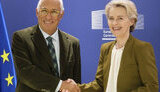
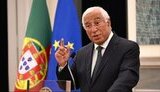
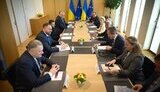
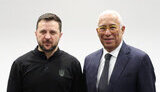
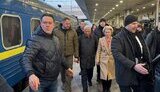
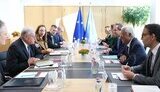
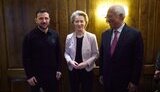
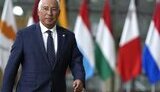
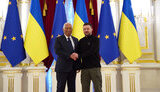
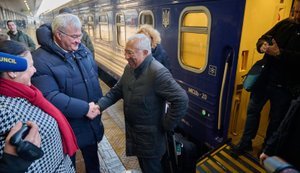
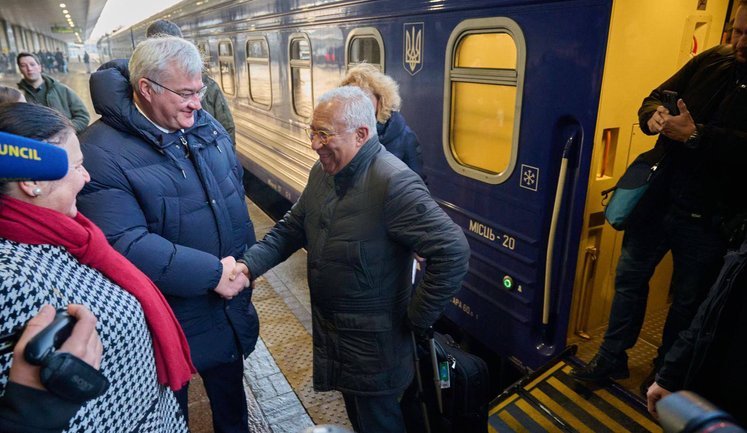
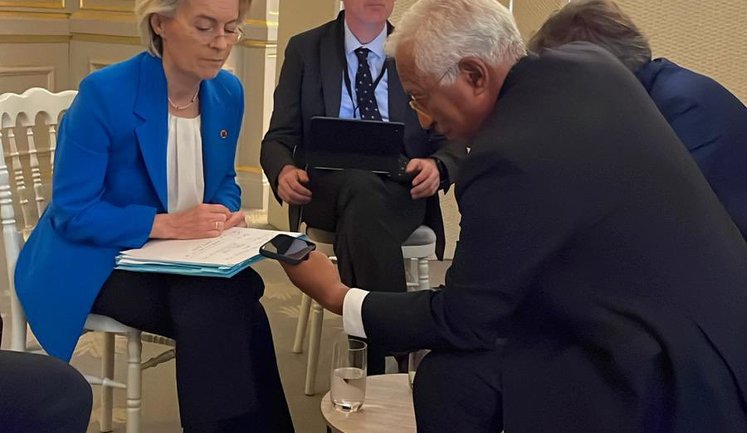
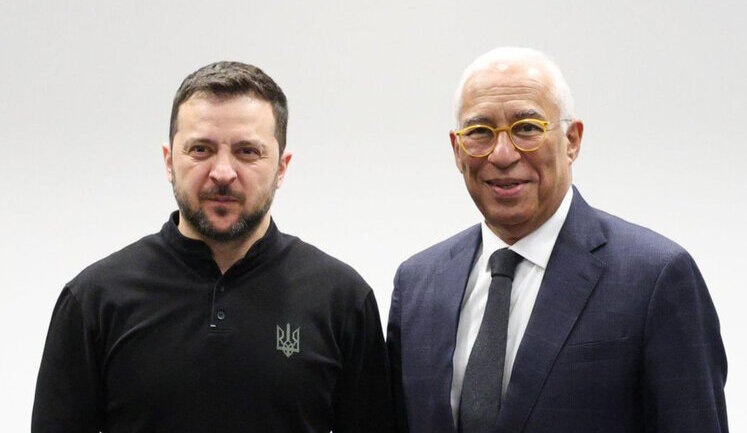
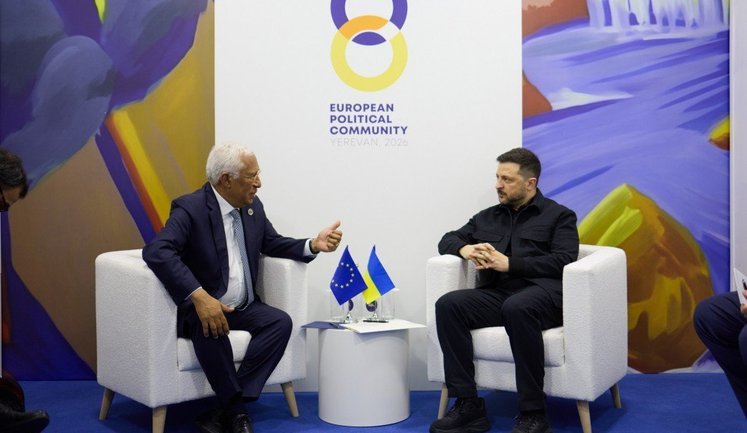
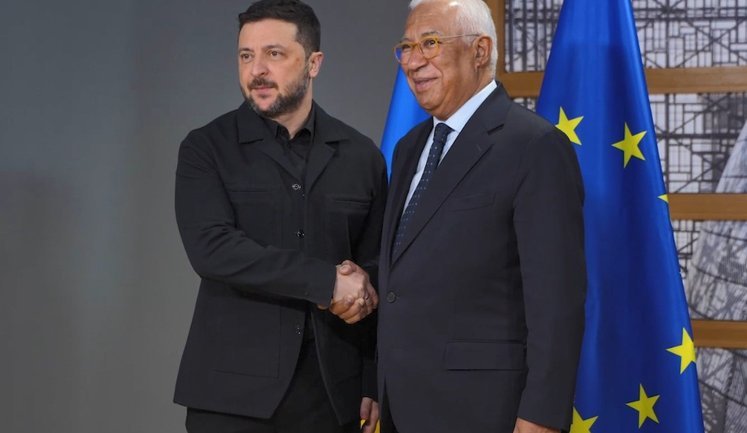
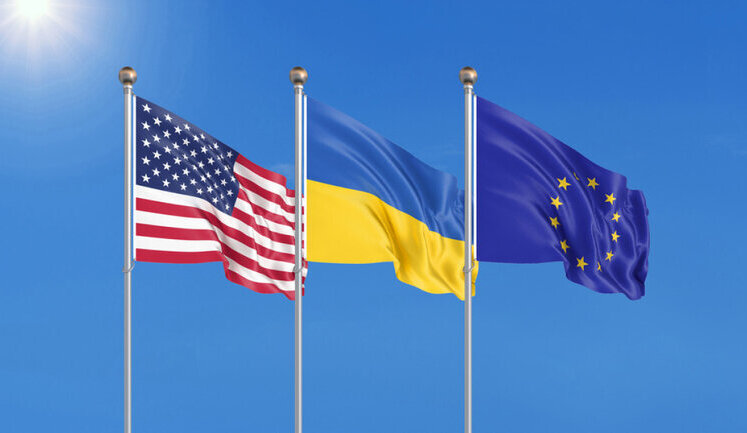
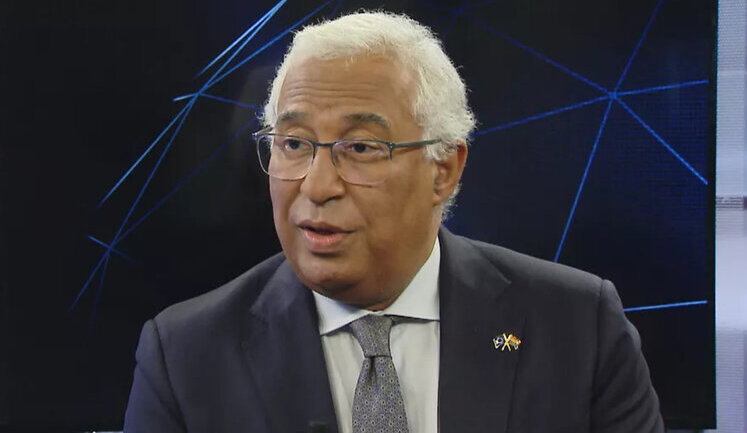
António Costa, President of the European Council, plays a pivotal role in shaping the EU's policies towards the Russia-Ukraine conflict. He actively participates in discussions on sanctions against Russia, stressing the importance of maintaining pressure on Moscow to foster peace in Ukraine. Costa has underscored the necessity of supporting Ukraine's defense and financial stability, highlighting EU aid packages. Furthermore, his involvement in high-level meetings with EU leaders and Ukraine reflects his commitment to Ukraine's EU accession aspirations, despite challenges from EU member states. Costa's continuous engagement underscores his dedication to achieving a lasting peace and stability in the region.
What role does António Costa play in the EU's approach to Ukraine?
António Costa, as the European Council President, is instrumental in forming the EU's approach towards Ukraine. He advocates for continuous sanctions against Russia, supports military and financial aid for Ukraine, and participates in strategic talks highlighting Ukraine's potential EU accession. His efforts underline the EU's commitment to Ukraine's sovereignty and peace.
How does Costa influence EU sanctions against Russia?
Costa emphasizes the importance of maintaining and increasing sanctions on Russia to compel it to discuss peace terms for Ukraine. His stance is crucial in EU decisions related to sanction packages, ensuring continued pressure on Moscow as a means to halt military aggression and uphold Ukraine's territorial integrity.
What is Costa's view on Ukraine's EU membership aspirations?
António Costa supports Ukraine's EU membership aspirations, stating that it is the best security guarantee for the country. He acknowledges Ukraine's reform efforts and advocates for sustained discussions and steps towards Ukraine's potential accession, despite political obstacles from some EU member states.
What has Costa said about Ukraine's defense capabilities?
Costa underscores the critical need to enhance Ukraine's defense capabilities as a vital component of both European and Ukrainian security. He urges EU partners to bolster military support, ensuring Ukraine can effectively defend itself against aggression, thereby protecting the larger European region from instability.
Why is Costa against relaxing sanctions on Russia?
António Costa believes that relaxing sanctions on Russia would undermine efforts to achieve a just and lasting peace in Ukraine. He argues that sustained economic pressure on Moscow is necessary to bring it to the negotiating table, thus deterring further military aggression and safeguarding Ukrainian and regional security.
What are Costa's views on financial aid to Ukraine?
Costa advocates for substantial financial aid to Ukraine, reinforcing the EU's commitment to support Ukraine's economic stability and defense needs. He considers such aid crucial for Ukraine's resilience against aggression and for its developmental path towards potential EU membership.
How does Costa address EU member states' concerns about Ukraine's EU bid?
Costa navigates the concerns of EU member states regarding Ukraine's EU bid by highlighting Ukraine's reform progress and the strategic benefits of its potential membership. He focuses on fostering unity among EU nations to support Ukraine's accession journey, balancing political sensitivities with security imperatives.
What is Costa's position on Europe's defense independence?
António Costa advocates for greater defense independence for Europe, asserting the need for EU nations to have robust defense systems separate from U.S. reliance. This stance is driven by the intent to bolster European security through collaborative defense initiatives, enhancing overall regional safety and stability.