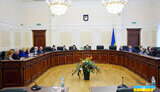
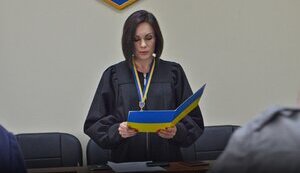
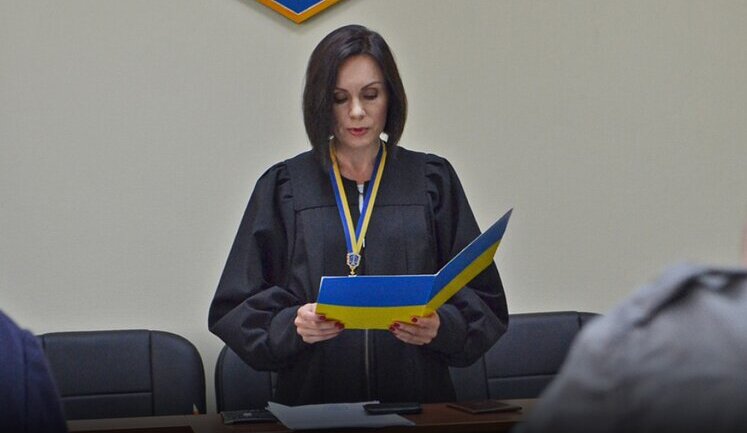
The Supreme Council of Justice has been at the center of significant events and controversies in Ukraine's justice system. A recent Russian strike severely damaged its building in Kyiv, causing casualties and highlighting ongoing tensions. Amidst this, the council has faced scrutiny for reinstating judges like Arina Litvinova, accused of holding Russian citizenship, and dismissing others for disciplinary offenses. Notably, Judge Pelykh, implicated in bribery, has been mobilized into Ukraine's Armed Forces, adding to the complex narrative surrounding judicial integrity. The council's decisions continue to shape Ukraine's legal landscape, impacting both domestic and international perceptions of its judicial reform efforts.
What recent event impacted the Supreme Council of Justice's building?
A Russian strike recently damaged the building of the Supreme Council of Justice in Kyiv, resulting in casualties. This event underscores the ongoing tensions and challenges faced by Ukrainian institutions amid the geopolitical conflict.
Why was Judge Pelykh mobilized into Ukraine's Armed Forces?
Judge Oleksandr Pelykh, previously detained for accepting a bribe, was mobilized into Ukraine's Armed Forces. His mobilization reflects the complex interplay between legal accountability and national service obligations, highlighting broader judicial implications.
Why was Judge Litvinova dismissed by the HCJ?
Judge Arina Litvinova was dismissed by the High Council of Justice after being found to hold Russian citizenship by journalists. This decision marks a pivotal moment in addressing citizenship concerns within the Ukrainian judiciary, reinforcing integrity standards.
What recent complaint involved the HCJ and a Pecherskyi District Court judge?
The NABU director filed a complaint with the High Council of Justice against a Pecherskyi District Court judge for returning seized funds to unauthorized persons. This case exemplifies ongoing efforts to enforce disciplinary measures and uphold judicial accountability.
What are the ongoing concerns surrounding the Supreme Council of Justice's decisions?
Concerns persist regarding the Supreme Council of Justice’s decisions, particularly its reinstatement of certain judges and dismissal of others. These actions, amid corruption allegations, call into question the consistency and transparency of judicial reforms in Ukraine.
How did the Supreme Council of Justice respond to Judge Arestova's Russian passport revelation?
The Supreme Council of Justice dismissed Judge Liudmyla Arestova of the Donetsk District Administrative Court after journalists revealed her Russian citizenship. This response underscores efforts to maintain judicial integrity and counter dual loyalty risks in Ukraine's legal system.
What actions did the Supreme Council of Justice take concerning Judge Vovk?
Judge Pavlo Vovk, former head of the liquidated Kyiv District Administrative Court, was dismissed by the High Council of Justice. This decision followed accusations of misconduct and highlights the judicial body's role in upholding ethical standards within the legal community.
Has the Supreme Council of Justice faced international scrutiny?
Yes, the Supreme Council of Justice has faced international scrutiny, with G7 ambassadors urging reforms. These calls from global observers emphasize the critical need for transparent, effective judicial processes in Ukraine to foster international trust and cooperation.
How is the Ukrainian government addressing judicial reform concerns?
Ukrainian President Zelenskyi has vowed to prevent any obstruction of judicial reforms. The government is committed to assessing and countering illegal actions that could impede the progress of reforms vital for justice and national governance standards.