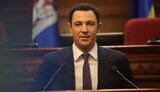
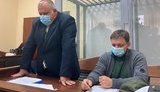
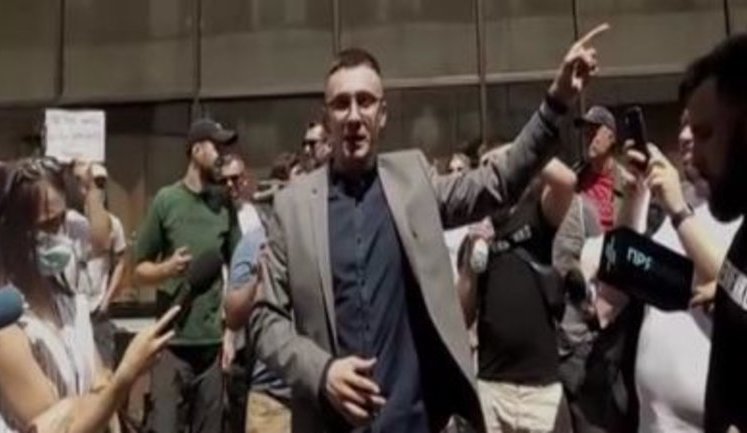
Recent court decisions in Ukraine have spotlighted the use of house arrest as a legal measure for notable figures. Nestor Shufrych, a former MP, has been placed under house arrest due to suspicions of state treason, reflecting the ongoing legal challenges faced by former members of opposition parties. Meanwhile, Hennadii Trukhanov, the former mayor of Odesa, is under house arrest linked to a case of negligence causing multiple fatalities. The courts continue to utilize house arrest as a means of pre-trial restriction, affecting MPs from various parties like Mykola Tyshchenko of the Servant of the People party, who is implicated in multiple legal issues including unlawful detention. These cases highlight the ongoing legal scrutiny of public figures in Ukraine.
What is the legal process for imposing house arrest on an individual in Ukraine?
In Ukraine, house arrest is imposed by a court as a preventive measure usually during pre-trial proceedings. The decision is based on the severity of the charges and whether the suspect might abscond or tamper with evidence. House arrest involves restrictions on the individual's movements and may include electronic monitoring.
Why was MP Shufrych placed under house arrest by the Kyiv court?
MP Nestor Shufrych was placed under house arrest by the Kyiv court due to allegations of state treason. The court deemed house arrest an appropriate preventive measure while investigations continue, allowing authorities to monitor him closely and prevent any potential interference with the case.
How does house arrest differ from other forms of pre-trial restriction?
House arrest is a restrictive measure where an individual is confined to their home with specific conditions, unlike custody in a detention center. This allows for monitoring via electronic bracelets and minimizes disruption to personal life while still ensuring compliance with legal processes.
Can a court extend the duration of a house arrest order?
Yes, courts in Ukraine can extend the duration of house arrest orders. This extension is typically reviewed regularly, and extensions are granted based on ongoing investigations and any new evidence that may influence the risk assessment of allowing the individual more freedom of movement.
What are common restrictions applied during house arrest in Ukraine?
Common restrictions during house arrest in Ukraine include confinement to one's residence, regular check-ins with law enforcement, prohibitions on communication with certain individuals, and the use of electronic monitoring devices to track movements, ensuring adherence to the conditions set by the court.
What factors influence a court’s decision to place someone under house arrest?
Court decisions to impose house arrest depend on factors such as the severity of charges, the risk of flight, potential for evidence tampering, the individual’s background, including previous offenses, and whether less restrictive measures could ensure participation in legal processes.