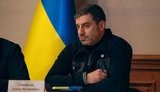
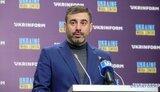
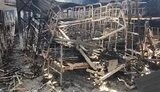
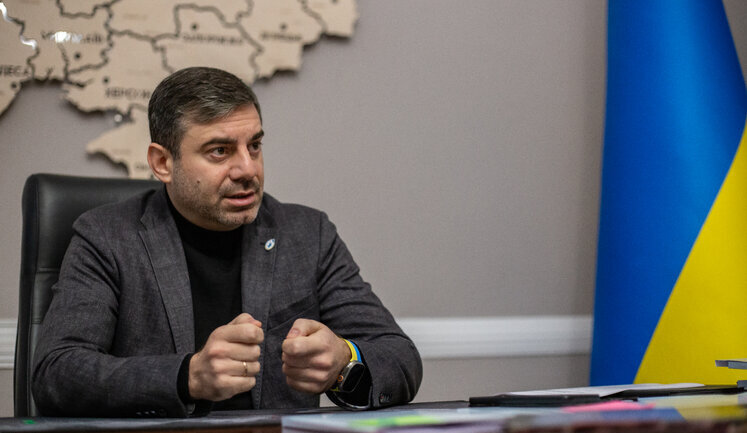
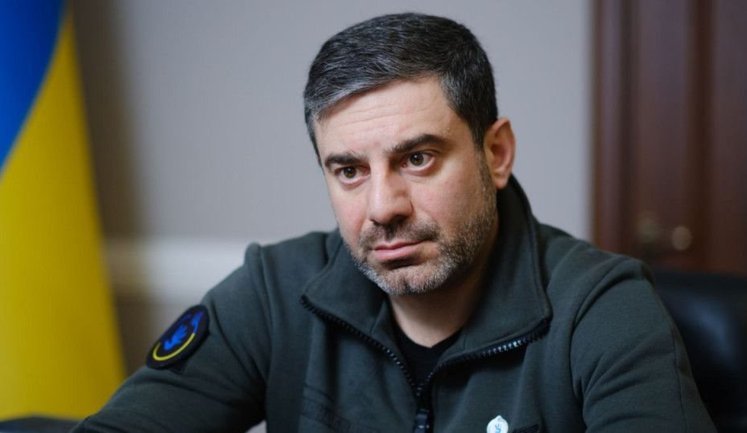
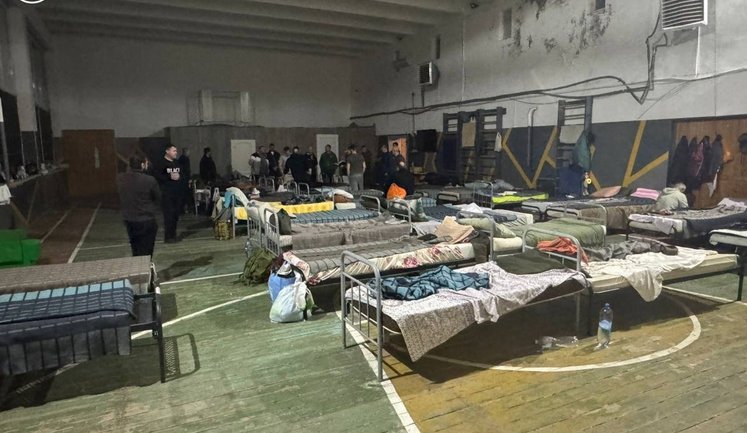
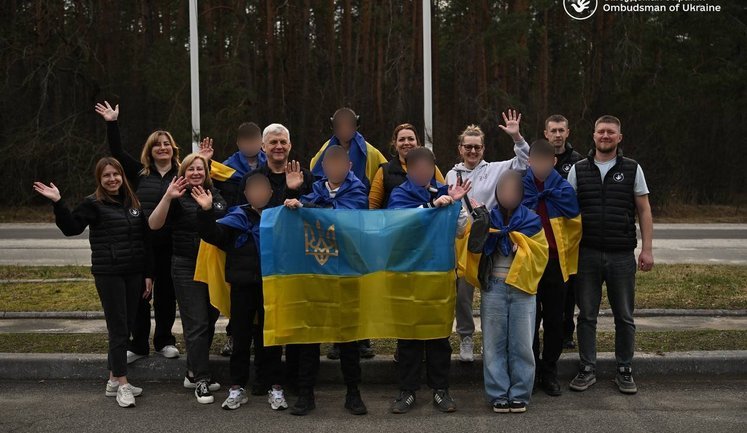
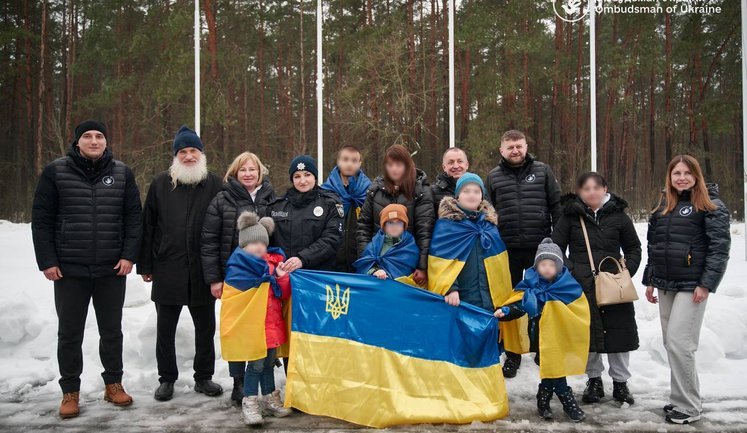
Dmytro Lubinets, Ukraine's Commissioner for Human Rights, has intensified efforts to address severe human rights violations amid the ongoing conflict. Asserting that Russian forces' actions extend far beyond warfare, Lubinets actively communicates with international bodies like the UN and ICRC to highlight atrocities, including the execution of Ukrainian POWs and abuse of detained civilians. His office achieved notable success in the "Bring Kids Back UA" initiative, facilitating the return of abducted children from Russian-occupied regions. Moreover, Lubinets condemns the illegal detention and execution of Ukrainian POWs, reinforcing Ukraine's commitment to defending human rights.
What initiatives has Lubinets launched for abducted Ukrainian children?
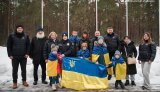
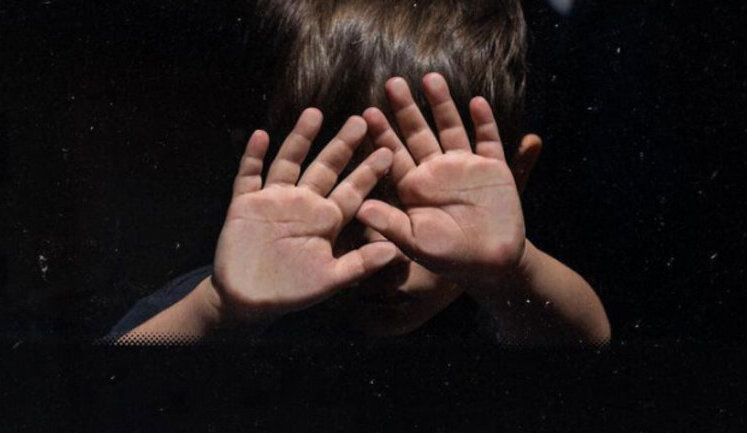
Lubinets spearheads the "Bring Kids Back UA" initiative, aiming to return Ukrainian children from occupied territories and Russia. His efforts, often involving international partners like Qatar, have successfully facilitated the safe return of many children, ensuring their reintegration into Ukrainian society and highlighting ongoing humanitarian challenges.
How does Lubinets address human rights violations in Ukraine?
Lubinets actively addresses violations by Russian forces through direct communication with international organizations such as the UN and ICRC. He highlights issues including the execution of prisoners and civilian abuses, ensuring these breaches are documented and advocating for increased international pressure on Russia to adhere to humanitarian laws.
What impact has Lubinets had on prisoner exchanges?
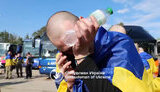
Lubinets has played a significant role in ongoing prisoner exchanges between Ukraine and Russia. Through negotiations and advocacy, he has been instrumental in facilitating the return of numerous Ukrainian prisoners of war and civilians, thereby underscoring Ukraine's commitment to humanitarian principles and restoring hope to affected families.
What stance does Lubinets take on Russian military actions?
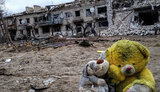
Lubinets strongly condemns Russian military actions, labeling them as acts of terror rather than warfare. Through his communications, he emphasizes the severe impact on civilians and infrastructure, urging global entities to recognize and respond to these acts as not only military but grave humanitarian violations.
How has Lubinets addressed the environmental impact of Russian attacks?
Lubinets brings attention to environmental damages caused by Russian military actions, such as oil leaks in the Dniester following attacks on infrastructure. By highlighting these issues, he informs international partners about the broader ecological threats posed by the conflict, advocating for global awareness and action to mitigate these effects.