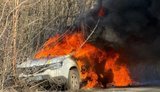
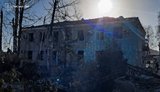
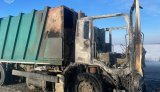
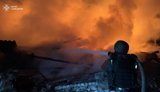
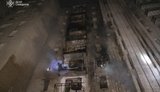
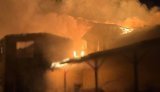
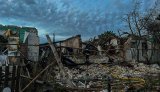
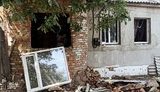
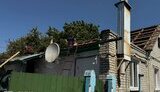
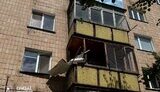
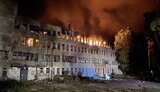
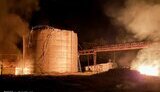
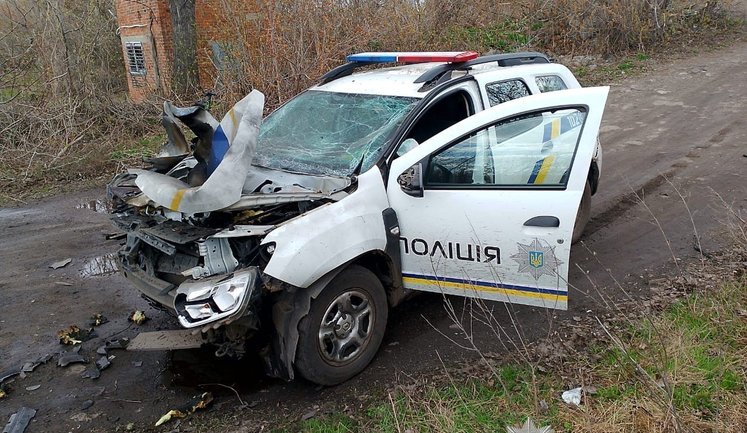
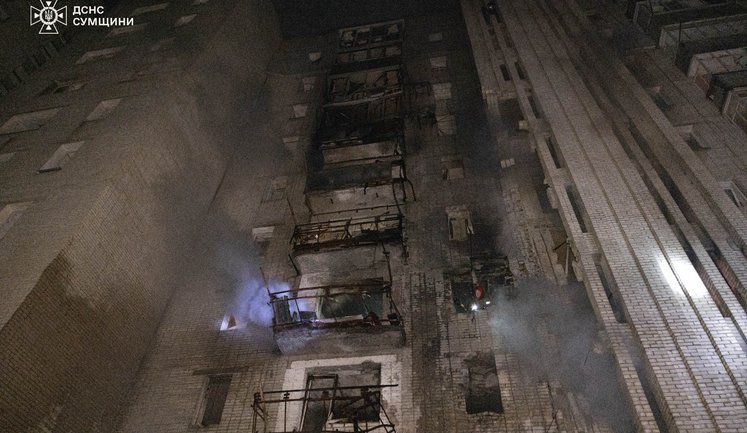
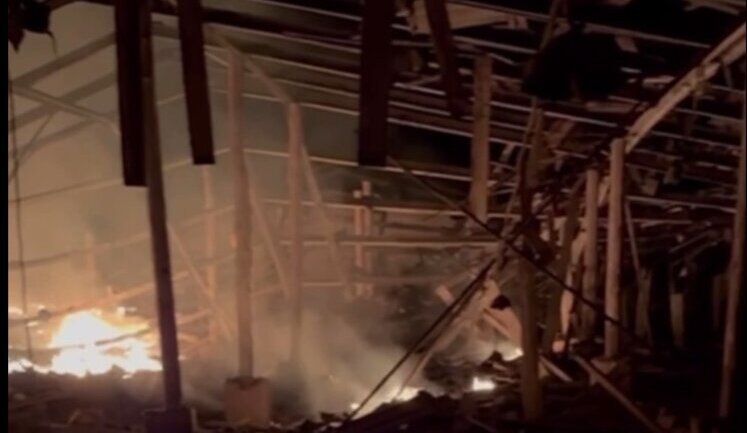
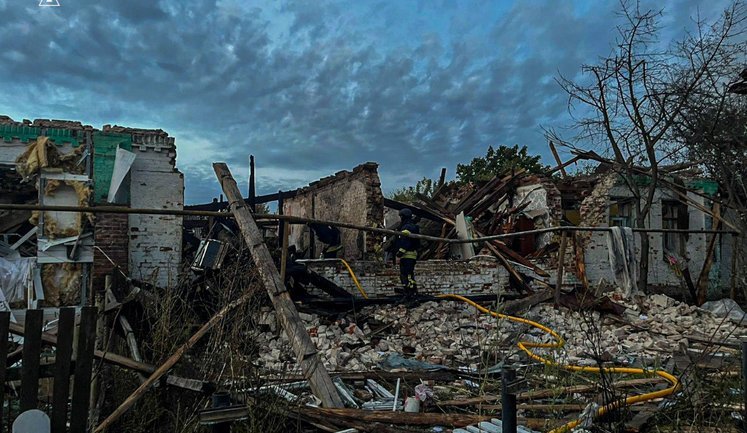
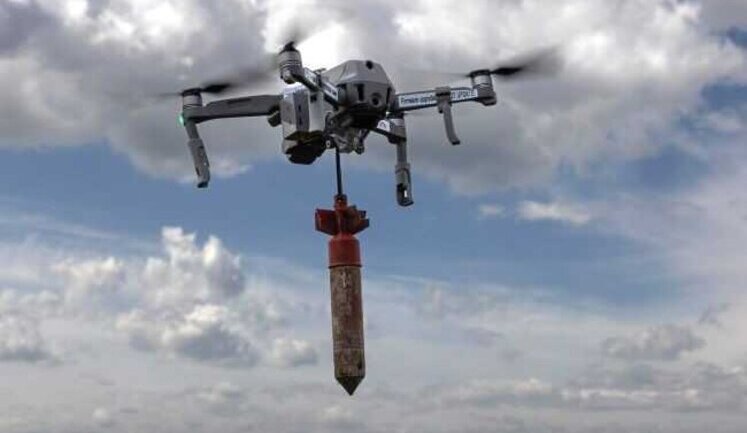
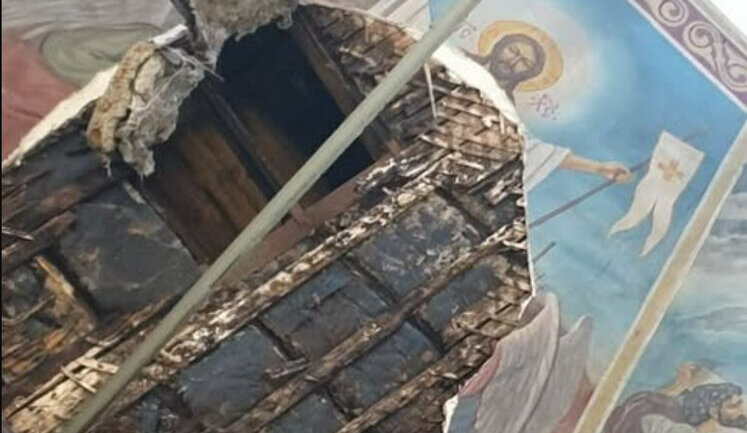
Recent UAV attacks in the Sumy region have intensified, causing significant damage and casualties. Within weeks, multiple communities, including Konotop and Shostka, have been targeted by Russian drones. The latest attacks resulted in injuries across various districts, with critical infrastructure and civilian vehicles heavily damaged. Fires were reported following strikes in Bochechky and Mykolaivka communities. The mounting crisis underscores the escalating threat from UAVs in the region, leading to widespread disruption and insecurity. Residents face ongoing dangers as Russian troops target both civilian and municipal targets with no signs of de-escalation.
How have UAV attacks impacted the Sumy region's infrastructure?
UAV attacks in the Sumy region have severely impacted infrastructure, with critical facilities, residential buildings, and transport networks suffering significant damage. The strikes have caused power outages, disrupted water supplies, and led to fires in various communities, notably in Konotop and Shostka districts.
What are the casualties reported from the recent UAV strikes in Sumy?
Recent UAV strikes in the Sumy region have resulted in multiple casualties. Reports indicate several people were injured, with confirmed fatalities in attacks on civilian vehicles and infrastructure. The attacks on Konotop and Mykolaivka communities have been particularly damaging.
Are there specific communities in Sumy experiencing repeated UAV attacks?
Yes, specific communities within Sumy, such as Konotop and Shostka, have been repeatedly targeted by Russian UAV attacks. These areas have experienced consistent strikes affecting both civilian and municipal facilities, leading to sustained damage and fraying local resilience.
What measures are being taken to mitigate the effects of UAV strikes in Sumy?
To mitigate the effects of UAV strikes, local authorities in Sumy are likely deploying emergency response teams to address immediate threats. Additionally, efforts to repair damaged infrastructure are imperative, alongside strategic adjustments to bolster defenses and protect vulnerable areas.
How are civilians in the Sumy region coping with ongoing UAV attacks?
Civilians in the Sumy region are facing a challenging situation with the ongoing UAV attacks. They are trying to cope by seeking refuge in safer areas and relying heavily on emergency services. Community resilience and solidarity are key as they navigate the persistent threat of further drone strikes.
Which types of UAVs are being used in the Sumy region attacks?
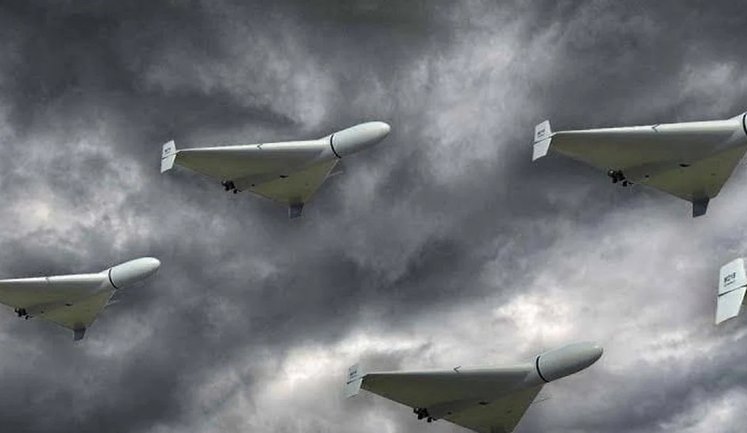
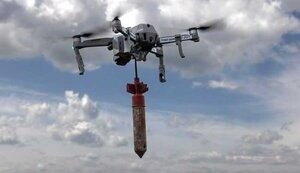
Russian forces have been using a variety of UAVs for attacks in the Sumy region, including Shahed and Lancet drones. These UAVs are employed to execute strategic strikes on both civilian and critical infrastructure, resulting in severe damage and sustained disruption within the affected communities.
Has there been any international response regarding UAV attacks in Sumy?
International response to the UAV attacks in the Sumy region includes condemnation from foreign governments and increased media coverage highlighting the escalation. There is potential for diplomatic measures and economic sanctions aimed at dissuading further aggression and supporting Ukraine in defending its territories.
What are the potential long-term impacts of UAV attacks on Sumy region?
The long-term impacts of UAV attacks on the Sumy region could include significant economic strain from repairing infrastructure, increased displacement of residents, and elevated security concerns. Psychological effects on the population and disruptions to daily life are likely to persist, necessitating strengthened community support systems.
How is the Ukrainian government addressing the UAV threat in Sumy?
The Ukrainian government is actively addressing the UAV threat in the Sumy region through increased military vigilance and strategic planning. Security forces are likely focusing on strengthening air defense systems, improving early warning mechanisms, and coordinating with international allies to mitigate the threat posed by Russian UAVs.