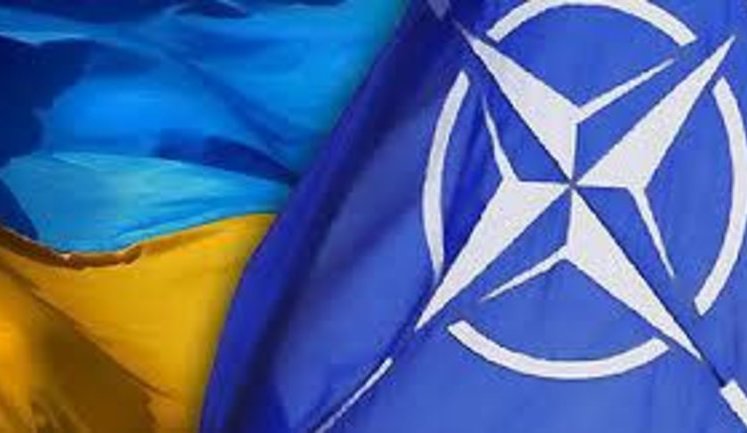
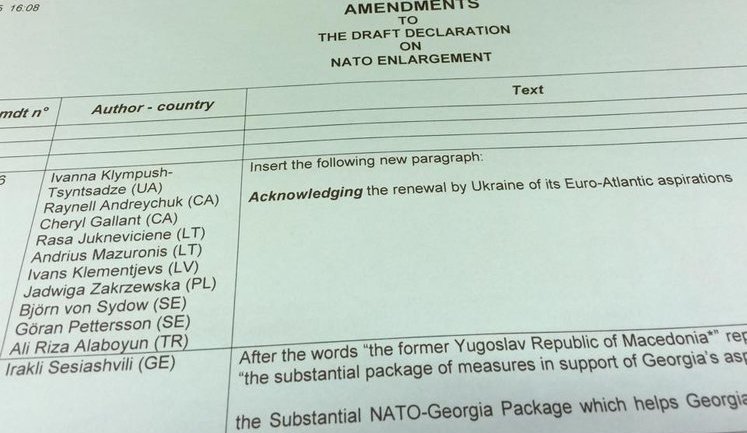
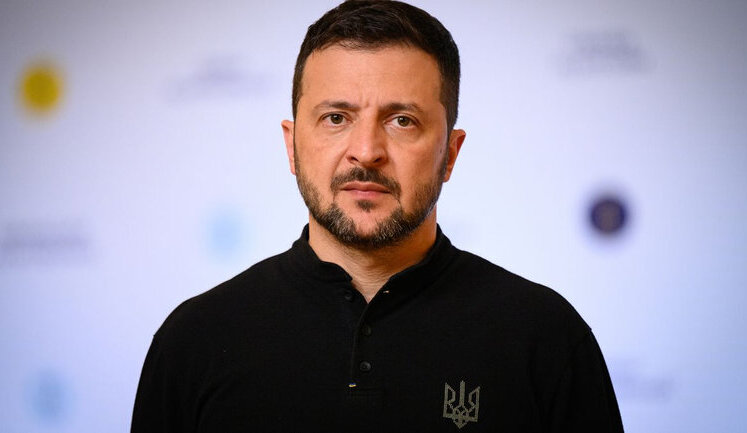
Ukraine's aspiration to join NATO faces numerous challenges, with several member states expressing opposition. NATO membership is seen as a long-term goal, essential for Ukraine's security amidst Russian threats. Despite dissent from countries like Slovakia and uncertainties posed by leaders like Donald Trump, President Zelenskyy remains steadfast on Ukraine’s NATO path. Meanwhile, both domestic public opinion and allies like Germany and Poland show strong support for Ukraine's Euro-Atlantic integration. While security guarantees akin to NATO’s Article 5 are sought as an interim solution, discussions on membership keep the geopolitical spotlight on Ukraine.
What are the major obstacles to Ukraine's NATO membership?
The primary obstacles include opposition from several NATO member states, geopolitical tensions with Russia, and internal disagreements within the Alliance. Some countries fear that Ukraine's accession could escalate conflicts, particularly with Russia, which views it as a direct threat. Discussions continue to navigate these challenges while maintaining strong support from key allies.
How does public opinion in Ukraine view NATO membership?
Public opinion in Ukraine overwhelmingly supports NATO membership, with recent polls indicating up to 90% of citizens favoring Euro-Atlantic integration. This widespread support spans across all regions of Ukraine, reflecting a significant shift towards aligning with Western security structures amidst ongoing conflicts with Russia.
What is NATO's current official stance on Ukraine's membership?
NATO maintains that Ukraine's path to potential membership remains open, yet significant political and security conditions must be met. While Ukraine's aspirations are supported by several members, especially amidst the war with Russia, formal accession talks are complex and remain under ongoing discussion. Temporary security measures are considered in the interim.
How has the United States responded to Ukraine's NATO aspirations?
The United States has shown a cautious stance on Ukraine's immediate NATO membership but strongly supports its sovereignty and defense capabilities. US aid focuses on military assistance and bilateral security guarantees. Discussions continue regarding long-term strategies that align Ukraine with NATO without full membership amidst current geopolitical challenges.
What security guarantees are being discussed for Ukraine?
Ukraine seeks security guarantees similar to NATO's Article 5, which would provide a collective defense framework without formal membership. Such guarantees would likely involve bilateral agreements with key NATO members and increased investment in Ukraine's defense infrastructure. The goal is to deter aggression while political agreements are negotiated.
Has any NATO member publicly supported Ukraine's membership?
Yes, some NATO members, such as Poland and Germany, have expressed public support for Ukraine's accession, recognizing its strategic importance in maintaining European security. These countries advocate for a clear integration roadmap, highlighting Ukraine as a vital partner in collective defense against regional threats.
How does the ongoing conflict affect Ukraine’s NATO aspirations?
The ongoing conflict with Russia complicates Ukraine's NATO aspirations, as the Alliance typically refrains from extending membership to countries actively involved in territorial disputes. Despite this, Ukraine continues to seek integration, arguing that NATO membership would provide essential security guarantees against further aggression.