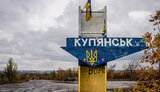
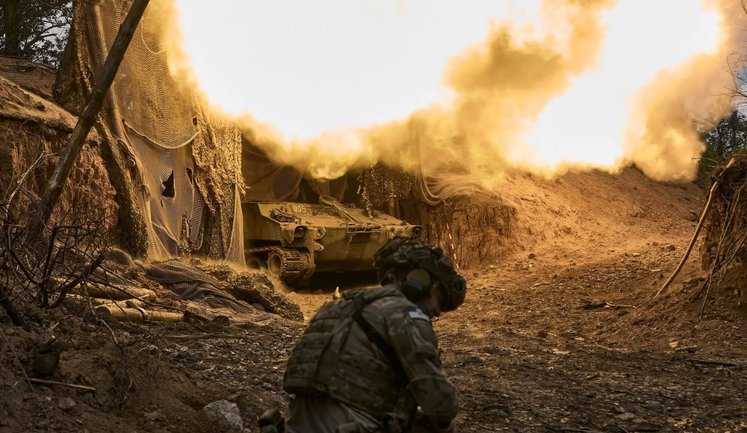
The Oskil River remains a focal point in the Russian-Ukrainian conflict. Russian troops are struggling to maintain their bridgehead north of Kupiansk as Ukrainian forces intensify pressure on the western bank. Reports indicate diminishing Russian control in Dvorichna and failed attempts to solidify positions. The strategic importance of the region hinges on control over the river crossings, critical for troop movements and supply lines. As the situation evolves, Ukrainian advancements and Russian counter-actions along the Oskil River define the conflict dynamics, with both sides striving to secure advantageous positions while dealing with logistical challenges. The struggle to control this area could have significant implications for the broader conflict trajectory.
What is the significance of the Oskil River in the current conflict?
The Oskil River is strategically important as it serves as a natural barrier and a critical supply route. Control over the riverbanks enables either side to secure better logistics for troop movements. The current conflict dynamics reflect attempts to dominate these crossings, impacting the operational capacity of both Ukrainian and Russian forces in the surrounding region. Its control is pivotal for offensive and defensive maneuvers.
How has the situation in Kupiansk evolved in recent reports?
The situation in Kupiansk remains tense with ongoing military activities. Russian forces have been attempting to advance via the Oskil River, aiming to establish a stronghold, while Ukrainian forces are actively defending and countering these movements. Despite multiple Russian assaults and enhanced pressure, Ukrainian defense lines continue to hold, preventing significant advancements or breakthroughs by Russian troops.
What challenges have Russian troops faced along the Oskil River?
Russian troops have faced significant challenges including failed attempts to secure stable crossings, logistical hurdles, and constant disruption by Ukrainian defensive operations. The river presents a geographical obstacle, making it difficult for Russian troops to establish a sustained presence on the western bank, amid strong resistance and targeted strikes by Ukrainian forces.
How are Ukrainian forces countering Russian advances in the Oskil River region?
Ukrainian forces are employing strategic defenses, actively targeting Russian supply lines and crossings over the Oskil River. They are focusing on disrupting enemy logistics and bridgeheads, using advanced reconnaissance and artillery support. Continuous monitoring and agile responses to Russian maneuvers have allowed Ukraine to maintain control over key zones, impeding Russian strategic goals.
What are the implications of the contested Oskil region for the overall conflict?
The contested control of the Oskil region is significant for both logistical and symbolic reasons. It shapes the operational dynamics of the conflict, with territorial control potentially altering strategic postures. Successful control of this region would grant either side critical leverage, influencing supply routes and overall military strategy, thereby impacting the broader conflict resolution efforts and outcomes.