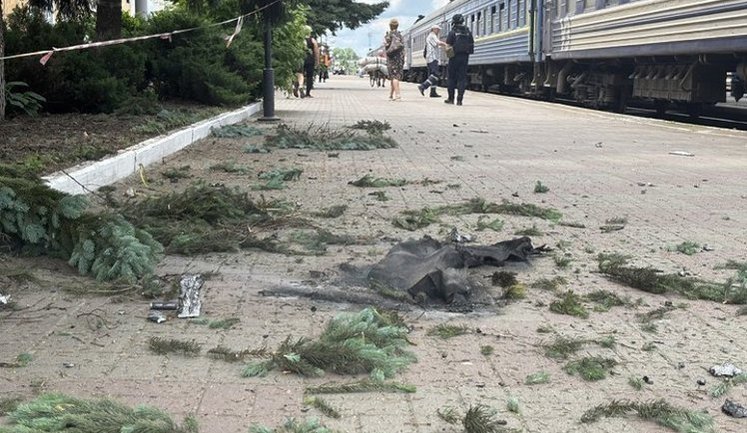
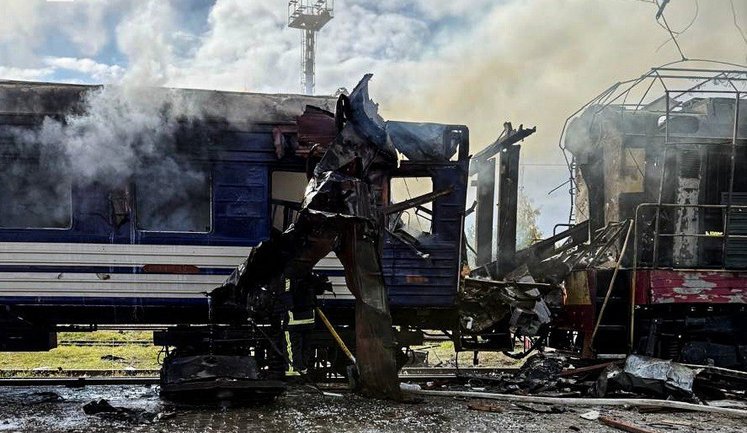
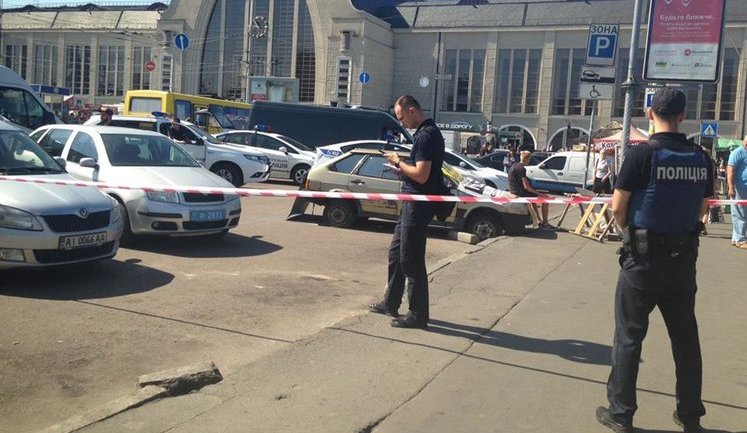
Amidst increasing tensions, railway stations in Ukraine have become frequent targets of attacks. Recent incidents include a strike on Kyiv’s main station, with Ukrzaliznytsia addressing rumors of further threats. In Shostka, a drone attack resulted in the tragic loss of one life and injuries to many others. Similarly, stations in Sumy and Kherson have been repeatedly targeted, causing significant infrastructure damage and civilian casualties. The ongoing conflict poses severe risks to railway operations, affecting both citizens and logistics. Ukrzaliznytsia continues efforts to ensure safety and maintain services amidst these challenges.
What recent events have occurred at railway stations in Ukraine?
Recent events at railway stations in Ukraine include various strikes and attacks, notably by Russian forces. These have resulted in casualties among civilians and damages to crucial infrastructure, particularly in cities like Kyiv, Shostka, Sumy, and Kherson, with ongoing efforts for recovery and safety enhancements.
How has Ukrzaliznytsia responded to railway station attacks?
Ukrzaliznytsia has been proactive in addressing threats and attacks on railway stations by enhancing security measures, confirming and dispelling rumors, and ensuring public safety. They have also been involved in logistical planning to resume operations swiftly following incidents.
What is the impact of railway station strikes on civilian safety?
Strikes on railway stations significantly impact civilian safety by causing direct harm through physical attacks, generating fear and uncertainty, and disrupting essential transportation services. This exacerbates challenges faced by communities relying on railway services daily.
What security measures are in place at Ukrainian railway stations?
Ukrainian railway stations have implemented security measures such as installing metal detectors, increasing surveillance, and deploying additional security personnel. These efforts aim to prevent future attacks and ensure a safer environment for passengers and staff.
How do these railway station events affect international perceptions of the conflict in Ukraine?
These events highlight the ongoing challenges and tensions within Ukraine, drawing international attention to the persistent threat of aggression and the impact on civilian infrastructure. They underscore the need for increased global awareness and support in resolving the conflict.