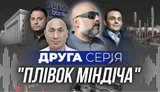
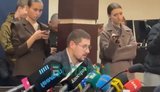
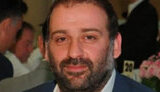
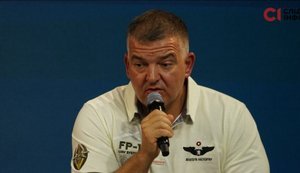
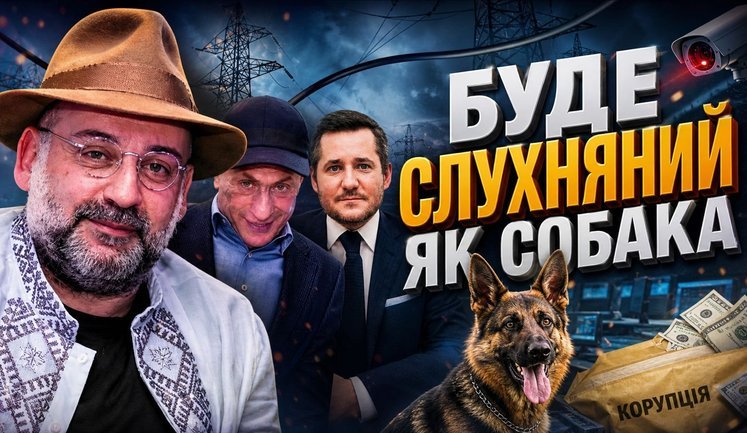
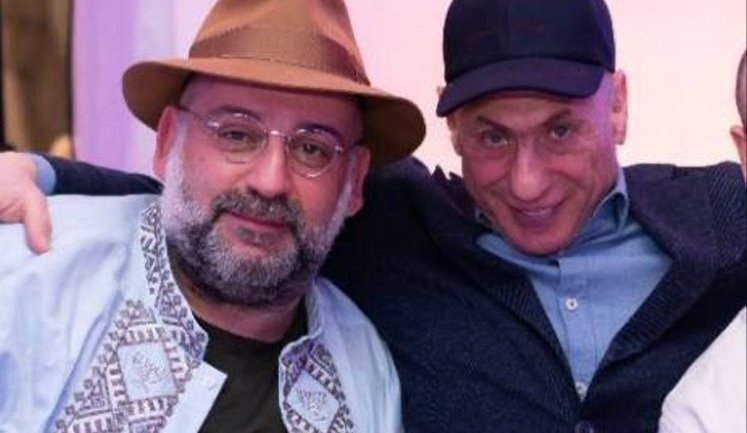
Oleksandr Tsukerman, a key figure implicated in the Mindichgate scandal, finds himself at the center of attention as the National Anti-Corruption Bureau of Ukraine (NABU) intensifies its investigation. Accusations fly with tapes revealing conversations about Energoatom corruption schemes. Tsukerman and his associates like Tymur Mindich have been found in Israel, complicating legal actions due to their citizenship. Despite denials of wrongdoing, evidence continues to surface, linking them to money laundering and influential ties within the Ukrainian energy sector. As demands for accountability rise, NABU pursues measures including possible Interpol involvement.
What is the role of Oleksandr Tsukerman in the Mindichgate scandal?
Oleksandr Tsukerman is deeply involved in the Mindichgate scandal, facing allegations by the NABU of being part of corruption schemes in Ukraine's energy sector. His conversations with other implicated figures and influence over Energoatom sales highlight his pivotal role.
How do the Mindich tapes affect Tsukerman's legal standing?
The Mindich tapes, which reveal incriminating conversations and activities by Oleksandr Tsukerman, serve as significant evidence in the NABU's investigation. They expose discussions on corruption and may strengthen the case against Tsukerman regarding energy sector crimes.
Why are Oleksandr Tsukerman's citizenship issues complicating legal actions?
Oleksandr Tsukerman holds Israeli citizenship, which complicates extradition efforts by Ukrainian authorities. This dual citizenship allows him to use international legal systems to challenge attempts to bring him to justice in Ukraine, despite the NABU's push for accountability.
What measures are NABU considering against Tsukerman?
The NABU is considering various legal actions against Oleksandr Tsukerman, including issuing notices of suspicion, lobbying for sanctions, and potentially involving Interpol to list him internationally due to his alleged role in corruption and money laundering cases linked to Mindichgate.
How does the NABU aim to prove Tsukerman's involvement in energy sector corruption?
The NABU focuses on audio evidence from the Mindich tapes, witness testimonies, and financial records to substantiate claims against Oleksandr Tsukerman. The bureau alleges he participated in schemes that manipulated electricity sales and engaged in significant money laundering activities.