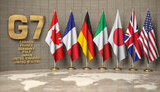
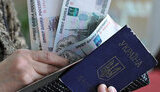
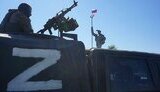
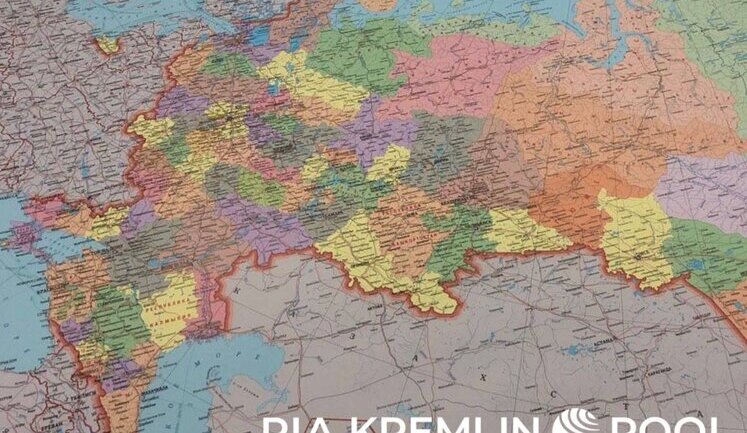
The annexation of Ukrainian territories by Russia has prompted significant international response, with major world powers rejecting such aggressive moves. The US Congress recently introduced a resolution to not recognize this annexation, emphasizing that "borders cannot be redrawn by force." The G7 nations reiterated their unwavering support for Ukraine's territorial integrity. European bodies, including the EU and others like Turkey and Georgia, have continuously refused to acknowledge the legality of Russia's actions, marking a united front against the annexation. The UN and other international organizations urge increased support for Ukraine, highlighting this crisis's impact on global stability. With the world watching, Russia's actions in Ukraine continue to face widespread condemnation and political repercussions.
What is the international community's view on Russia's annexation of Ukrainian territories?
The international community, including countries like the United States, members of the G7, and the European Union, largely condemns Russia's annexation of Ukrainian territories. They emphasize the importance of Ukraine's sovereignty and territorial integrity, refusing to recognize any actions altering borders by force. These global entities continue to call for diplomatic solutions and are advocating for increased support to Ukraine.
How has the US Congress responded to Russia's annexation of Ukraine?
The US Congress has introduced a draft resolution that firmly opposes the recognition of Russia's annexation of Ukrainian territories. This bipartisan move underscores the US's commitment to uphold international law and support Ukraine in maintaining its sovereignty, signaling significant political backing against Russia's actions.
What roles do other nations play in addressing Russia's territorial claims in Ukraine?
Countries such as Turkey, Georgia, and Denmark actively oppose Russia's territorial claims in Ukraine. They reiterate their support for Ukraine's sovereignty and participate in international efforts to counter Russia’s annexation moves. These nations join larger consortiums like the EU in condemning the actions publicly and diplomatically.
Why is the annexation of Ukrainian territories by Russia concerning globally?
The annexation of Ukrainian territories by Russia poses a significant threat to international law and stability. It reflects a breach of the post-World War II international order which rejects territorial changes achieved by force. The global reaction focuses on preventing a precedent where such actions could undermine peace and lead to further geopolitical conflicts.
What measures is the European Union taking against Russia's annexation attempts?
The European Union remains steadfast in its opposition to Russia's annexation attempts of Ukrainian territories, adopting a range of diplomatic and economic measures to deter further aggression. These include sanctions against Russia, advocating for military support to Ukraine, and strengthening diplomatic ties to maintain pressure on Moscow. The EU's actions reflect a larger strategy to uphold international norms and support member states vulnerable to similar threats.