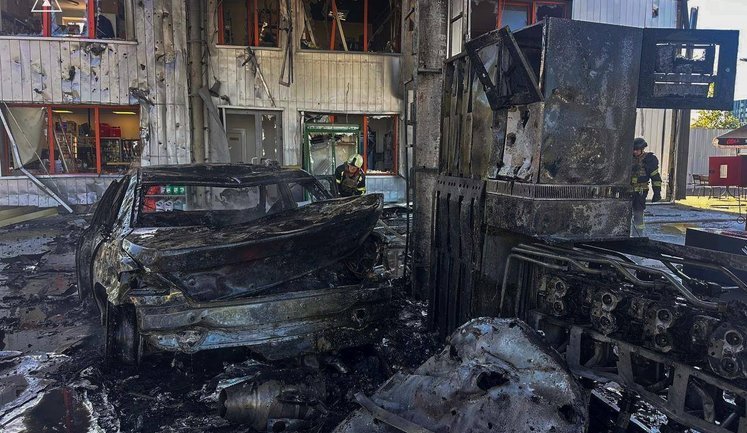
Russia is grappling with an acute fuel shortage, resulting in long queues at petrol stations, frequent fights among frustrated drivers, and restricted fuel supplies. The crisis is exacerbated by Ukrainian strikes on oil refineries, leading to a significant reduction in fuel availability across 53 regions. The situation has sparked public discontent, with reports of altercations and even violence at gas stations. Russian officials, including the Energy Minister, acknowledge the shortage, but solutions remain elusive as fuel is redirected to Moscow, leaving regional areas in dire straits. This widespread shortage is impacting everyday life significantly, prompting citizens to seek alternative means of transportation.
What is causing the current fuel shortage in Russia?
The fuel shortage in Russia is primarily due to Ukrainian strikes on oil refineries, disrupting supply chains. The closure of major roads and increased demand have further strained fuel availability, leading to significant supply constraints in numerous regions.
How are Russian citizens coping with the petrol shortage?
Amidst the petrol shortage, many Russians are dealing with long waiting times at gas stations. Some have resorted to alternative transportation methods, such as bicycles or even horses, while others face daily struggles to obtain limited fuel supplies.
Has the Russian government addressed the fuel shortage issue?
The Russian government has attempted to address the issue by directing available fuel supplies to major urban areas like Moscow. However, regional areas continue to suffer from severe shortages, exacerbated by export restrictions and local disputes over shortages.
Are there any alternatives to mitigate the fuel crisis in Russia?
Potential alternatives to mitigate the fuel crisis include increasing domestic oil production, seeking additional fuel imports, and promoting efficient transportation methods. However, logistical and political challenges hinder rapid implementation of these solutions.
What impact is the fuel shortage having on the Russian economy?
The fuel shortage is affecting the Russian economy by inflating transportation costs, disrupting supply chains, and impeding agricultural harvesting operations. The reduced fuel availability is also causing unrest among citizens, potentially impacting businesses reliant on steady fuel supplies.
How has the fuel crisis affected transportation in Russia?
The fuel crisis has led to significant transportation disruptions, including long queues at petrol stations, limited public transport services, and increased reliance on alternative transportation methods. These issues are causing delays and unrest in various sectors reliant on regular fuel access.