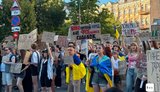
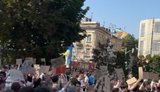
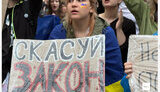
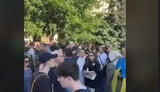
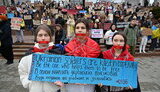
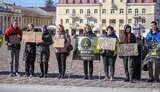
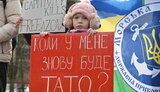
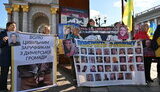
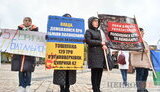
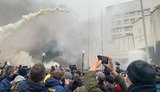
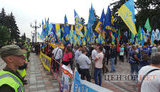
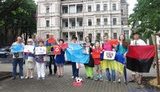
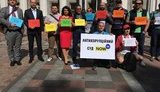
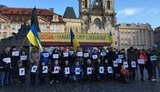
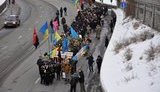
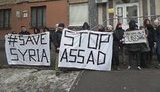
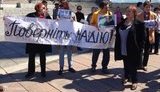
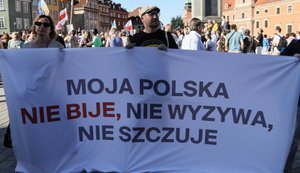
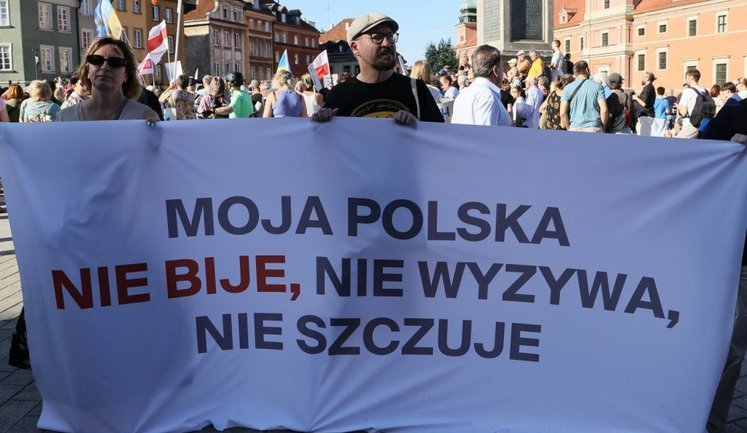
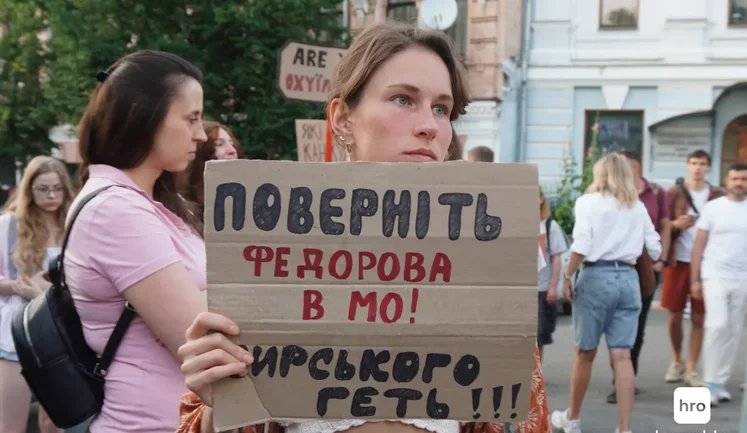
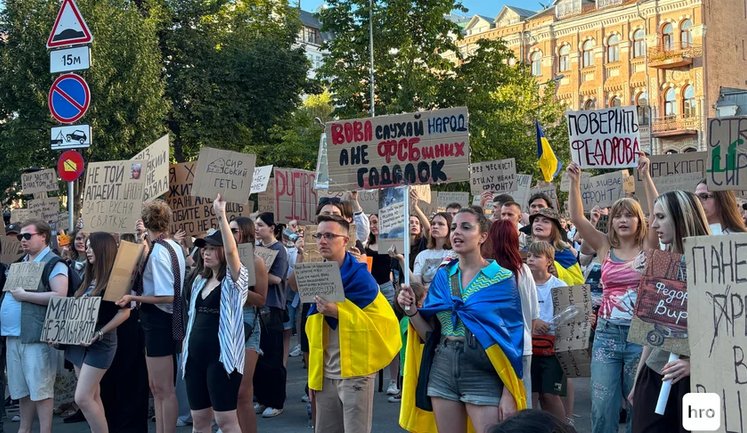
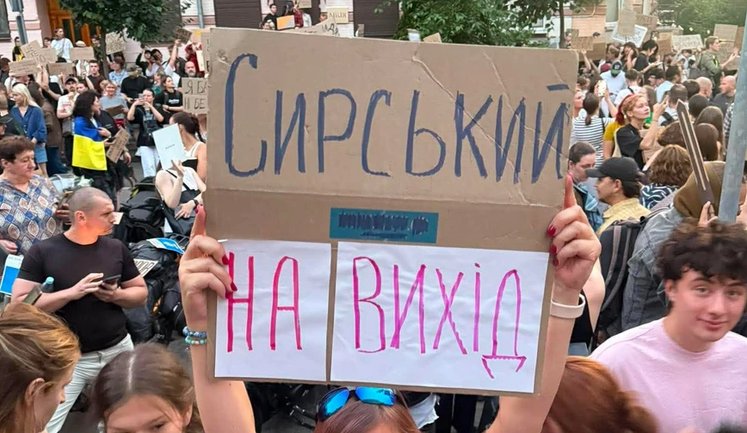
Events in Ukraine and nearby regions have seen escalating protests this year. Demonstrations took place in 22 Polish cities on August 9th over violence against Ukrainians, emphasizing non-indifference to such acts. Meanwhile, multiple rallies in Ukraine, particularly in Kyiv and Lviv, call for Mykhailo Fedorov‘s reinstatement as Minister of Defence and the removal of Oleksandr Syrskyi from the Armed Forces leader role. This societal unrest underlines a strong public sentiment and its significant role in politics. Key protests in support of Fedorov gathered thousands, emphasizing the population's influence on defense policies.
What were the main themes of the recent protests in Poland and Ukraine?
In Poland, demonstrations focused on countering violence against Ukrainians, with slogans urging non-indifference. In Ukraine, protests primarily demanded the reinstatement of Mykhailo Fedorov as Defence Minister and the dismissal of Armed Forces leader Oleksandr Syrskyi, reflecting significant national political pressures.
Why are protesters in Ukraine demanding Mykhailo Fedorov's return?
Protesters advocate for Mykhailo Fedorov’s return due to dissatisfaction with his dismissal and a belief in his effective leadership. They also demand the removal of Oleksandr Syrskyi, showing broad discontent with current military leadership and the defense strategy prevailing in Ukraine.
How have Ukrainian cities apart from Kyiv reacted to the protests concerning the Defence Ministry?
Cities like Lviv and others have shown solidarity by holding rallies supporting Mykhailo Fedorov‘s reinstatement. Participants echoed calls for changes in the military administration, reflecting a widespread concern among Ukrainians about leadership decisions impacting national security.
What impact are these protests expected to have on Ukrainian politics?
The protests highlight public discontent, potentially influencing political leadership decisions and defense policies in Ukraine. Such widespread civic actions challenge existing government strategies and may prompt reconsideration of military appointments and policies by Ukrainian authorities.
Have there been international reactions to the violence against Ukrainians in Poland?
While specific international reactions weren't detailed, the significant scale of the protests across 22 cities in Poland suggests heightened awareness and concern, potentially prompting Polish and international authorities to address xenophobia and improve the safety of Ukrainians abroad.
What are the slogans used in the protests supporting Mykhailo Fedorov?
Typical slogans included calls for Mykhailo Fedorov's reinstatement and the removal of Oleksandr Syrskyi. The protests reflect a dissatisfaction with current military leadership and demonstrate the public's active role in advocating for defense policy changes that resonate with their views on national security.