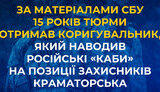
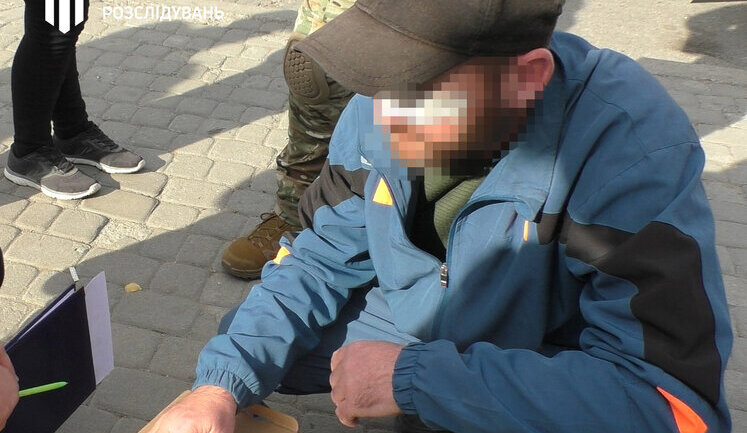
The surge of high treason activities in Ukraine has resulted in numerous individuals receiving 15-year sentences. Among those convicted are Russian and Belarusian agents, as well as collaborators who aided enemy forces during the ongoing conflict. These verdicts, enforced by the Security Service of Ukraine (SSU) and local courts, often include the confiscation of property. Convicted individuals have been involved in various espionage and sabotage operations across the country, targeting key defense and military positions. The SSU continues to thwart these threats, ensuring national security is upheld by dismantling espionage networks and prosecuting those guilty of high treason. This collective effort aims to reinforce the nation's sovereignty and deter future threats.
What are the typical punishments for high treason in Ukraine?
In Ukraine, those found guilty of high treason can face long-term imprisonment. Recent cases have consistently resulted in 15-year sentences with property confiscation for acts such as espionage and collaboration with enemy forces. These harsh penalties underscore the serious nature of betraying national interests and compromising security.
How does the Ukrainian government identify and prosecute agents of foreign intelligence services?
The Ukrainian government's identification of foreign intelligence agents involves meticulous counterintelligence efforts led by the Security Service of Ukraine (SSU). Gathering concrete evidence, conducting comprehensive surveillance, and collaborating with law enforcement agencies are key to prosecuting these agents and securing convictions in court.
Is espionage a common threat to Ukraine’s national security?
Yes, espionage is a significant threat to Ukraine's national security, especially during times of heightened military conflict. Measures are continuously enhanced to counteract this threat, and the SSU remains vigilant, actively working to uncover and dismantle espionage networks operating within Ukraine's borders.
How does the SSU ensure effective countermeasures against espionage?
Effective countermeasures against espionage are maintained through rigorous training, advanced intelligence technologies, and close cooperation with international security agencies. The SSU prioritizes proactive strategies to predict, identify, and neutralize espionage attempts, ensuring national security remains intact despite ongoing challenges.
Have there been any recent high-profile cases of high treason in Ukraine?
Recent high-profile cases in Ukraine have included sentences for FSB and GRU agents, as well as individuals collaborating with enemy forces, such as directing airstrikes and sabotaging defense operations. These activities highlight the critical need for continuous vigilance and effective legal repercussions to serve as a deterrent.
What legal jurisdictions handle treason cases in Ukraine?
Legal jurisdictions handling treason cases in Ukraine include district courts within regions affected by the espionage activities. The SSU plays a pivotal role in case development, gathering evidence, and collaborating with the judiciary to ensure swift and just legal proceedings against those accused of treason and espionage.
What role does confiscation of property play in sentences for high treason?
Confiscation of property serves as an additional punitive measure and deterrent in sentences for high treason in Ukraine. It underscores the severity of the crime, ensures no gain remains for traitors, and highlights the government's commitment to preventing others from engaging in acts against national security interests.