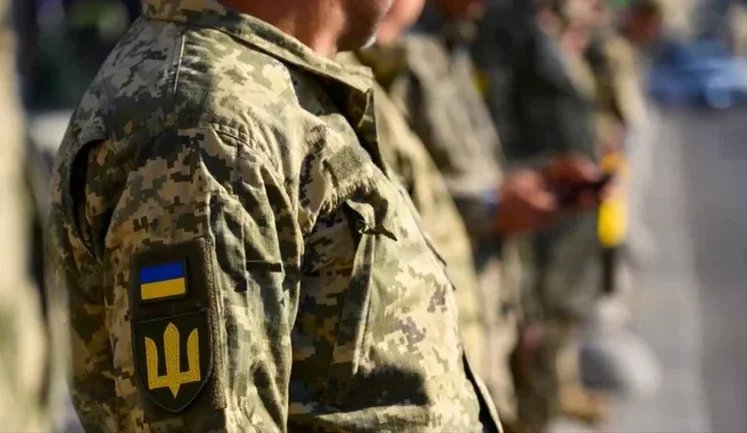
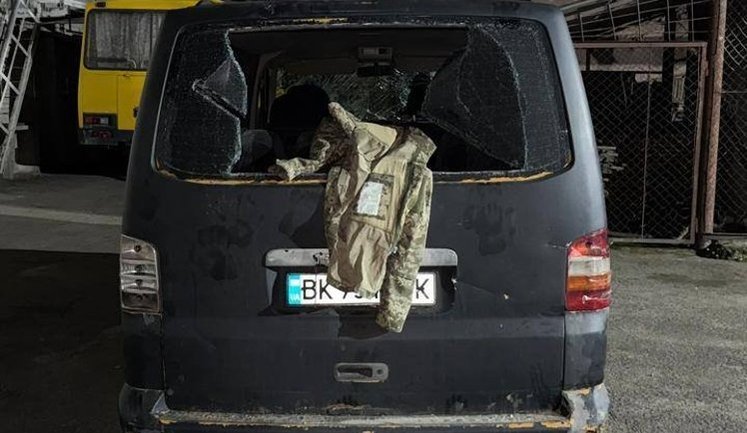
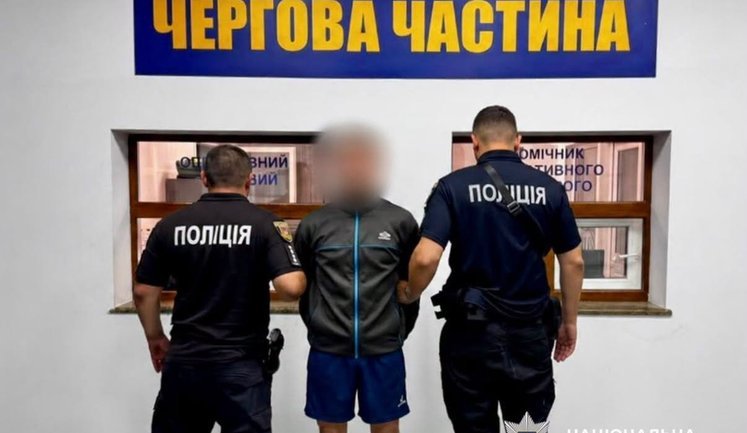
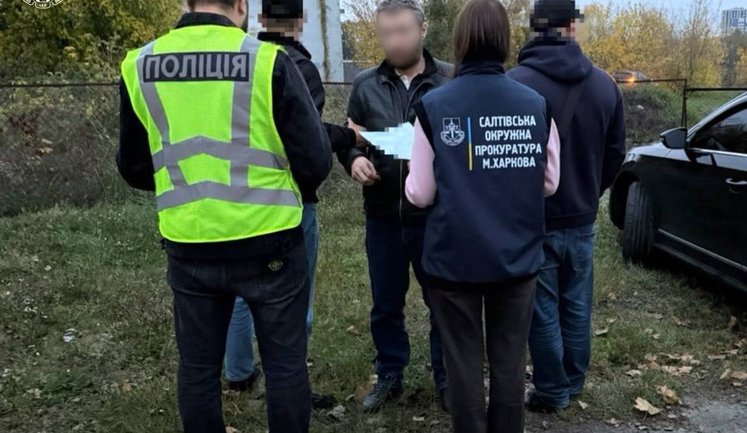
The alarming trend of attacks against the Territorial Center of Recruitment (TCR) personnel in Ukraine has seen an uptick with incidents occurring in various regions including Odesa, Lviv, and Vinnytsia. This disturbing pattern of violence, as reported, involves incidents ranging from stone-pelting and physical assaults to even stabbings and shootings. The August 22 incident in Lviv, where 55-year-old Junior Sergeant Oleksandr Bodnar was tragically killed, highlights the severe strain on the TCR and Social Support teams conducting essential recruitment and mobilization tasks. These acts not only endanger lives but also disrupt the crucial processes of military enlistment and mobilization in a time of national defense needs. The government and military bodies continue to call for stronger legal actions and community support to curtail these violent acts.
What has been the response to rising attacks on TCR personnel?
The Ukrainian government, including President Zelenskyy, has condemned the attacks, emphasizing the need for stringent legal measures against offenders. Pre-trial investigations are actively being conducted by the National Police and Security Service to bring perpetrators to justice. Efforts also focus on enhancing the security and operational procedures of TCR personnel to prevent future incidents.
Are there any proposed solutions to address these attacks?
Yes, the Ministry of Defense has acknowledged the need for improved mobilization methods to reduce conflicts. Discussions are underway to review and adjust recruitment protocols, ensuring they are less confrontational while maintaining national security goals. Enhanced community engagement and awareness campaigns are also considered important to gain public support and reduce tensions.
How have these attacks affected recruitment processes in Ukraine?
The frequent attacks on TCR personnel have significantly disrupted recruitment activities, causing delays and safety concerns for those involved in mobilization efforts. These incidents force armed forces to allocate additional resources to protection and risk assessment rather than focusing solely on recruitment.
What incidents have been most severe in the recent trend of attacks?
Several grave incidents have been reported, including the fatal stabbing of Junior Sergeant Oleksandr Bodnar in Lviv and the injuring of multiple servicemen in Odesa and Vinnytsia. In each case, the attackers employed weapons, leading to serious injuries and fatalities, highlighting the escalating violence faced by TCR personnel.
Has there been any accountability for those who attack TCR soldiers?
While some attackers have been detained and are facing legal actions, accountability remains a top concern. Ukrainian authorities have successfully arrested perpetrators in several cases, ensuring they face trial and potential imprisonment, as seen in recent court rulings. However, efforts are ongoing to identify and prosecute all involved in such violent acts.
What impact does the violence have on community relations with TCR units?
The violence against TCR personnel has strained relations between military units and communities. In areas like Lviv and Odesa, attacks have created a climate of fear and mistrust, complicating recruitment drives. Therefore, it is crucial to foster dialogue and understanding to mitigate tensions and gain community cooperation in national defense efforts.
What preventive measures are being considered to protect TCR personnel?
Preventive measures include enhancing security protocols during mobilization operations and increasing the presence of law enforcement to protect TCR units. Strategies also involve improving communication channels with local communities to prevent misunderstandings and reduce hostile interactions during recruitment activities.