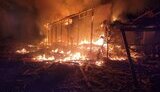
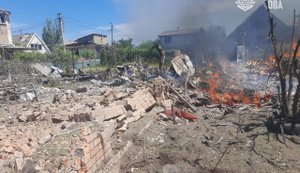
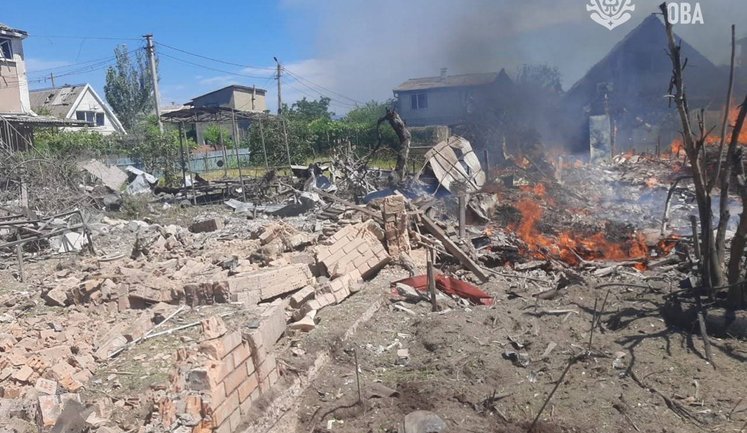
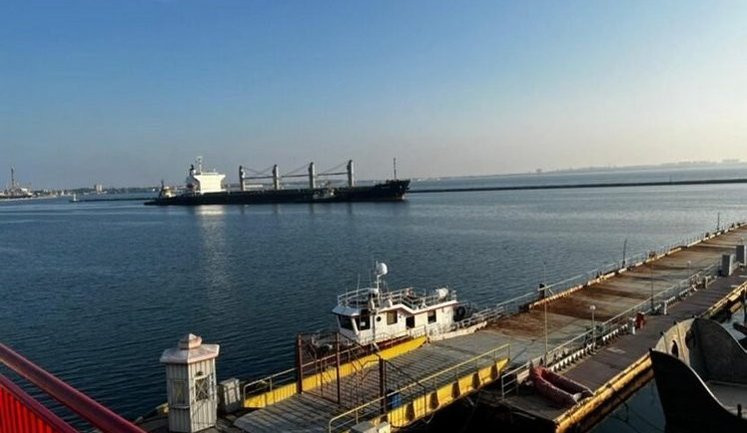
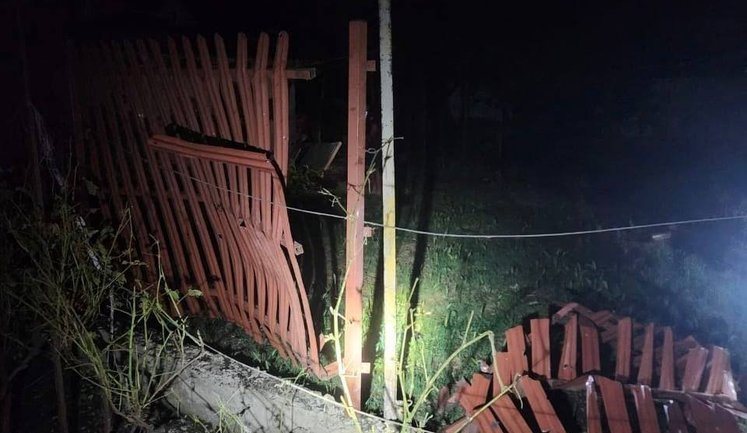
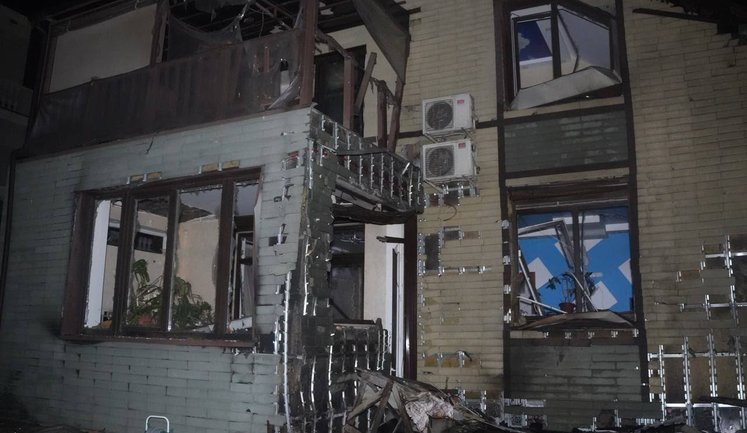
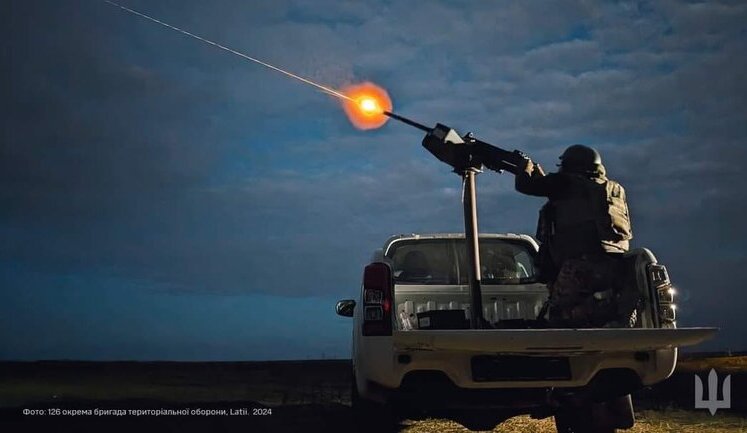
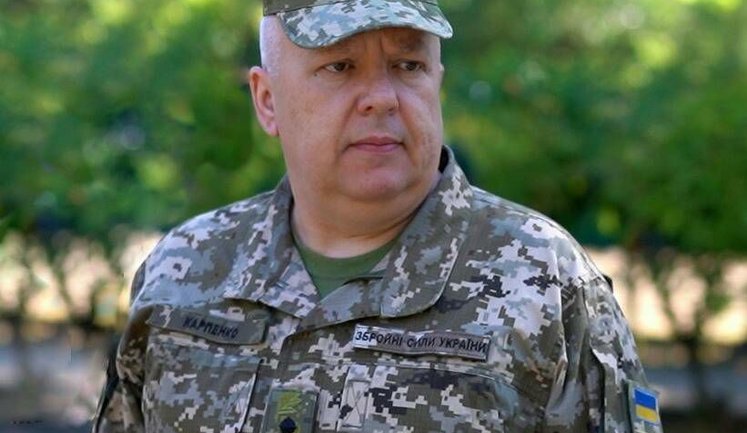
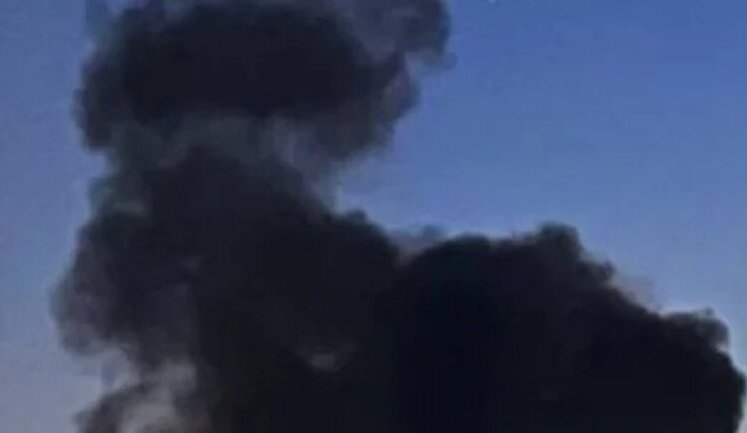
The Odesa region in Ukraine continues to suffer from frequent shelling by Russian drones, causing extensive damage to infrastructure. Ports, warehouses, and energy facilities have been targeted repeatedly, leading to critical damage and power disruptions. Civilian casualties are rising, with several injuries and tragic loss of life. The intensity of these attacks emphasizes the ongoing impact of the conflict, disrupting daily life and economic activities. Russian forces employ record numbers of Shahed drones in these assaults. Local authorities are working tirelessly to repair infrastructure and restore essential services to affected areas.
What are the main targets of the Russian attacks on Odesa?
The main targets of the Russian attacks on the Odesa region include ports, energy infrastructure, transport facilities, and residential buildings. These strikes aim to disrupt the region’s economic stability by damaging critical infrastructure and supply routes. The repeated attacks have caused power outages and damaged key facilities essential for civilian and commercial activities.
How have the attacks affected the civilian population in Odesa?
The attacks have resulted in numerous civilian casualties, including injuries and fatalities. Residents face power outages, disruption of transportation, and damage to homes and local businesses. The constant threat of aerial strikes has created an atmosphere of fear and uncertainty among the population, affecting their daily lives and access to basic services.
What efforts are being made to address the aftermath of these attacks?
Local authorities and emergency services are actively working to manage the aftermath of the attacks by conducting repairs and restoring essential services like electricity and water supply. Humanitarian aid is being provided to those affected, and security measures have been intensified to protect vulnerable infrastructure and communities.
Which types of drones are primarily used in these strikes?
The Russian forces have been using a significant number of Shahed drones for their attacks on Odesa. These drones are employed to carry out precision strikes on both military and civilian infrastructure, increasing the efficiency and reach of the attacks. Their usage signifies the strategic approach to targeting vital areas within the region.
How has the international community responded to the shelling of Odesa?
The international community has strongly condemned the shelling of Odesa, emphasizing the need for diplomatic solutions to de-escalate the conflict. Humanitarian organizations are mobilizing resources to assist those affected, and ongoing discussions focus on sanctions and political measures to encourage an end to hostilities.