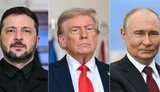
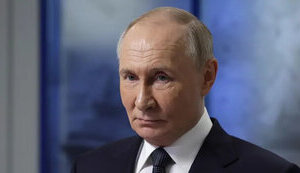
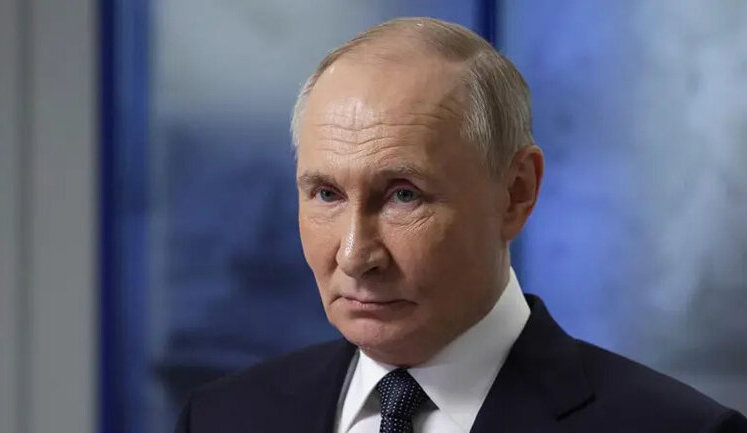
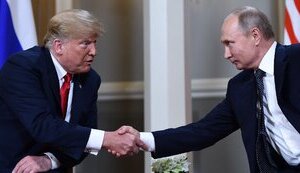
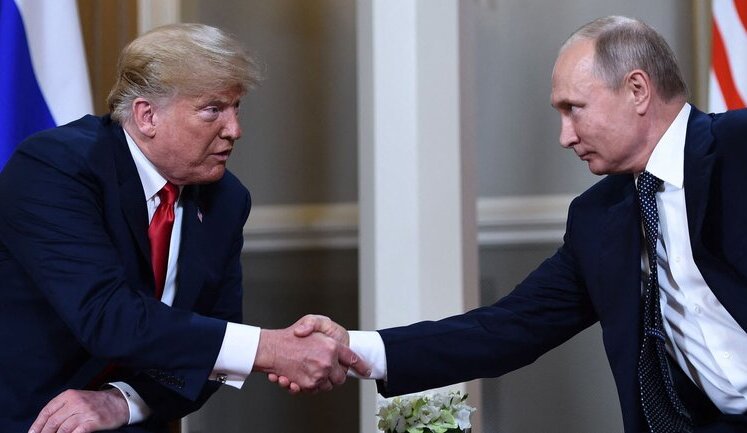
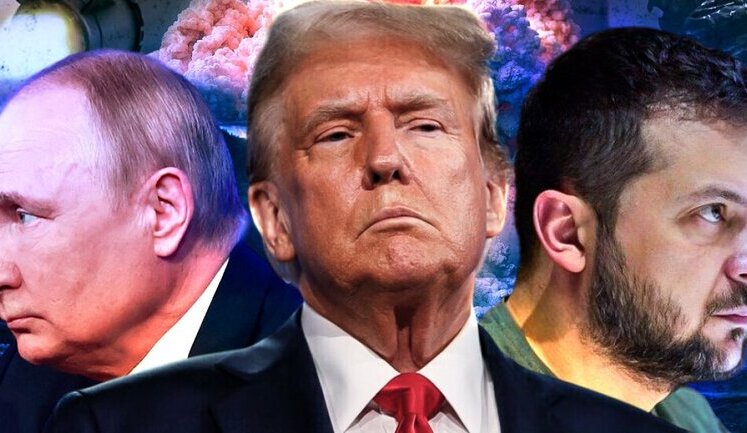
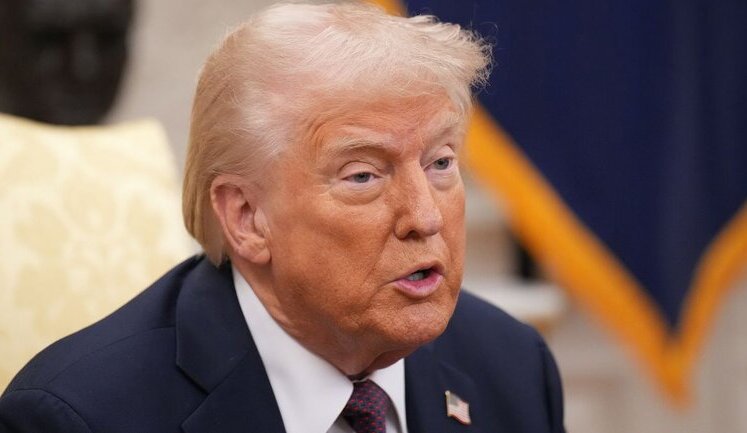
The possibility of a ground-breaking meeting between US President Donald Trump, Ukrainian President Volodymyr Zelenskyy, and Russian dictator Vladimir Putin has generated significant interest. The potential trilateral summit is causing ripples across international diplomacy, with key focus areas being the war in Ukraine and the role of each leader in fostering peace. President Zelenskyy has emphasized that any deals must respect Ukraine's sovereignty, while President Trump has expressed his ambition to mediate a meeting that could foster peace. However, challenges persist, with Russia suggesting alternative, lower-level talks and certain conditions. There is speculation about venues, with Europe and the Middle East as potential locations. The meeting's success hinges on reconciling Ukraine and Russia's positions, making the involvement of global leaders crucial for any positive developments.
What are the main objectives of the Trump, Zelenskyy, and Putin meeting?
The main objectives of a potential meeting between Trump, Zelenskyy, and Putin are to find a diplomatic resolution to the ongoing conflict in Ukraine and to establish frameworks for peace talks. President Trump is seeking to create a platform where these leaders can come together to discuss and negotiate terms that could lead to a cessation of hostilities and a more stable geopolitical environment, with respect for Ukraine's sovereignty being a central theme.
Why is President Zelenskyy cautious about an agreement done without Ukraine?
President Zelenskyy is cautious about any agreement involving Ukraine that excludes Kyiv's input because this would undermine Ukraine's sovereignty and interests. Zelenskyy insists that any peace deals or negotiations must consider Ukraine's position and demands, ensuring that any outcome respects Ukraine's territorial integrity and independence. His cautious stance is also a response to potential negotiations that might favor other party's interests over Ukraine's critical requirements.
What role does President Trump play in the proposed meeting with Zelenskyy and Putin?
President Trump is taking on the role of a mediator in the proposed trilateral meeting with Zelenskyy and Putin, aiming to facilitate discussions that might lead to a diplomatic solution to the war. Trump's intention is to bring both leaders to the table and to discuss pathways for peace and reconciliation. His involvement is seen as a strategic move to leverage U.S. influence in facilitating potentially game-changing negotiations between Ukraine and Russia.
What has President Putin's response been to the idea of a trilateral meeting?
President Putin has shown a conditional openness to a trilateral meeting with Zelenskyy and Trump. The Russian leader has indicated that while he is amenable to direct, high-level discussions, there must be 'appropriate conditions' for such a meeting to happen. This implies that Russia may have specific requirements or objectives that it wants resolved or assured before committing to any trilateral talks, reflecting both diplomatic caution and strategic interests on Russia's part.
Where might the meeting between Trump, Zelenskyy, and Putin take place?
The potential meeting between Trump, Zelenskyy, and Putin may take place in either Europe or the Middle East. These regions are being considered as neutral grounds that are strategically suitable for high-level diplomatic engagements. Choosing a location for such a significant summit involves consideration of security, neutrality, and accessibility for all involved parties to ensure an environment conducive to productive dialogue and discussion.
What are the implications of a successful Trump, Zelenskyy, and Putin summit?
A successful summit between Trump, Zelenskyy, and Putin could lead to significant geopolitical shifts, potentially ending the ongoing conflict in Ukraine and establishing new diplomatic relations among the involved nations. It could improve political relations and foster economic stability within the region. On a broader scale, such a summit could also underscore the potential for collaborative international diplomacy to resolve conflicts, setting a precedent for future engagements involving multiple world powers.