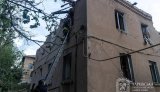
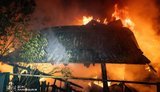
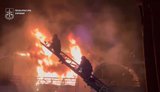
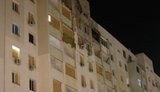
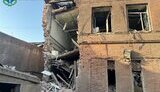
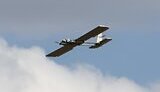
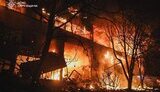
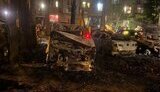
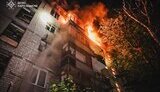
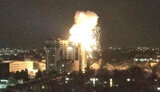
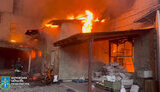
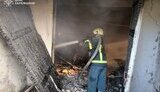
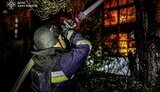
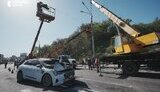
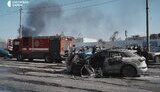
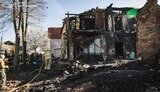
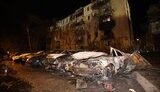
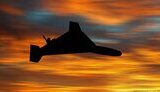
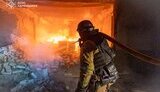
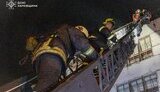
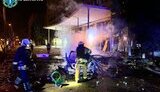
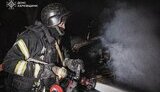
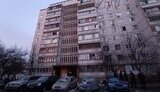
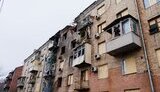
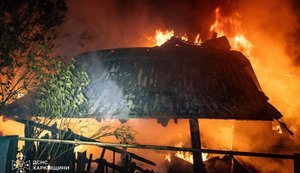
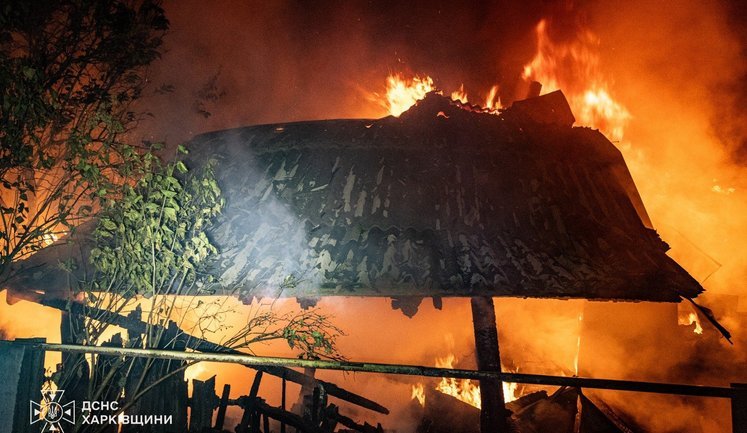
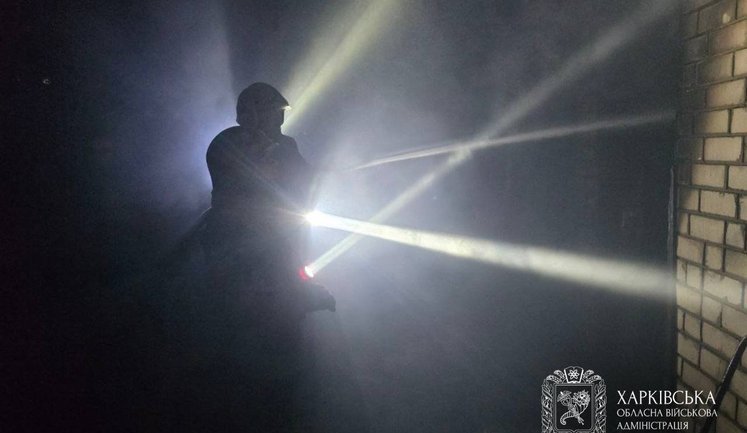
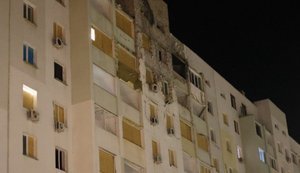
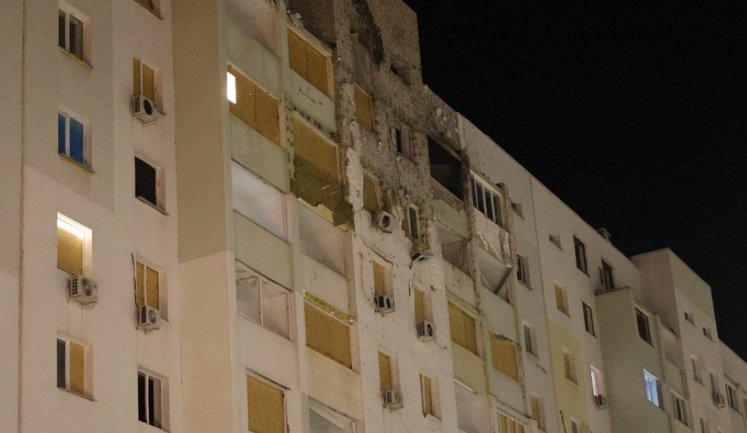
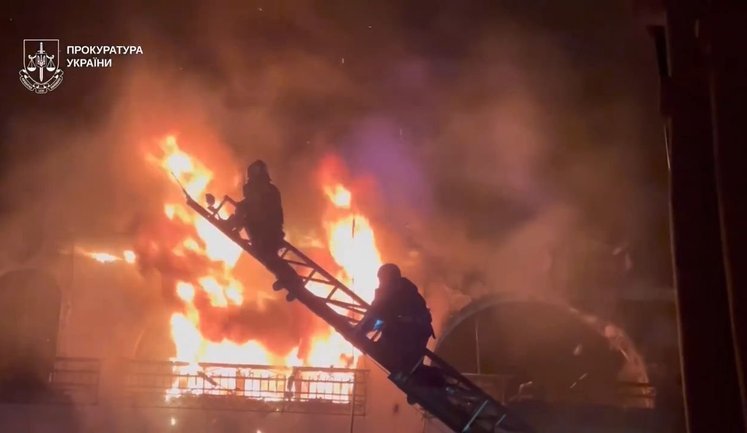
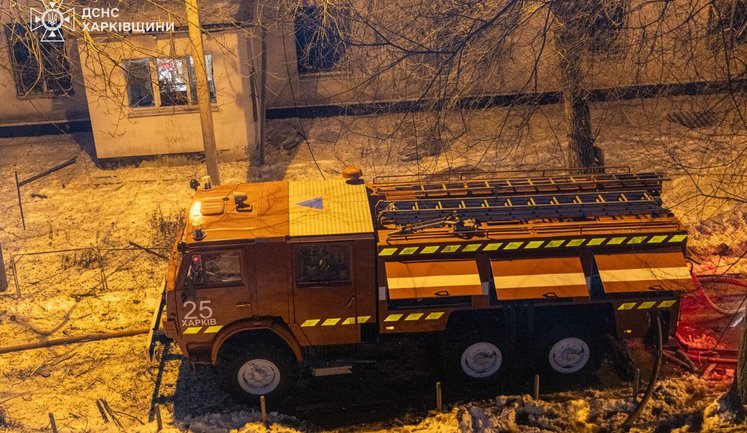
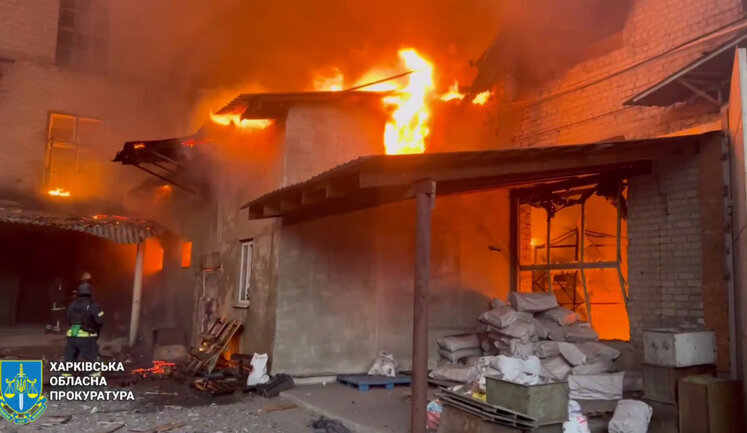
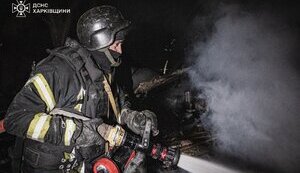
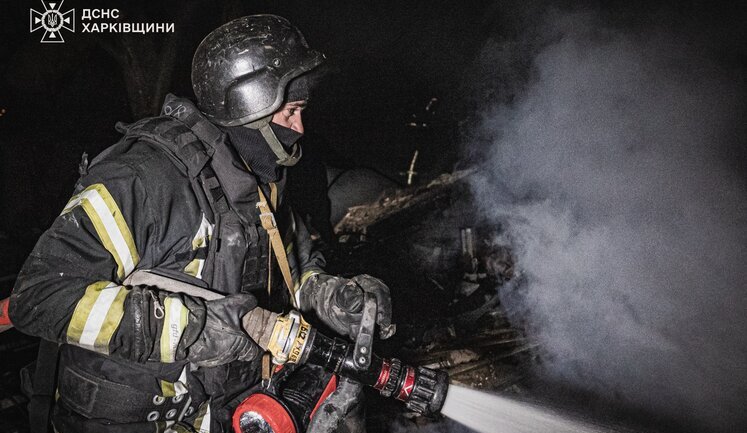
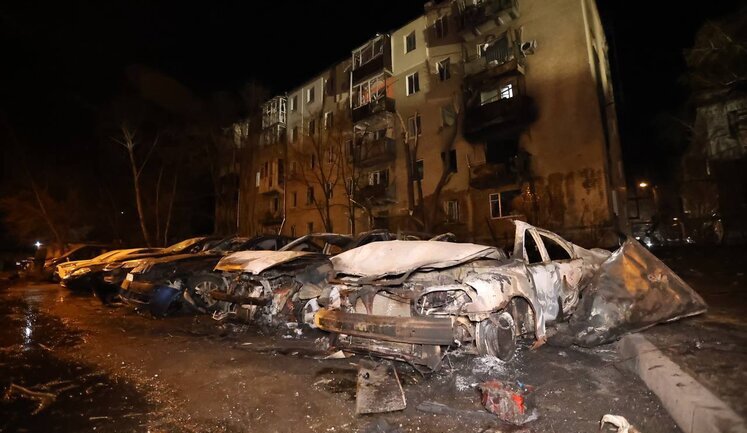
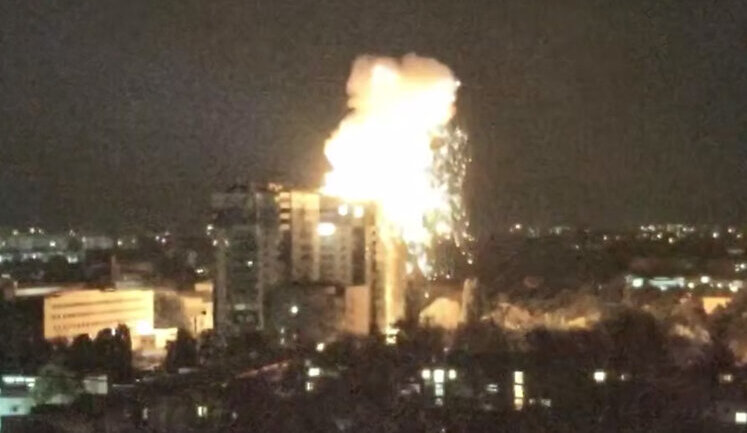
In recent months, the city of Kharkiv has been under constant threat from Russian UAV attacks. Utilizing drones such as Shahed and Molniya, these attacks have caused substantial damage to residential areas, resulting in numerous casualties including children. The most recent incident on March 9th involved multiple strikes that left children injured and high-rise buildings severely damaged. Earlier reports indicate continued assaults, with significant damage to critical infrastructure such as hospitals and residential buildings. The city authorities are urging international communities to intensify pressure on Russia to halt these attacks. Efforts to manage the aftermath, including rescue and medical aid, are ongoing as the city grapples with the impact of these unrelenting drone strikes.
How has the UAV attack affected civilians in Kharkiv?
The repetitive UAV attacks in Kharkiv have severely impacted civilians, resulting in numerous casualties, including the death and injury of men, women, and children. Civilians are frequently caught in the crossfire, facing destruction of their homes, loss of loved ones, and severe disruptions to their daily lives. Emergency services are consistently engaged, providing rescue operations, medical aid, and temporary shelters.
What is the current status of the infrastructure in Kharkiv post-UAV attacks?
The UAV attacks have devastated much of Kharkiv's infrastructure, including the destruction of residential buildings, hospitals, and industrial enterprises. This has interrupted essential services, displaced numerous residents, and complicated the recovery efforts. Restoration and repair work are ongoing, but the continuous threat of attacks poses significant challenges.
What types of UAVs are reportedly used in attacks on Kharkiv?
The attacks on Kharkiv have prominently featured the use of Russian UAVs such as the Shahed and Molniya drones. These unmanned aerial vehicles have been employed to target residential and strategic locations, causing extensive damage and sowing fear among the local population. The precision and frequency of these attacks demonstrate the technological capabilities and tactical intent of the aggressors.
What international actions are being considered or taken in response to UAV attacks on Kharkiv?
In response to the ongoing UAV attacks on Kharkiv, international communities are considering increased economic sanctions and pressure on Russia. Additionally, diplomatic efforts are being made to secure more defensive aid and support for Ukraine. The situation remains under close scrutiny, with calls to intensify actions to deter further aggression and hold the perpetrators accountable for war crimes.
What measures are in place to protect Kharkiv from future UAV attacks?
Kharkiv's defense strategies include enhanced surveillance and improved aerial defense systems to detect and neutralize incoming UAV threats. Local authorities are collaborating with international partners to bolster these defenses, though the ongoing attacks highlight the need for further advancements. Public awareness campaigns are also underway to educate citizens on protective measures during attacks.
What role do emergency services play following UAV attacks in Kharkiv?
Emergency services play a critical role in responding to UAV attacks in Kharkiv. They are responsible for immediate rescue efforts, providing medical care for the injured, and supporting evacuation operations. These first responders work tirelessly to restore order and provide aid to affected civilians, while also coordinating with local and international agencies for additional support and resources.
How are Kharkiv authorities managing the aftermath of UAV attacks?
Authorities in Kharkiv are managing the aftermath of UAV attacks through coordinated disaster response initiatives, involving cleanup operations, infrastructure reconstruction, and humanitarian aid distribution. They are also working closely with national defense forces and international allies to strengthen city defense capabilities and ensure the safety and recovery of its citizens.