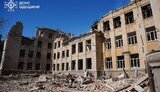
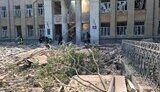
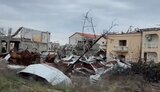
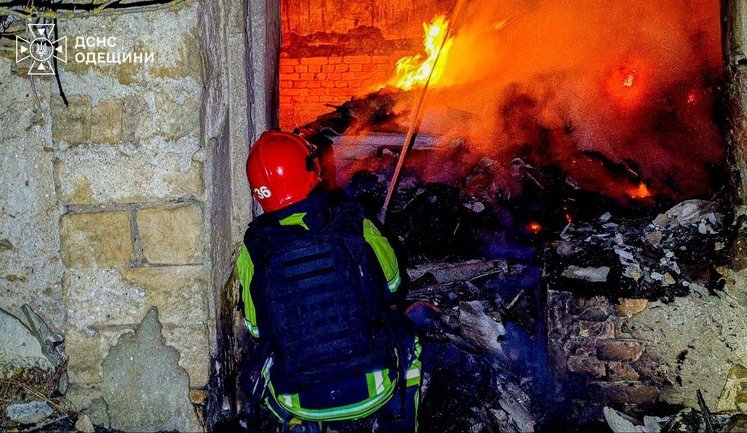
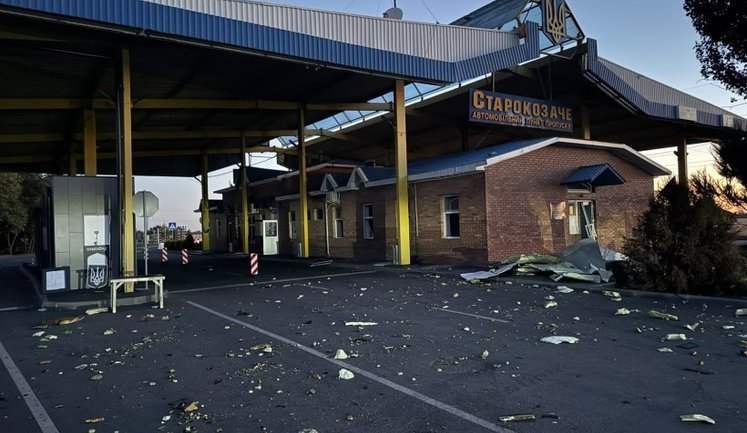
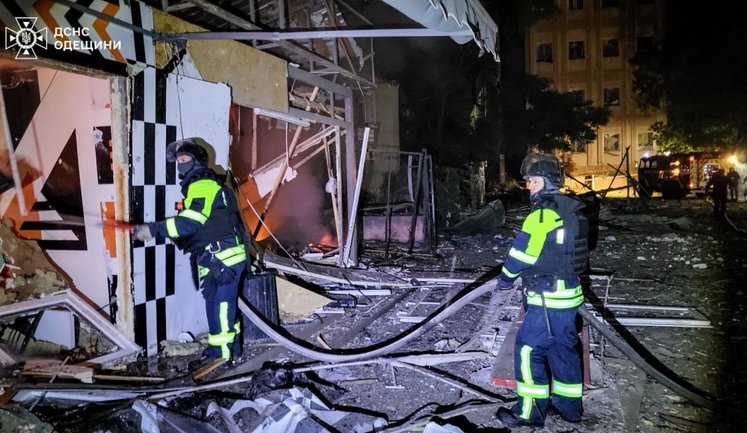
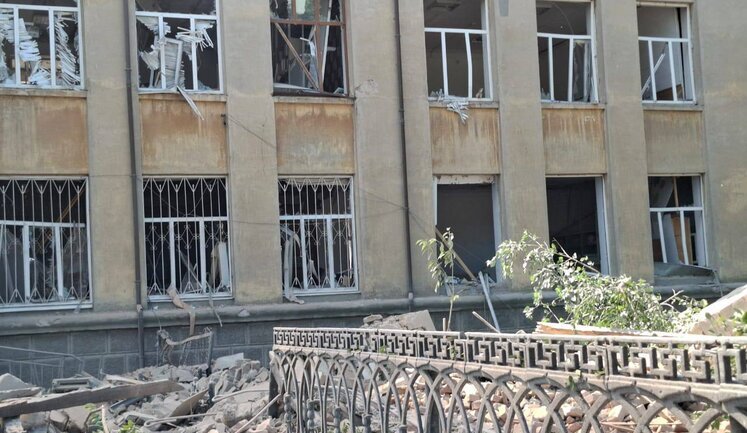
The Bilhorod-Dnistrovskyi district in Odesa region has faced numerous challenges amid ongoing conflict. Russian strikes have damaged key infrastructures such as high-rise buildings, banks, and business premises. Recently, a war veteran was violently attacked, highlighting local safety concerns. Critical facilities, including hospitals and educational institutions, have not been spared in nocturnal assaults, emphasizing the continued pressure on civilian life. The region also grapples with drone incursions targeting essential services like the shoe factory and energy installations, disrupting daily life and leaving several without power. The defensive efforts highlight the resilience and challenges faced by Odesa amid persistent aggression.
What recent damages occurred in Bilhorod-Dnistrovskyi district due to conflict?
The Bilhorod-Dnistrovskyi district witnessed significant damage from Russian strikes, including destruction to high-rise buildings, business premises, healthcare facilities, and educational establishments. The region faces continuous threats to infrastructure amid ongoing hostilities.
How have drone attacks impacted the Odesa region, particularly Bilhorod-Dnistrovskyi?
Drone attacks on the Bilhorod-Dnistrovskyi district have targeted civilian infrastructure, causing widespread disruption. Facilities affected include energy infrastructure and industrial sites like shoe factories, leading to power outages and economic setbacks in the region.
What safety concerns have emerged in the Bilhorod-Dnistrovskyi district recently?
Recent incidents in Bilhorod-Dnistrovskyi, such as the stabbing of a war veteran during civil defence drills, spotlight rising safety concerns. These events reflect the ongoing tension and insecurity affecting both civilian and military personnel in the district.
What are the humanitarian consequences of the conflict in Bilhorod-Dnistrovskyi?
Humanitarian impacts in Bilhorod-Dnistrovskyi include damage to essential services, endangering civilians' access to medical care, education, and safe living conditions. Continuous military strikes exacerbate these difficulties, increasing the burdens on local communities.
What has been the international response to the situation in Bilhorod-Dnistrovskyi?
There has been global condemnation of the attacks on Bilhorod-Dnistrovskyi, urging increased pressure on Russia to cease hostilities. The international community continues to call for diplomatic measures to ensure regional stability and protect civilian lives.
How does the ongoing conflict affect businesses in Bilhorod-Dnistrovskyi district?
Businesses in Bilhorod-Dnistrovskyi face disruptions from military actions, damaging commercial properties and affecting local economies. The instability hampers business operations and threatens economic recovery in this strategically important region of Odesa.
What role do civil defence exercises play in the Bilhorod-Dnistrovskyi district currently?
Civil defence exercises in Bilhorod-Dnistrovskyi are crucial for community safety amid ongoing threats. They help prepare local individuals, improve emergency responses, and increase resilience against frequent military and drone attacks impacting the region.
What are the environmental impacts of the conflict in the Odesa region?
Environmental impacts in the Odesa region include contamination from incidents like the Russian tanker accident, leading to fuel oil polluting coastal waters. Such events exacerbate ecological degradation, impacting marine life and coastal communities alike.