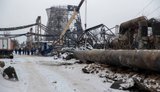
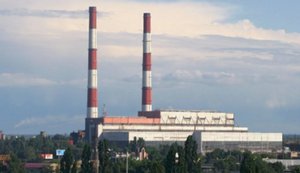
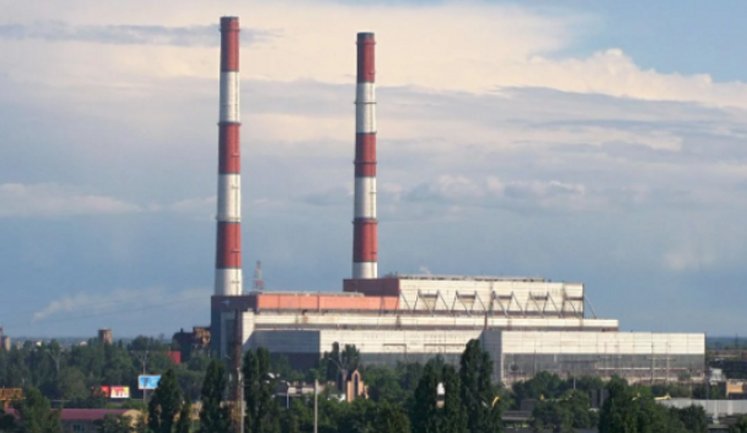
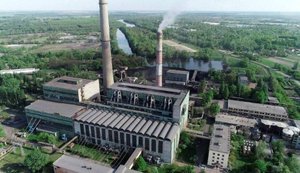
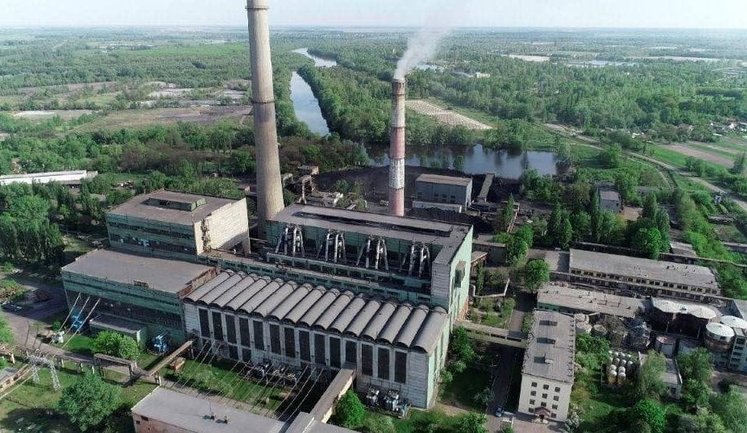
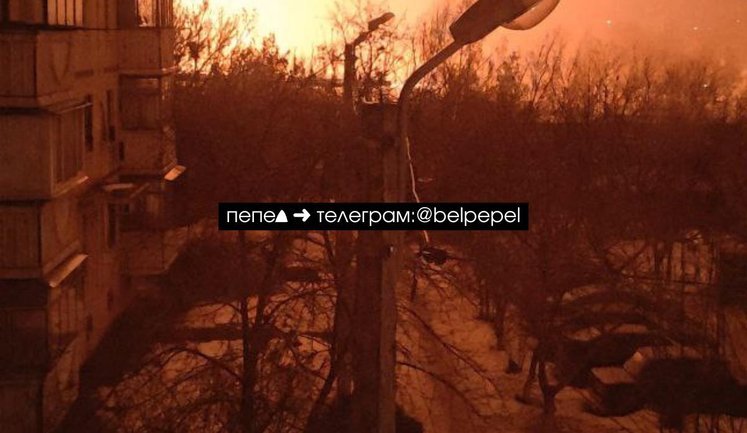
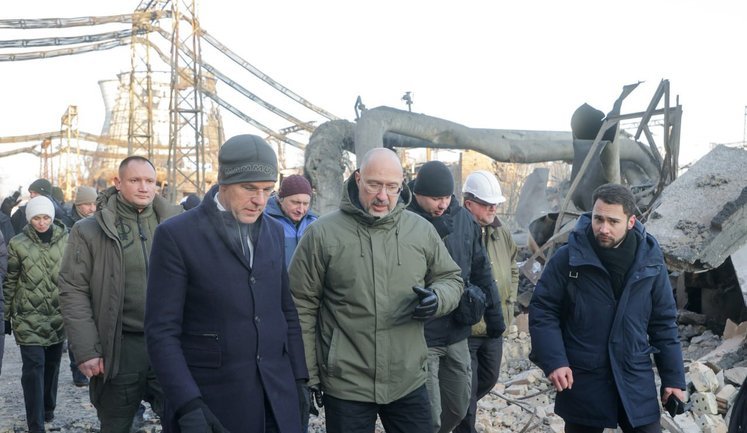
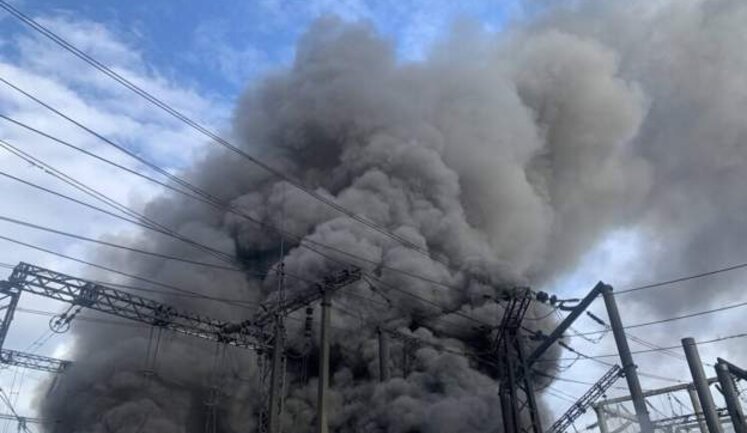
The recent series of attacks on thermal power plants (TPPs) highlight significant vulnerabilities in energy infrastructure amidst ongoing geopolitical tensions between Ukraine and Russia. In Kyiv, a coordinated attack on TPPs was thwarted following the arrest of a Russian-Belarusian agent, yet such events continue to disrupt energy supplies. This period also witnessed drone assaults on Russian TPPs in Orel and Chernihiv regions, causing widespread heating problems. Meanwhile, Ukrainian facilities suffer ongoing strikes, as seen in recent damage to the Kherson and Mykolaiv TPPs. These incidents underline the critical need for enhanced security measures to protect vital energy infrastructures, as TPPs play a crucial role in supplying electricity and heat. The escalating conflict poses serious challenges to regional energy security and demands international attention and cooperation.
What measures are being taken to protect thermal power plants in Kyiv?
The Security Service of Ukraine has heightened its security measures after thwarting an attack involving a Russian-Belarusian agent. Security forces are focusing on intelligence operations to prevent further sabotage and attacks directed towards energy facilities in Kyiv. Additionally, there are ongoing consultations on improving infrastructure resilience against potential threats.
How have recent attacks affected thermal power plants in Russia?
Recent drone attacks on TPPs in Russia, such as those in the cities of Orel and Voronezh, have led to severe disruptions in electricity and heat supply. These attacks highlight significant vulnerabilities in the country's energy infrastructure, prompting concerns about sustainable energy provision and the need to enhance defensive tactics against further incursions.
What impact do these attacks have on the energy security of Ukraine?
Russian strikes on Ukrainian TPPs, particularly in areas like Kherson and Mykolaiv, have severely undermined the country's energy security, causing power outages and heat supply disruptions. This ongoing situation significantly hampers essential services and highlights the importance of the international community's support for Ukraine's energy infrastructure resilience and recovery efforts.
Why are thermal power plants significant targets during geopolitical conflicts?
Thermal power plants are crucial for generating electricity and heat, essential services that directly impact civilian life and economic activities. Targeting TPPs during conflicts aims to destabilize regions, create humanitarian crises, and strain governmental resources. Thus, they become strategic objectives to undermine a nation’s operational capabilities.
How is the international community responding to these energy infrastructure attacks?
The international community is increasingly expressing concern over the targeting of energy infrastructures, emphasizing the need for conflict resolution and enhanced protective measures. Energy-dependent allies are exploring assistance options for affected regions, including technical support, supplies, and strategic discussions to minimize impact and enhance resilience.