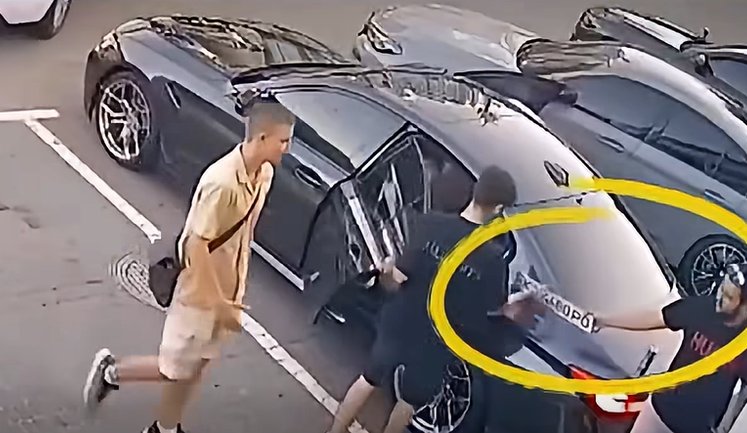
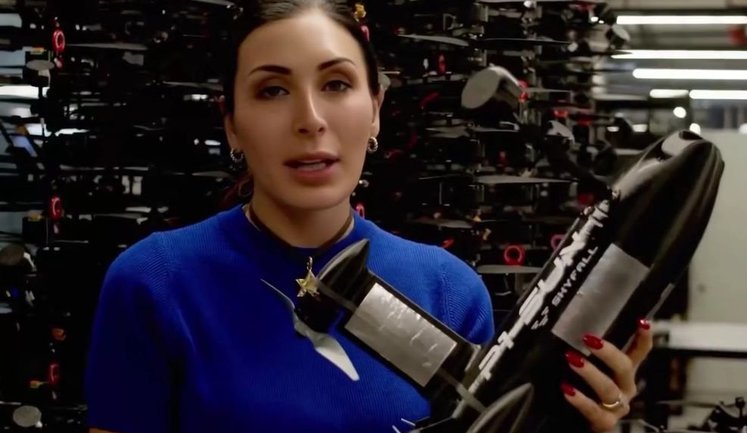
The "Blogger" tag covers a range of news stories highlighting the controversial roles and impacts of bloggers both within Ukraine and internationally. Notable incidents include high-profile social media stars like Oleksandr Mankivskyi, who is notorious for his dangerous driving exploits in Kyiv and sharing them online. The SSU has intensified efforts against bloggers disseminating sensitive military information, leading to multiple arrests. Meanwhile, figures such as Laura Loomer visiting drone factories and facing criticism for her past rhetoric underline bloggers' complex influence. Numerous cases involve bloggers facing serious legal repercussions for fraud, inciting unrest, or aligning with enemy states, underscoring the significant legal and ethical boundaries they often cross.
Are bloggers in Ukraine facing legal actions due to their activities?
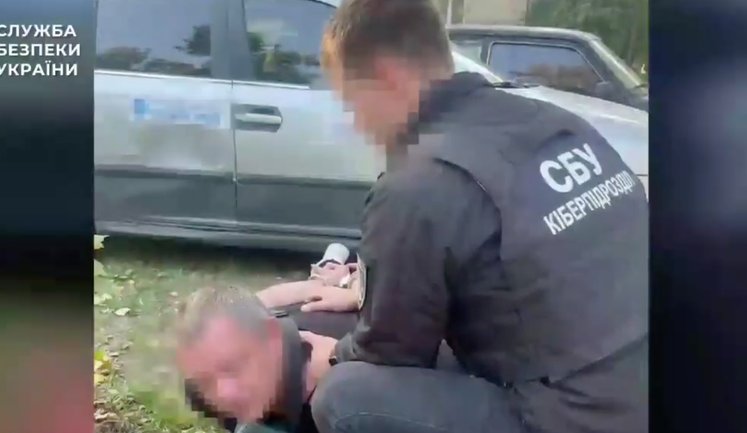
Yes, many bloggers in Ukraine are facing legal actions due to activities that compromise national security, such as leaking military positions or spreading pro-Russian content. The SSU has been vigilant, arresting individuals involved and issuing suspicion notices to those encouraging unrest or sharing sensitive information.
What controversial activities are associated with bloggers in Ukraine?
Ukrainian bloggers have been associated with various controversies, including dangerous driving stunts, as well as legal issues such as fraud, leaking military secrets, inciting hatred, and supporting enemy propaganda. These actions have led to arrests, court trials, and imprisonment, reflecting the serious national security concerns tied to their online activities.
How has Ukraine responded to bloggers leaking military information?
Ukraine has responded by conducting thorough investigations and arrests. The SSU has detained several bloggers for illegally sharing sensitive military information, disrupting operations, and endangering national security. This has resulted in prosecutions and hefty prison sentences, showcasing the authorities' commitment to safeguarding the country's defense strategies.
What are the consequences for bloggers involved in espionage in Ukraine?
Bloggers involved in espionage or actions favoring enemy states, like leaking sensitive data or coordinating with foreign actors, face serious charges and long-term imprisonment. The legal framework in Ukraine is strict regarding national security, and individuals caught in espionage are held accountable to the full extent of the law.
How have foreign bloggers influenced perceptions in Ukraine?
Foreign bloggers, such as Laura Loomer, influence perceptions by visiting strategic sites and expressing political views that may align or conflict with Ukrainian stances. Their presence often stirs public debate and media attention, challenging national narratives and contributing to international relations discourse, especially when their histories involve contentious political viewpoints.