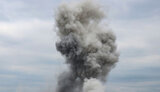
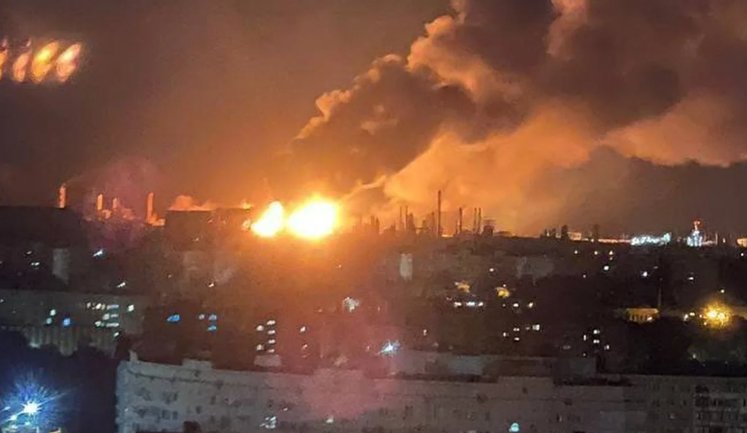
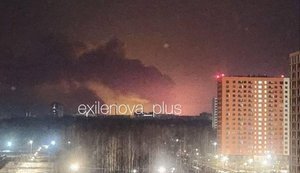
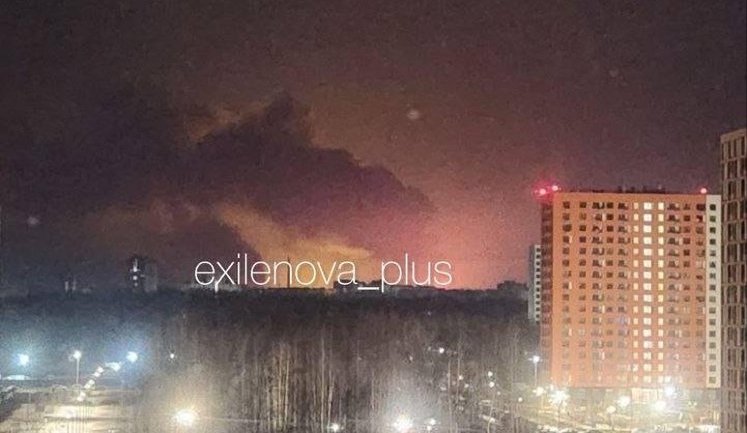
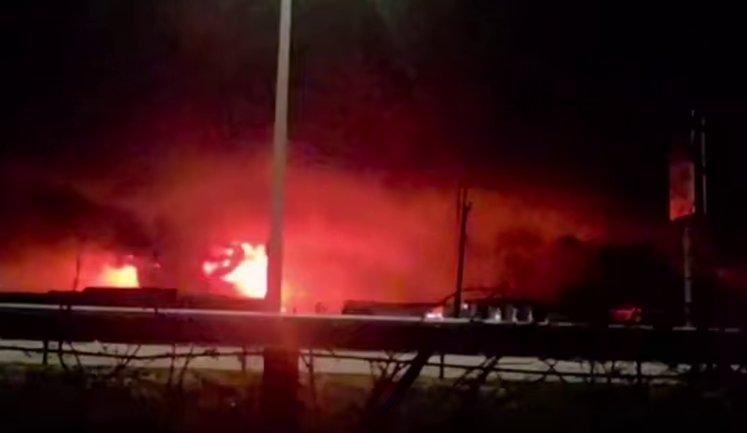
The Yaroslavl region of the Russian Federation has become a focal point of strategic strikes aimed at diminishing the military and economic capabilities of the Russian aggressor. Recent events have seen notable facilities such as the Yaroslav oil refinery and the "Temp" oil depot in Rybinsk targeted by Ukrainian Defence Forces and UAV operations. On March 28, 2026, Ukrainian units successfully struck the Yaroslavl oil refinery, causing fires and operational disruptions. These actions contribute to the ongoing efforts to weaken Russia's infrastructure, marking a pivotal moment in their strategic military engagements.
What recent incident occurred at the Yaroslavl oil refinery?
The Yaroslavl oil refinery was struck by Ukrainian Defence Forces on March 28, 2026. The attack resulted in fires breaking out at multiple areas of the facility, including storage tanks, significantly impacting the operations of one of Russia's major refineries.
How does the attack on the Yaroslavl region affect Russia's military capabilities?
The strategic strikes on the Yaroslavl region, particularly the oil refineries and storage facilities, aim to cripple essential infrastructure in Russia. This diminishes their military capabilities by disrupting fuel supplies, which are critical for sustaining military operations.
Why is the Yaroslavl region targeted by Ukrainian forces?
The Yaroslavl region is targeted due to its strategic importance in terms of oil production and storage. By targeting these facilities, Ukrainian forces aim to weaken Russia's economic backbone and reduce its ability to sustain prolonged military engagements.
What was the Ukrainian Defence Forces’ strategy behind these attacks?
The strategy behind these strikes is to target critical infrastructure to disrupt the economic and military capabilities of the Russian Federation. Such tactics focus on creating operational challenges for the aggressor by depriving them of crucial resources like oil.
What role did UAVs play in the Yaroslavl strikes?
Unmanned Aerial Vehicles (UAVs) played a crucial role in the strikes on the Yaroslavl region. They were used to precisely target and hit facilities such as refineries and storage depots, demonstrating advanced operational capabilities and strategic warfare tactics.