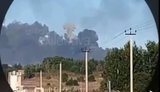
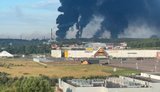
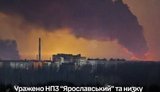
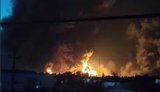
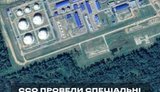
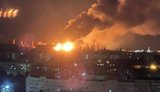
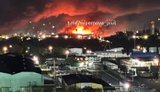
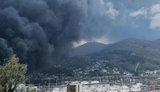
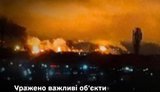
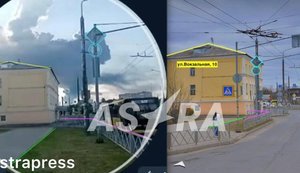
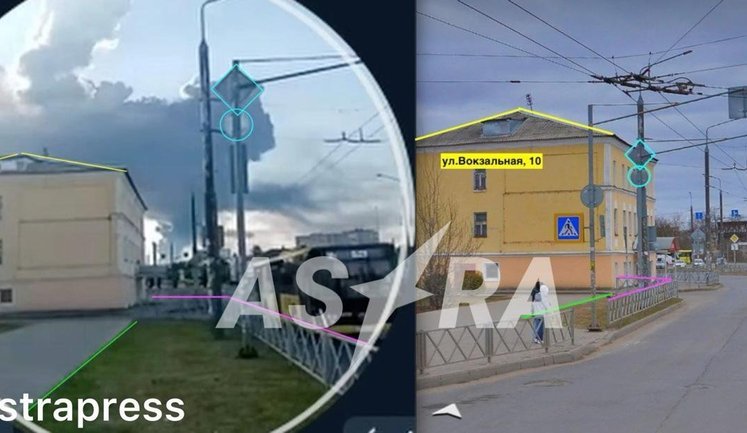
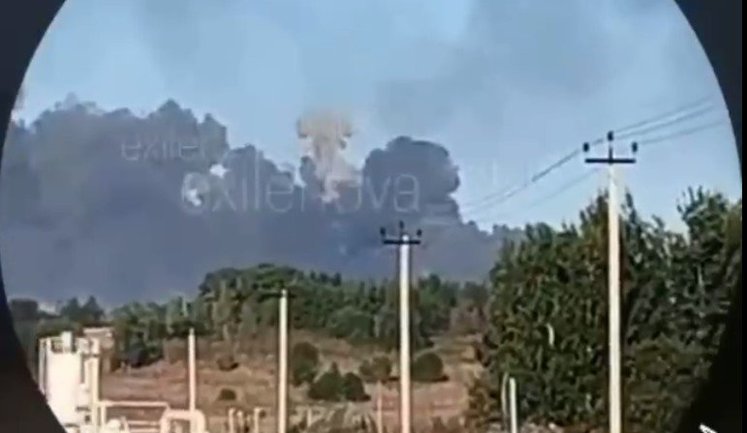
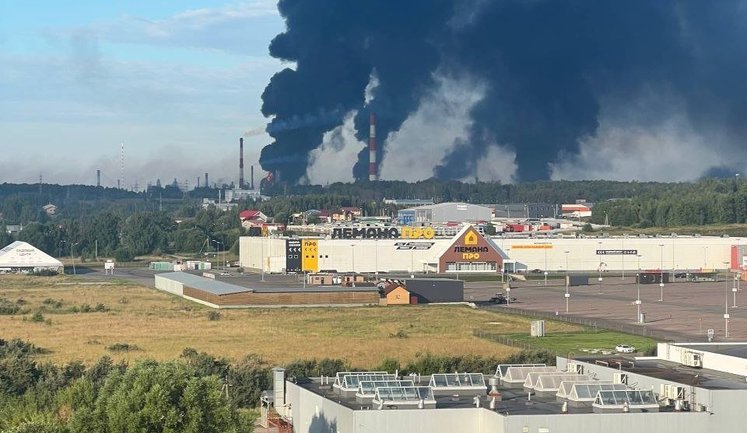
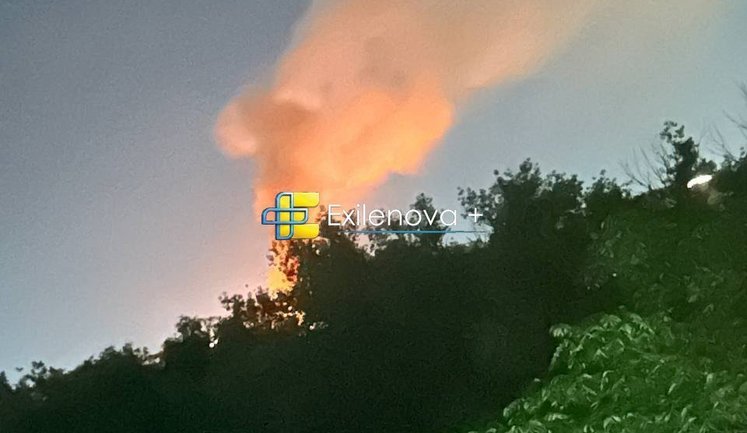
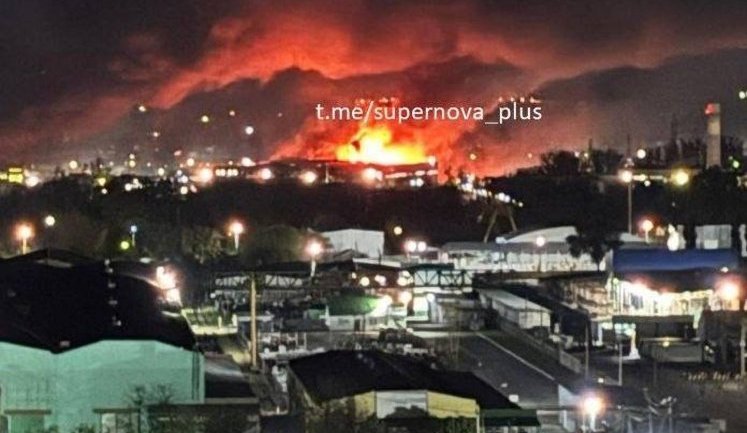
The Yaroslavl region of the Russian Federation is at the center of recent strategic operations. A successful Special Operations Forces strike at the Palkino oil station illustrates escalating tensions. Concurrently, the city of Rybinsk witnessed a dramatic 'oil rain' after a targeted strike led to an oil depot fire, challenging Rosrezerv's infrastructure. Ukrainian President Zelenskyy confirmed these operations, aligning with broader defense strategies acknowledging significant strikes on key facilities like the Rosrezerv’s "Temp" depot. These operations underscore the regional volatility and strategic interests at play. Understanding the implications of these events is crucial for analyzing future geopolitical dynamics in the area.
What events occurred recently in Yaroslavl region?
The Yaroslavl region experienced several attacks on oil facilities, including strikes on the Palkino oil station and Rosrezerv’s "Temp" depot. These resulted in significant damage and public safety concerns, linked to strategic military actions by Ukrainian forces.
How did the "oil rain" occur in Rybinsk?
The "oil rain" phenomenon in Rybinsk followed an attack on a local oil depot, causing airborne dispersal of oil particles. This incident highlights the impact of coordinated military operations targeting energy infrastructure within the Yaroslavl region.
Who confirmed the attacks on the Yaroslavl region oil facilities?
Ukrainian President Volodymyr Zelenskyy confirmed the strategic operations targeting oil facilities in the Yaroslavl region. This included strikes on key infrastructures like the Rosrezerv’s "Temp" plant, signaling broader defensive military objectives.
What strategic facilities were targeted in Yaroslavl?
Strategic facilities such as the Palkino oil pumping station and the Federal State Unitary Enterprise "Temp" Plant in Rybinsk were targeted. These sites are crucial to regional energy supply chains, making them significant in military strategies.
What is the importance of the Rosrezerv’s "Temp" plant?
The Rosrezerv’s "Temp" plant in the Yaroslavl region is vital due to its role in storing and distributing fuel. Its targeting underscores strategic efforts to disrupt energy supplies, revealing the critical infrastructure's role in regional conflicts.
How far is the Yaroslavl region from the Ukrainian border?
The Yaroslavl region is located over 700 kilometers from the Ukrainian border. This distance highlights the capability and reach of military operations conducted as part of broader strategic objectives in the area.