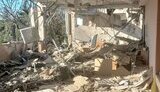
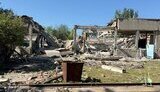
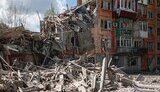
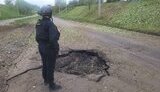
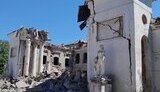
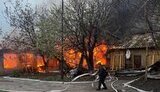
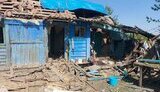
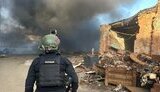
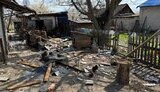
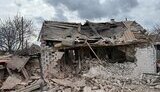
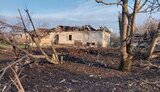
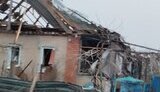
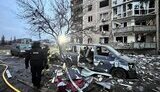
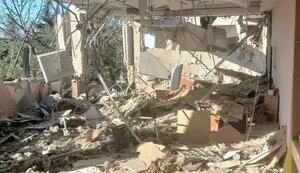
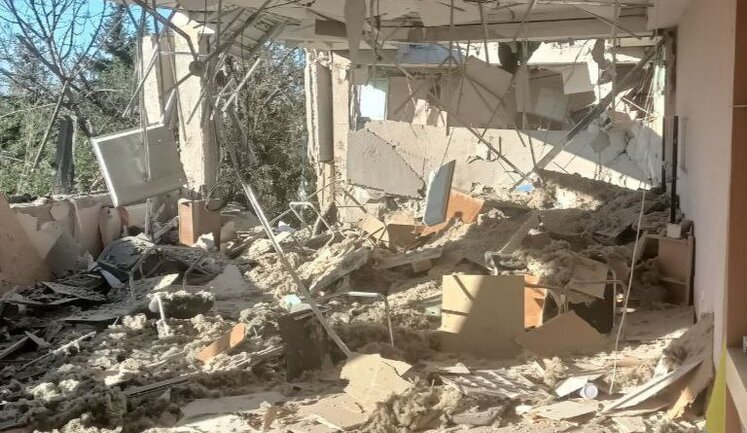
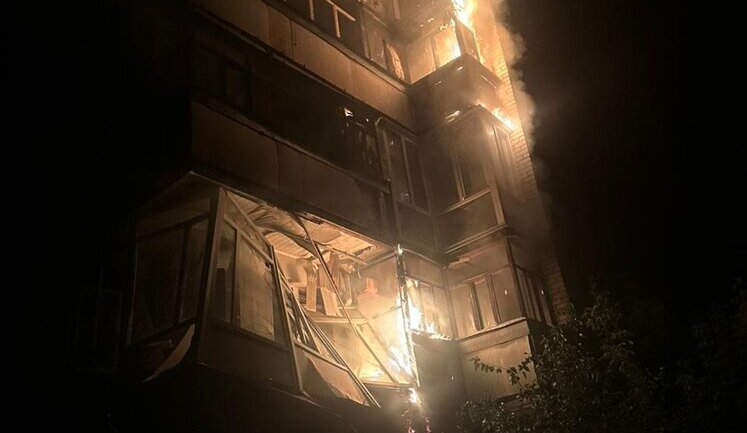
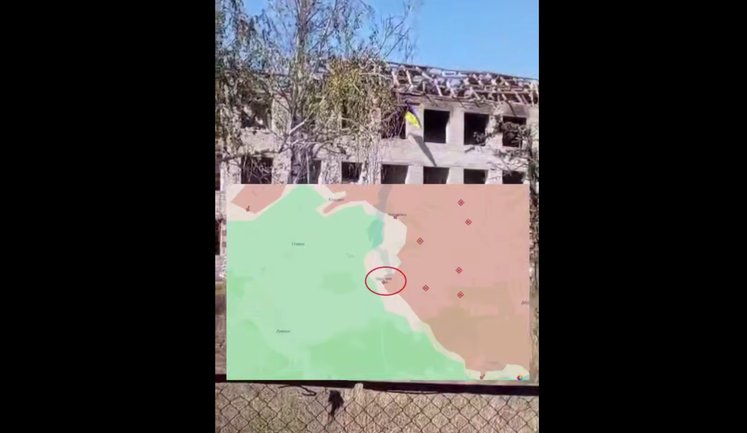
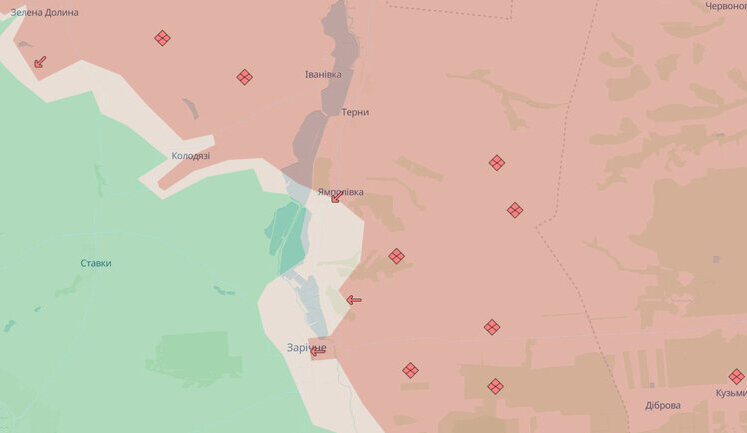
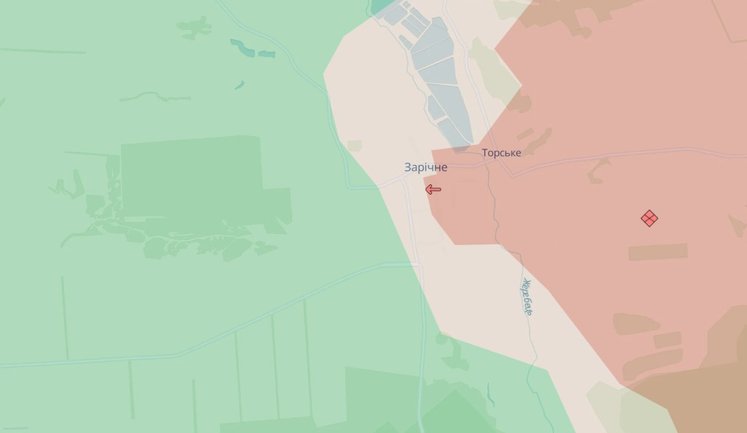
The village of Zarichne in the Kramatorskyy district of Donetsk region has been strategically recaptured by the 425th Assault Regiment "Skelia" of Ukraine. This key victory is significant in the context of ongoing skirmishes where Russian forces have shown persistent advancements in neighboring regions such as Dnipropetrovsk and Zaporizhzhia. Recently, civilians have suffered tremendous impacts, with many casualties and injuries reported in various settlements. This situation underscores the volatile security landscape in Donetsk, where hostilities continue to displace residents. As Ukrainian forces manage to retaliate, the recapture of Zarichne marks a notable milestone in resisting Russian advances.
What is the significance of recapturing Zarichne in Donetsk?
The recapture of Zarichne by the Ukrainian forces is symbolically and strategically vital in the Donetsk region's ongoing conflict. It showcases Ukraine’s resilient defense efforts against Russian advancements, disrupting the enemy's territorial control. Such victories are crucial for maintaining morale among Ukrainian forces and demonstrate their capability to reclaim occupied areas despite an aggressive opposition.
What role has the 425th Assault Regiment "Skelia" played recently?
The 425th Assault Regiment "Skelia" has been instrumental in retaking the village of Zarichne in the Donetsk region from Russian control. Their efforts highlight a significant achievement in boosting morale and strategically holding back Russian advances, fostering hope in the broader context of the conflict in Ukraine.
How are civilians affected by the conflict in Donetsk?
Civilians in the Donetsk region are facing severe hardships due to sustained hostilities. Frequent attacks lead to casualties, injuries, and significant infrastructure damage, forcing many to evacuate. This continual peril disrupts daily life and poses ongoing challenges in ensuring safety and stability for local communities.
How have Russian forces been advancing in Ukraine recently?
Russian forces have recently gained ground in several Ukrainian regions, primarily focusing on Donetsk and Dnipropetrovsk. These aggressive maneuvers aim to consolidate control and disrupt Ukrainian defenses, further complicating the region's security dynamics. Such advances pose significant threats to the stability and territorial integrity of the affected areas.
What are the broader implications of the conflict in Donetsk?
The conflict in Donetsk has broader geopolitical implications, exacerbating regional instability and humanitarian crises. It heightens tensions between Ukraine and Russia, affecting international diplomacy and security. Continuous conflict leads to human rights concerns, emphasizing the urgent need for comprehensive conflict resolution and aid.
How does the situation in Donetsk impact the wider region?
Instability in Donetsk significantly impacts the wider region by creating security dilemmas for neighboring areas, disrupting trade, and damaging regional economies. This volatility requires regional security policies and international support to manage conflicts and aid affected populations effectively.
What measures are being taken to protect civilians in Donetsk?
Various measures, such as coordinated evacuations, establishment of temporary shelters, and provision of humanitarian aid, are being implemented to protect civilians amidst the conflict in Donetsk. International organizations and local authorities are working together to ensure safety, offering relief and essential supplies to those affected.