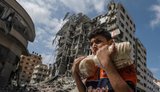
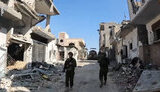
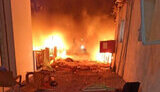
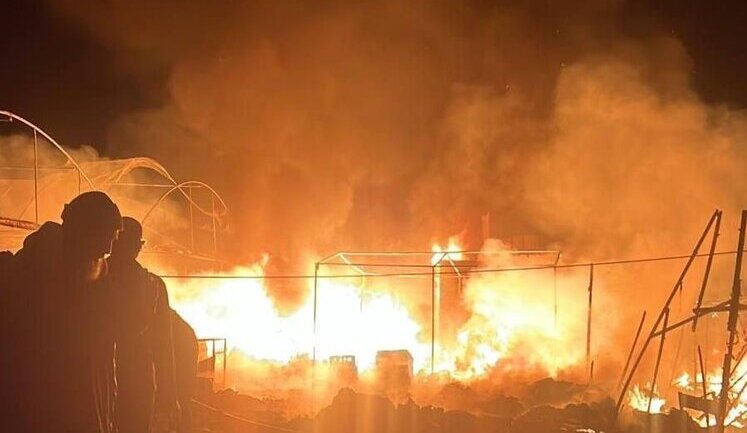
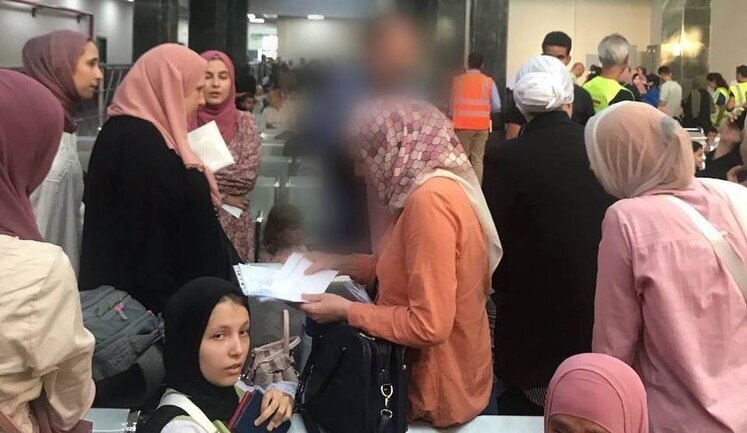
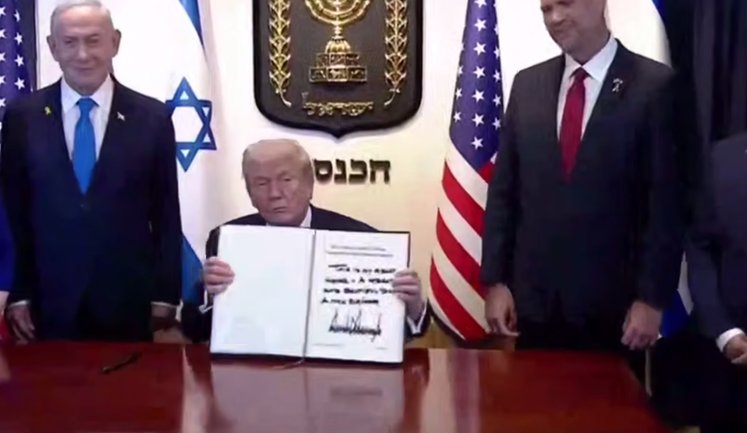
The Gaza Strip continues to be a focal point of international attention, with significant discussions around peace initiatives and humanitarian needs. US President Donald Trump recently announced the formation of a Peace Council, garnering over $5 billion for reconstruction in Gaza. Concurrently, the US has put forward a UN resolution proposing an international stabilisation force with a two-year mandate to support the ceasefire efforts. In addition to these diplomatic endeavors, there are ongoing discussions on the possible recognition of Palestine should conflicts persist. These efforts are aimed at stabilizing the region, emphasizing the importance of international cooperation in addressing both immediate humanitarian needs and long-term peace prospects.
What is the purpose of the Peace Council in the Gaza Strip?
The Peace Council aims to raise funds and coordinate international efforts to support humanitarian needs and reconstruction in the Gaza Strip. It is intended to aid the stabilization of the region in partnership with global stakeholders.
What are the main objectives of the proposed international stabilisation force in Gaza?
The international stabilisation force is proposed to maintain peace and security in the Gaza Strip. With a two-year mandate, it aims to ensure adherence to ceasefires and support reconstruction and peace-building initiatives in the area.
How are countries responding to the conflict in Gaza?
Countries are engaging in diplomatic discussions and humanitarian aid initiatives. For instance, the US has pledged over $5 billion through the Peace Council, while several nations discuss potential recognition of Palestine should conflicts continue.
What role does the US play in the Gaza Strip peace efforts?
The US has taken a proactive role by creating the Peace Council, proposing a UN stabilisation force, and mediating ceasefire agreements. These actions display a commitment to both immediate and long-term peace and stability in the region.
How might the international community support the reconstruction of Gaza?
International support for Gaza's reconstruction involves financial aid, such as the $5 billion pledged by the Peace Council, and the establishment of stabilisation forces to secure peace. Collaborative efforts focus on rebuilding infrastructure and providing essential humanitarian support.
What are the current humanitarian challenges in the Gaza Strip?
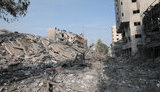
Humanitarian challenges include significant infrastructure damage, limited access to basic services, and ongoing security concerns. International efforts focus on providing resources to address these needs and support the population's recovery.
What are the potential outcomes of continued ceasefire negotiations in Gaza?
Continued ceasefire negotiations aim to reduce hostilities and create a stable environment for peace talks and reconstruction efforts. Success in these negotiations could lead to improved regional security and socio-economic recovery in Gaza.