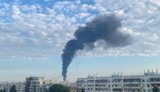
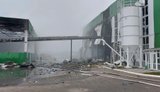
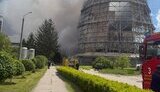
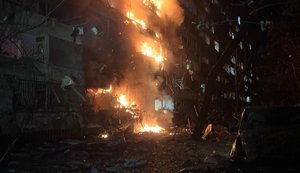
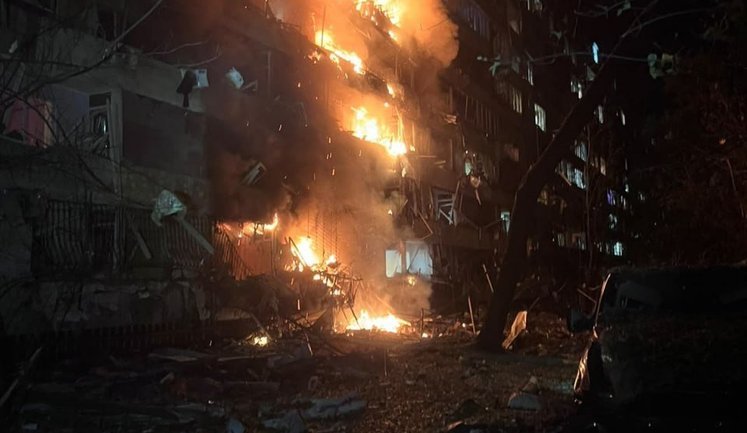
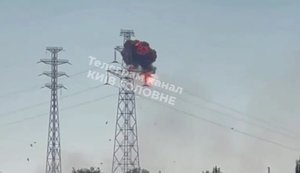
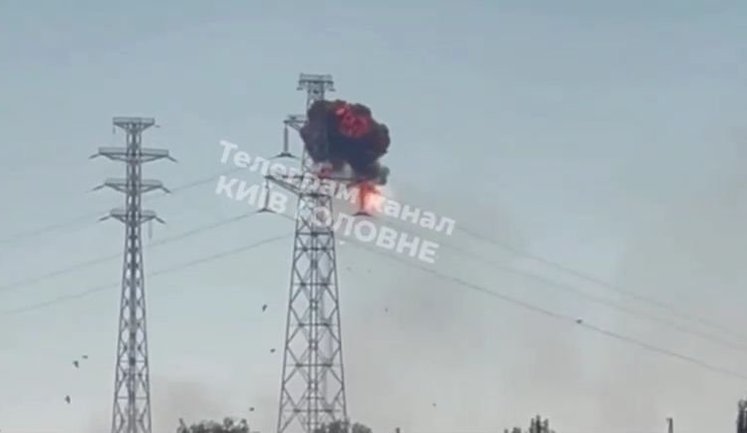
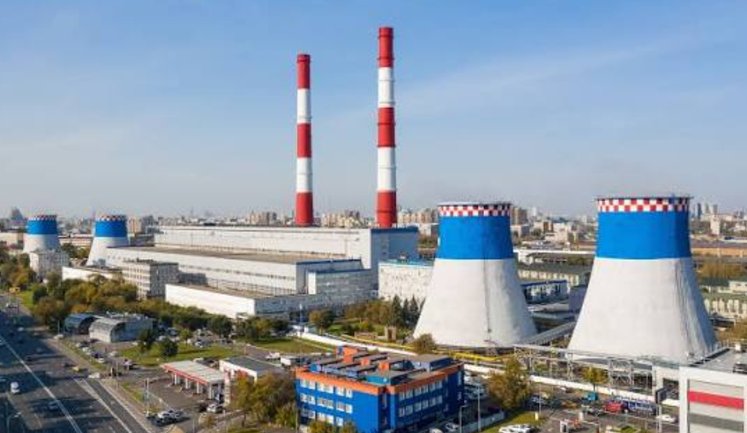
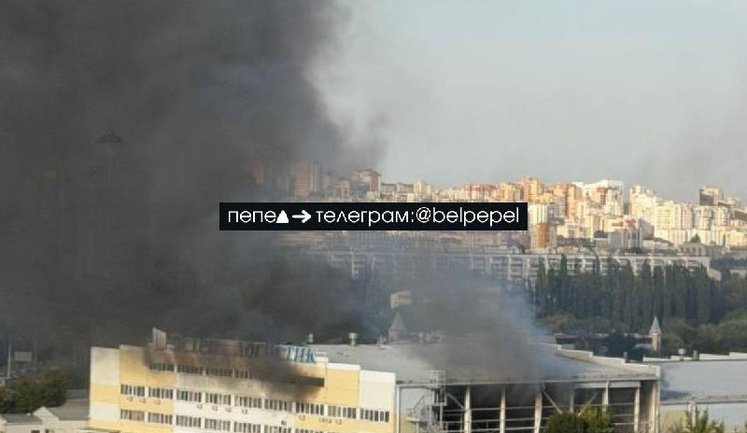
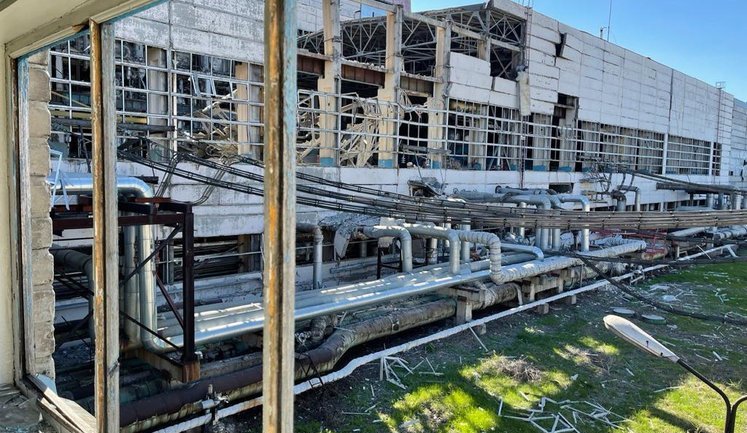
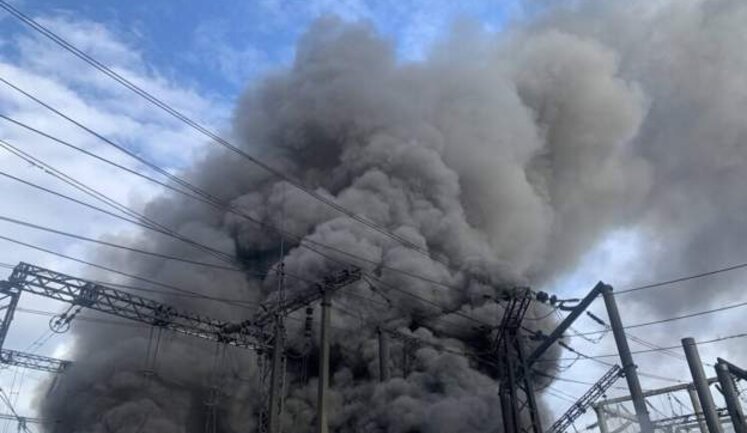
The ongoing conflict in Ukraine has brought severe disruption to thermal power plants (TPPs) across the nation. Recent attacks targeted key infrastructure, with notable hits on Kyiv's CHPPs and Kherson's facilities. Kyiv faced a large-scale strike damaging its CHPPs, while Kherson saw repeated assaults that disabled power-generating equipment. In Odesa, a combined missile and drone strike inflicted damage on its thermal power station. The constant threat of attacks has left Ukraine's energy network in a precarious state, exacerbating challenges as the country prepares for winter. The situation underscores the critical need for bolstered energy security measures.
What recent damage occurred to Kyiv's CHPPs?
Recently, Kyiv's CHPPs faced a large-scale attack from Russian forces resulting in significant damage. The target included CHPP No. 4, which was hit by ballistic missiles without warning, exacerbating the city's energy situation.
How have the attacks affected Kherson's energy infrastructure?
Kherson's energy infrastructure has suffered repeated attacks, particularly at its thermal power station. Russian strikes with drones and artillery have led to critical damage, rendering power-generating equipment inoperative, pushing authorities to urge residents to vacate the city.
What is the status of the Odesa Thermal Power Station?
The Odesa Thermal Power Station was recently hit by a combined missile and drone attack, resulting in damage to its main and auxiliary equipment. This continues to impact regional power supply and poses challenges for restoration ahead of the heating season.
How significant is the threat to Ukraine's thermal power plants?
The threat to Ukraine's thermal power plants is considerable, with nearly all facilities suffering some level of damage due to ongoing Russian attacks. This jeopardizes the country's energy security and complicates preparations for the winter months.
What measures are being taken to protect Ukraine's TPPs?
Ukraine is working to strengthen protection around its TPPs, involving international cooperation and enhanced security measures. However, the relentless nature of attacks raises ongoing challenges in maintaining a resilient energy infrastructure.
What has been the international response to the attacks on energy facilities?
International partners have been involved in visits and assessments of the damage to Ukraine's energy facilities. There is a push for bolstered support and resources to aid in repairs and enhance defenses against further attacks.
How are residents affected by the TPP attacks?
Residents are profoundly affected by the attacks on TPPs, with many experiencing power outages, heating issues, and in some cases, displacement as authorities work to cope with the unstable energy supply and security concerns.
What steps are being taken to restore affected power stations?
Restoration efforts are underway for affected power stations, focusing on damage assessment, repairs, and strengthening defenses. Emergency crews are actively working in regions like Kyiv and Kharkiv to restore normalcy amidst ongoing threats.
What role do international partners play in Ukraine's energy restoration efforts?
International partners play a crucial role by providing resources, equipment, and expertise needed for Ukraine's energy restoration efforts. Their involvement is instrumental in addressing the extensive damage and ensuring a sustainable energy future for Ukraine.
How is the TPP situation evolving as the conflict continues?
The TPP situation remains volatile, with continued reports of physical attacks on energy infrastructure. As the conflict endures, the pressure mounts on Ukraine to safeguard its plants and restore essential services amidst persisting hostilities.