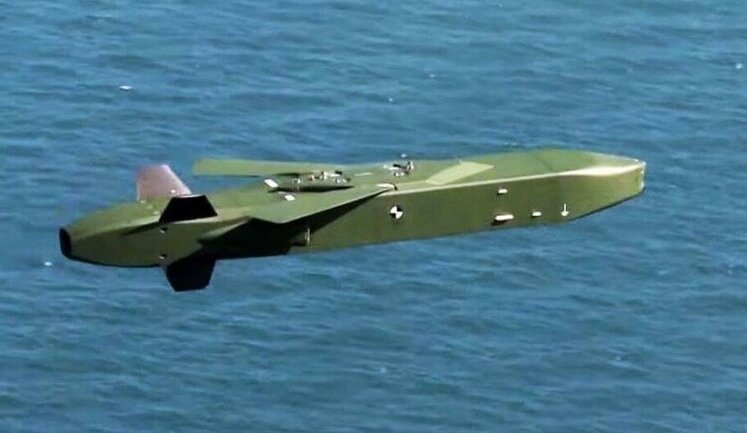
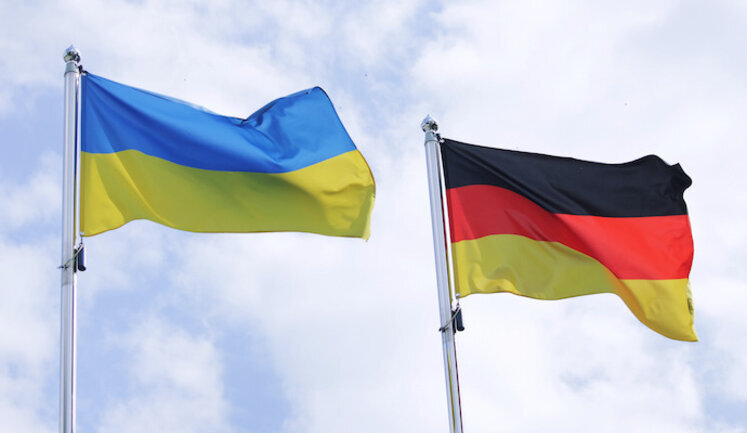
In 2025, the discussion surrounding Germany's potential supply of Taurus cruise missiles to Ukraine remains a hot topic. German politicians are divided on the issue. Prominent figures, such as Vice-President of the Bundestag Omid Nouripour, have urged the government to provide these long-range weapons to support Ukraine. However, opposition is significant, with 64% of Germans opposing the supply. Despite earlier support signals from Chancellor Friedrich Merz, refusal from Defense Minister Pistorius highlights internal German government disagreements. Meanwhile, geopolitical considerations loom large. Russian officials have threatened consequences if Taurus missiles are used against Russian targets, while UK's support adds an additional layer of complexity. This ongoing debate captures the intricate dance between national security interests and international alliances.
Why is the Taurus missile supply significant for Ukraine?
The potential supply of Taurus missiles to Ukraine is significant because it could enhance Ukraine's long-range strike capabilities against Russian targets. As the conflict with Russia continues, Ukraine sees the Taurus as a crucial component in bolstering its defense. These missiles have the ability to alter the dynamics on the battlefield, making them highly sought after by Kyiv. However, geopolitical ramifications, including potential escalation with Russia, complicate the decision for Germany and its European allies.
What are the main reasons for Germany's reluctance to supply Taurus missiles?
Germany's reluctance to supply Taurus missiles to Ukraine stems from several factors. Firstly, there is a significant domestic opposition, with polls indicating that 64% of Germans are against it. Secondly, fears of escalating the conflict with Russia weigh heavily on decision-makers. There are also ongoing political debates within Germany, with figures like Finance Minister Lars Klingbeil opposing the supply. Additionally, the need for consensus among European partners complicates the issue further.
How has Chancellor Friedrich Merz positioned himself on the Taurus missile issue?
Chancellor Friedrich Merz has exhibited a nuanced stance on the Taurus missile issue. Initially, he indicated that supply to Ukraine remains an option, expressing readiness to support such a move with European partners' consent. However, his position has been fluid, as internal political pressures and foreign relations dynamics evolve. Under his leadership, the government has been slow in making definitive decisions, balancing between supporting Ukraine and maintaining diplomatic stability with Russia.
What are the potential consequences for Germany if it supplies Taurus missiles to Ukraine?
Supplying Taurus missiles to Ukraine could lead to several repercussions for Germany. It risks escalating tensions with Russia, as indicated by Russian officials who view such a move as direct participation in hostilities. Germany must also consider the potential impact on its relationships with European allies, some of whom may not support the decision. Domestically, the government faces opposition from a significant portion of its populace. Additionally, the supply could influence Germany's defense policies and its strategic stance in international relations.
What role do European allies play in Germany's decision on Taurus missiles?
European allies play a critical role in Germany's decision-making process regarding Taurus missiles. Chancellor Merz and other German officials have emphasized the importance of consensus among European partners before proceeding with the supply. This need for alignment reflects Germany's commitment to a unified European foreign policy approach, especially when dealing with sensitive military support issues. The support or opposition from key European countries, like the UK, directly influences the German government's stance and could sway final decisions.