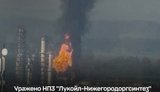
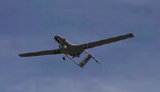
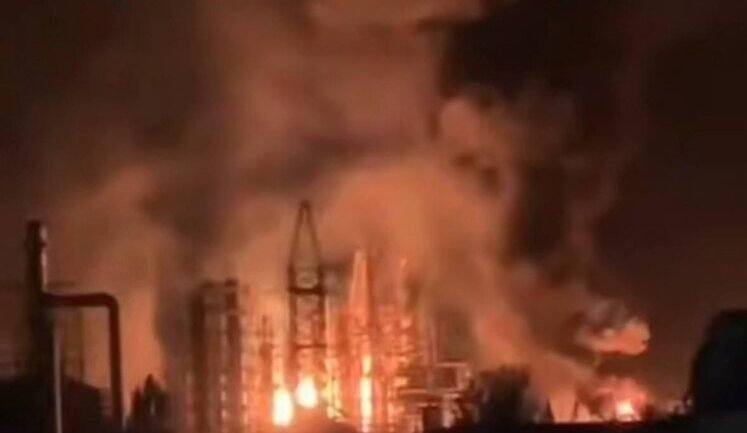
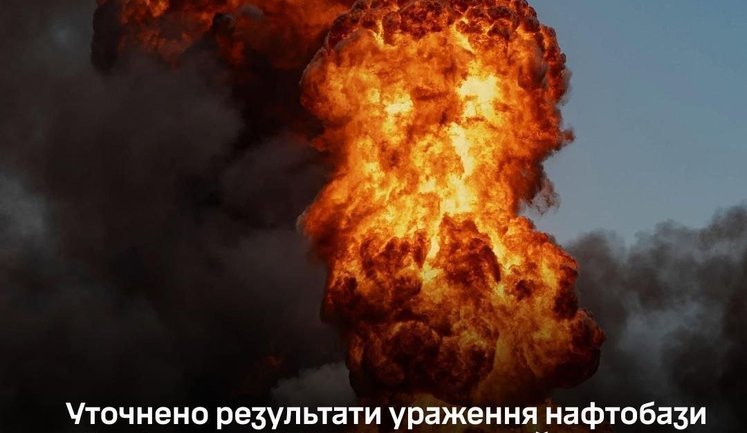
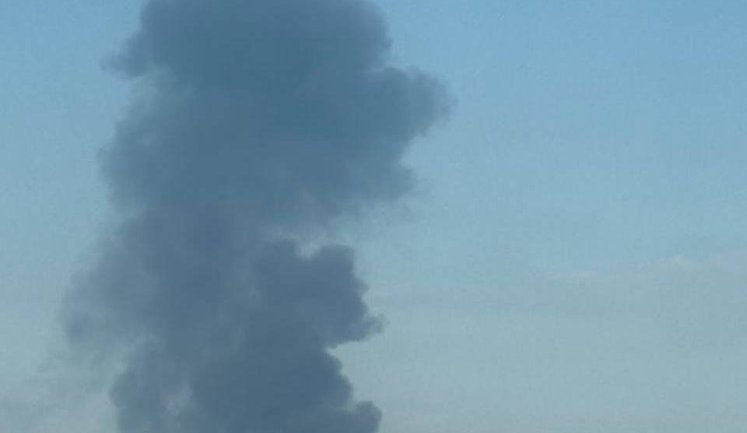
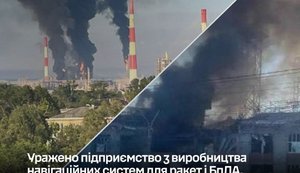
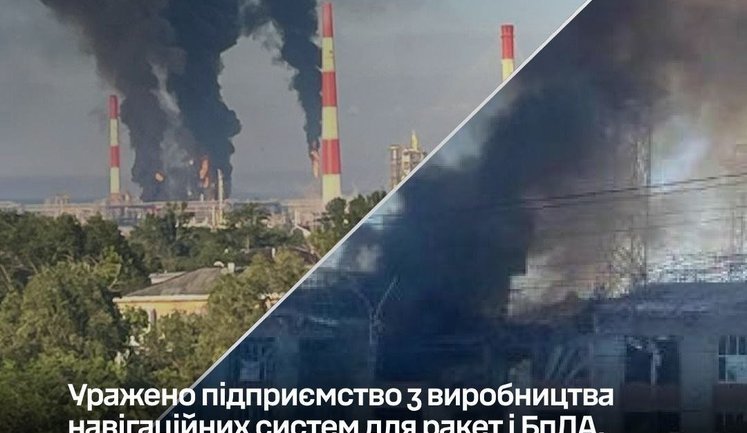
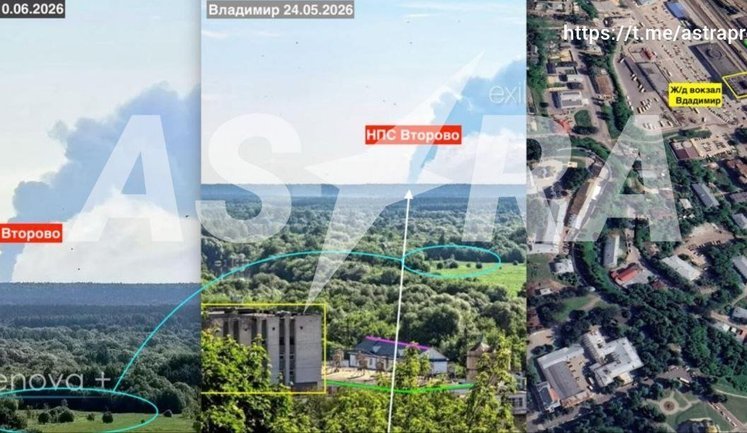
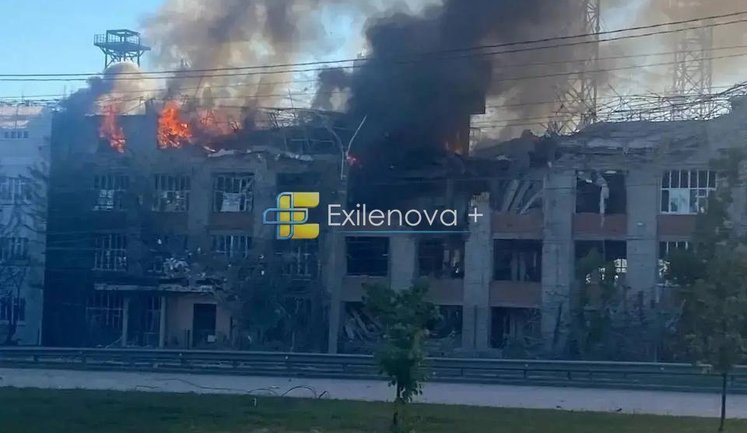
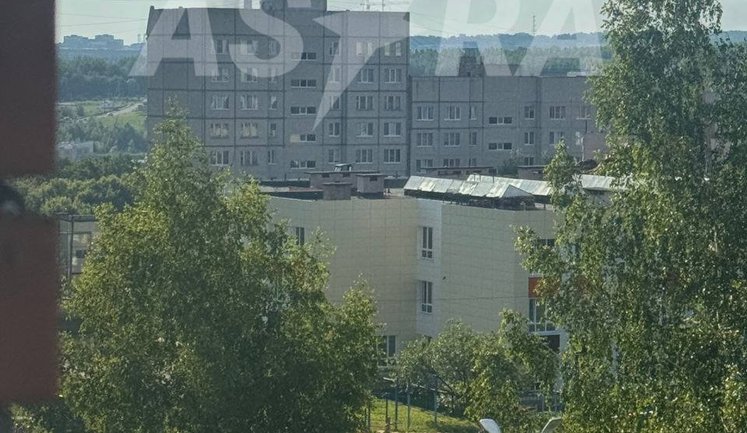
Recent strikes on the Russian Federation, particularly targeting oil infrastructure and defense systems, have created significant geopolitical tension. Ukrainian President Volodymyr Zelenskyy has acknowledged requests to limit attacks on Russia's oil industry due to potential global economic repercussions. Despite this, Ukraine's Defense Forces continue to execute strikes, such as the ones on the Krymskaya oil pumping station and Ust-Luga Oil terminal. These actions reaffirm Ukraine’s strategy to weaken Russia’s military and economic capabilities. Strikes on oil facilities, like those on the Sheskharis terminal in Novorossiysk, have strengthened Ukraine's bargaining power during negotiations. As these operations diversify, they highlight the intensifying nature of contemporary military conflicts and their economic implications, specifically concerning global oil markets and military logistics.

What are the strategic goals behind Ukraine's strikes on Russian oil infrastructure?

Ukraine aims to undermine Russia's military and economic capabilities by targeting critical infrastructure such as oil facilities. These actions are intended to disrupt the aggressor's logistics and economic stability, strengthening Ukraine's position in ongoing negotiations while highlighting vulnerability in enemy defense systems.

How do strikes on Russian soil impact global oil prices?

Strikes on Russian oil infrastructure can lead to disruptions in supply, potentially escalating global oil prices. This instability reflects on global markets due to Russia's significant role in energy exports. Such activities highlight the geopolitical risks associated with military actions targeting key economic sectors.

Why might allies request Ukraine to limit strikes on Russian infrastructure?

Allies may request restraint to prevent escalations that could severely impact global economic stability, particularly in energy markets. Avoiding significant disruptions in oil supply is crucial for maintaining economic balance and preventing adverse global market reactions.

How do these military operations affect Ukraine's negotiating position with Russia?

By effectively targeting vital infrastructure, Ukraine strengthens its negotiating stance. Demonstrating capability and resilience in striking hard-to-reach areas showcases strategic leverage, which can be advantageous during diplomatic engagements with Russia, persuading concessions or agreements favoring Ukraine.

What are the risks involved in Ukraine's ongoing strike campaign within Russian territory?

The main risks include potential retaliation from Russia, strain on international diplomatic relations, and increased military escalation, involving broader regional conflicts. These operations can lead to unpredictability in economic markets, affecting global stakeholders depending on stability in energy sources.

How do drone strikes compare to traditional military attacks?

Drone strikes provide a strategic advantage through precision and reduced risk to personnel. They are cost-effective, harder to intercept, and can target high-value objectives with minimal collateral damage. However, they also escalate wartime technological warfare, adding complexity to global defense strategies.

What role does technology play in Ukraine's defense strategy?

Technology, particularly unmanned aerial systems, plays a critical role in enhancing Ukraine's defense capabilities. It allows for effective long-range operations and targeting of vital enemy infrastructure, while also showcasing advancements in Ukraine's military technology and strategic adaptability.

What is the international response to Ukraine's expanded military actions?

International responses vary, with some allies supporting Ukraine's defense initiatives, while others express concern over potential escalations. Diplomatically, these actions necessitate careful balancing to maintain support while addressing global economic and political impacts of expanded military operations.

How do these strikes align with Ukraine's overall military objectives?

The strikes align with Ukraine's objective to deter aggression by disrupting enemy logistics and demonstrating military readiness. By targeting economic and military infrastructures, Ukraine aims to sustain defensive and offensive capacities necessary for its sovereignty and regional security.

What potential future outcomes could arise from these ongoing strikes?

Potential outcomes include changes in negotiation dynamics, shifts in global oil prices, heightened military engagement, and redefined alliances. The strikes could either hasten conflict resolution through strategic advantage or escalate into broader confrontational scenarios requiring international intervention.

show details

TOP news Strikes on RF

Strikes on Russia and TOT: General Staff reveals details Oil depot in Voronezh region of Russia and ruscists’ facilities in TOT hit, - General Staff The defence forces struck a UAV warehouse, a UAV control centre and a number of other facilities belonging to the Russian occupiers. 1 253 1 Previously in trend: Occupied territories - Crimea and Donbas Striking Russia

Ukraine hits Russian anti-sabotage boat and UAV control points Russian anti-sabotage boat hit in Kaspiysk, UAV control points and other enemy targets struck – General Staff On 17 May and overnight into 18 May 2026, units of Ukraine’s Defense Forces struck a number of important targets belonging to the Russian occupiers. 1 475 3 Previously in trend: Destruction of Russian equipment

hit "Uragan" MLRS, "Buk-M1" air defence missile system and number of areas where Russian troops are concentrated have been hit, - General Staff (updated) On 24 February 2026, units of the Ukrainian Defence Forces destroyed an enemy "Uragan" multiple launch rocket system in the area of Liubymivka, Zaporizhzhia Oblast. 1 105 0 Previously in trend: Destruction of Russian equipment Elimination of Russian occupying forces

air defense systems hit Enemy air defense systems, logistics facilities, and warehouses with drones have been hit, - General Staff Yesterday and overnight on March 23, units of the Ukrainian Armed Forces struck a number of key military targets belonging to the Russian aggressor. 954 0 Previously in trend: Destruction of Russian equipment

Defense Forces hit enemy command posts and ammo depot in occupied areas Enemy command posts and ammunition depot hit in occupied territory, General Staff says On the night of February 2, 2026, Defense Forces units delivered a series of effective strikes on enemy facilities in the temporarily occupied territories of Ukraine. 635 0 Previously in trend: Destruction of Russian equipment Elimination of Russian occupying forces

Syzran refinery halts work after drone attack Syzran oil refinery effectively halted operations after drone attack – Reuters The Syzran oil refinery halted operations after a key crude distillation unit was damaged in a drone attack. Repairs may take more than a month. 3 783 2 Previously in trend: UAV attack on oil refinery of Russia

AFU hit Russian logistics in Zaporizhzhia Oblast AFU strike Russian logistics in Zaporizhzhia Oblast – equipment and vehicles destroyed. VIDEO Ukrainian forces carried out a series of strikes on Russian military logistics in Zaporizhzhia Oblast, hitting a number of vehicles. 2 093 1 Previously in trend: Drone industry

Russian military depots have been hit Enemy depots and military facilities in occupied territory and in Russia have been struck, — General Staff On April 20 and during the night of April 21, units of the Ukrainian Armed Forces carried out strikes against a number of key targets belonging to the Russian aggressor in the temporarily occupied territories of Ukraine and on Russian territory. 1 098 0 Previously in trend: Destruction of Russian equipment

Strike on "Sheskharis": Oil terminal damaged in Novorossiysk "Sheskharis" pier and terminal in Novorossiysk have been damaged. SATELLITE IMAGES Following a Ukrainian strike in Novorossiysk, the pier and infrastructure facilities at the "Sheskharis" oil terminal were damaged. 3 841 10 Previously in trend: Drone attack on Russian regions

Third Russian region switches to coupon-based fuel sales After Ukrainian drone strikes on refineries, fuel in third Russian region is now sold by coupons Fuel shortages of A-92 and A-95 have begun in Russia’s Primorsky Krai in the Far East following a series of Ukrainian Armed Forces strikes on oil refineries that knocked out 13% of Russia’s refining capacity. 294 0

attack on Yaroslavl Yaroslavl-3 pumping station – major hub on oil pipeline from Siberia to Baltic – has been hit, - Special Operations Forces Special operations forces struck an oil pumping station near the town of Semibratovo in the Yaroslavl Region of the Russian Federation on May 18. 2 773 2 Previously in trend: UAV attack on oil refinery of Russia

Oil depot on fire in Russia Infrastructure and two oil tanks were on fire at "Grushovaya" oil transhipment depot, - General Staff reconnaissance Further reconnaissance of the Russian Federation’s fuel and energy infrastructure facilities struck on 8 June 2026 has confirmed additional damage. 1 015 0 Previously in trend: Drone attack on Russian regions

Drones attacked a petrochemical plant in Bashkortostan Petrochemical plant attacked by drones in Sterlitamak, Russia. VIDEO Explosions have been heard in the Russian city of Sterlitamak (Republic of Bashkortostan). 3 454 4 Previously in trend: Striking Russia

Ukraine hits Lukoil refinery and Russian military sites Lukoil-Nizhegorodnefteorgsintez refinery and other enemy facilities hit – General Staff On 19 May and on the night of 20 May 2026, units of Ukraine’s Defense Forces struck a number of important Russian occupiers’ facilities. 2 451 1 Previously in trend: UAV attack on oil refinery of Russia

Russian Federation announces downing of drones Russian Ministry of Defence reports downing 50 drones: explosions occurred in number of regions On the night of 14 February, Russian air defence forces shot down 50 drones over 4 regions of the Russian Federation. 1 288 0