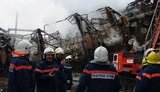
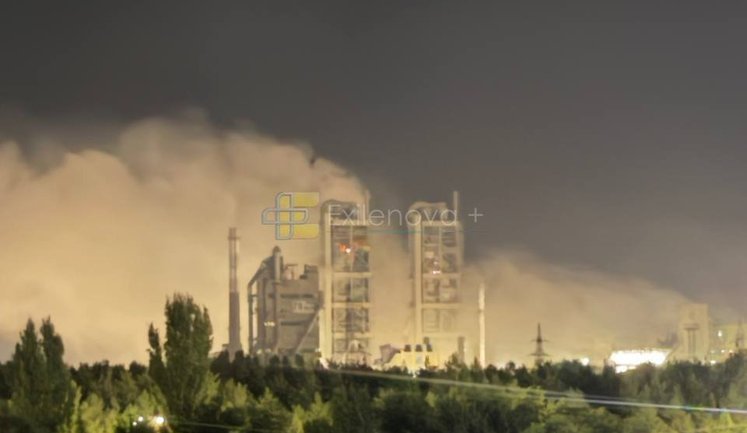
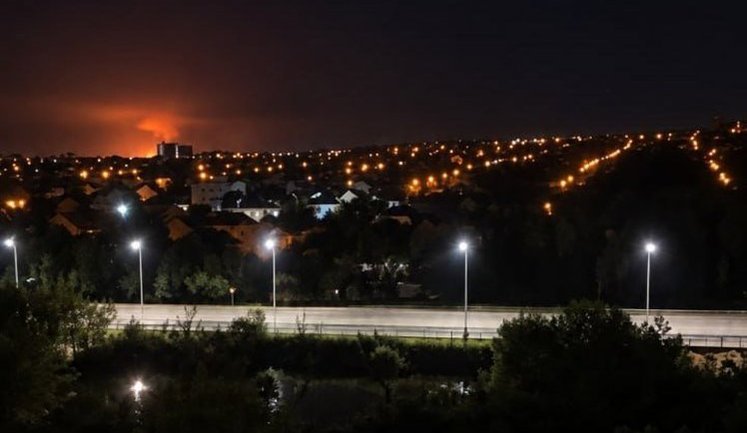
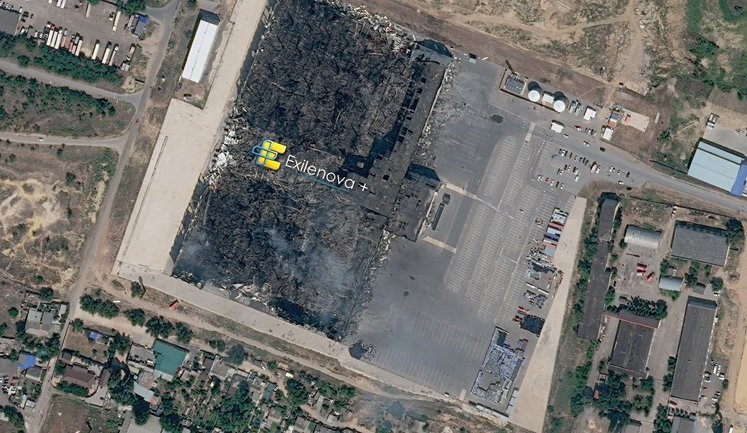
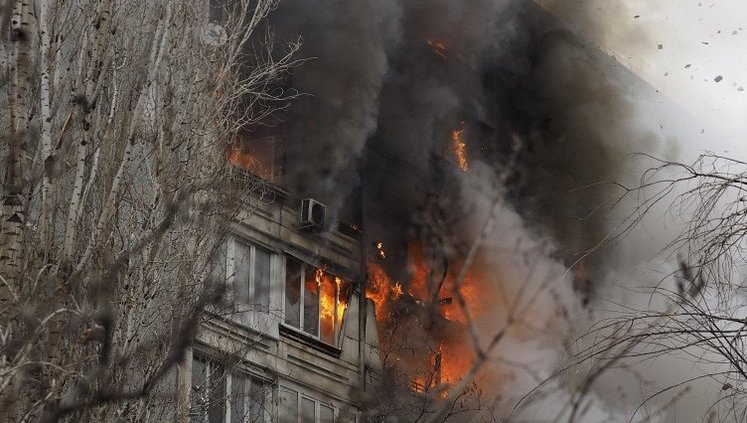
Volgograd has faced a series of drone attacks focusing primarily on its oil refineries, including the significant Lukoil facility. These attacks have resulted in substantial fires, severely damaging Russia's energy infrastructure. High-profile military targets, such as the Titan-Barrikady defense plant, were also struck by Ukraine's Defense Forces, using FP-5 Flamingo missiles. These coordinated strikes form part of a broader strategy to debilitate Russian military and logistical setups, further evidenced by the shutdown of the Volgograd airport and ongoing power outages across the region. The strategic targeting of crucial facilities is a critical move by Ukraine to leverage vulnerabilities in the military-industrial complex within Volgograd.
What impact have the drone attacks had on Volgograd's infrastructure?
The drone attacks on Volgograd have caused serious damage to its infrastructure, particularly targeting oil refineries and military facilities. Fires have erupted, and key operations at the Lukoil oil refinery have been disrupted, reflecting a significant hit to Russia's energy and military capabilities.
Why are the oil refineries in Volgograd being targeted?
The oil refineries in Volgograd are critical to Russia's energy supply chain, making them strategic targets to weaken Russia's economic strength. Their disruption can significantly impact Russia's operational capabilities, especially regarding military logistics and fuel supplies.
How has Ukraine's Defense Forces contributed to the attacks in Volgograd?
Ukraine's Defense Forces have significantly contributed by targeting Volgograd's strategic locations using missiles and drones. They aim to undermine Russian military strength and disrupt logistical support, as seen in the successful strikes on military-industrial sites and energy facilities in the region.
What are the consequences of the attacks on Volgograd's military targets?
The attacks on Volgograd's military targets have likely led to considerable setbacks for Russian defense operations. Strikes on facilities like the Titan-Barrikady defense plant impact production capabilities, while infrastructural damages further strain military logistics and readiness.
What specific military installations were affected by the attacks in Volgograd?
Key military installations affected include the Titan-Barrikady defense plant and Marinovka airfield, which were part of strategic strikes to lessen Russian military effectiveness. This highlights Ukraine's tactical focus on neutralizing crucial defense infrastructure within Volgograd.
How are drone attacks in Volgograd impacting local residents?
The drone attacks have deeply affected the local residents of Volgograd by causing widespread fires and power outages, creating a climate of fear and uncertainty. Additionally, the damage to facilities contributes to disruptions in daily life and services, complicating residents' everyday circumstances.
What measures are being taken in response to the drone attacks in Volgograd?
The immediate response to the drone attacks involves emergency measures to contain fires and repair infrastructure. Russian authorities are also likely deploying additional security and surveillance to safeguard potential future targets and to ensure minimal disruption to crucial operations.
Have there been any international reactions to the attacks in Volgograd?
The international community has been closely monitoring the situation, understanding these developments as part of the wider conflict involving Ukraine and Russia. Such strikes are likely influencing diplomatic discussions concerning conflict resolutions and strategic stability in the region.
What role do satellite images play in assessing the damage in Volgograd?
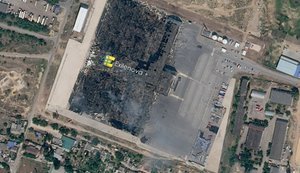
Satellite images are crucial in verifying the extent of damage in Volgograd, providing evidence of the destruction at targeted sites. They offer visual proof that aids both media coverage and strategic military assessments, allowing for informed analysis of the attacks' implications.