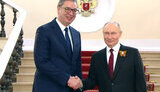
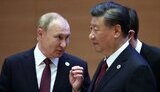
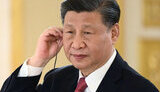
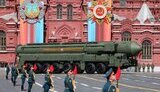
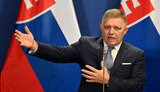
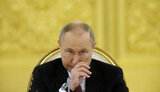
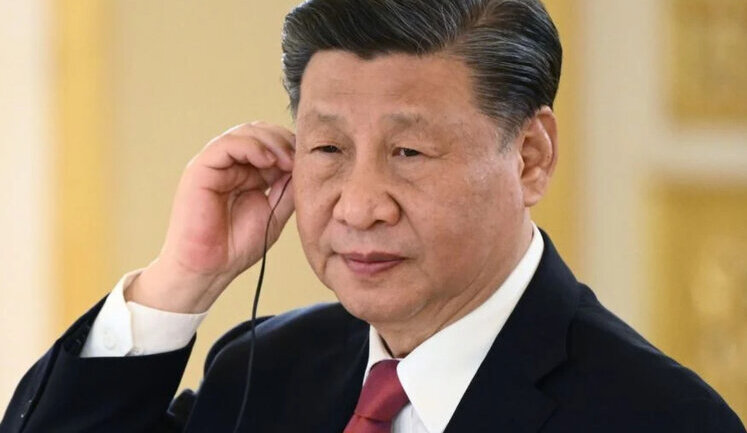
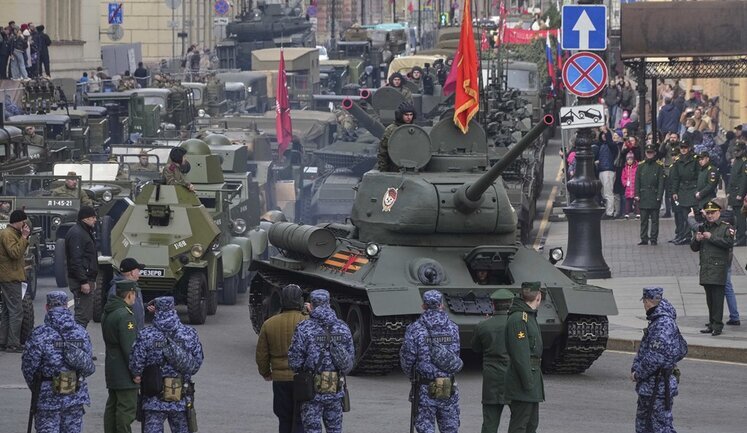
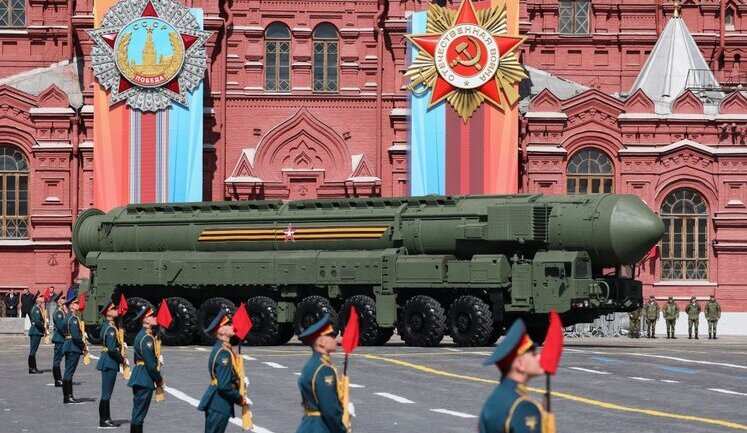
On May 9, Russia marked its Victory Day yet again, drawing significant international attention. Serbian President Aleksandar Vucic visited Moscow, aiming to speed up Serbia's EU accession despite potential EU backlash. Meanwhile, Chinese leader Xi Jinping attended the event, indicating China's continued strategic relations with Russia. The 9th May parade highlighted diplomatic rifts, with EU leaders facing criticism and potential consequences for participating. Additionally, Russia's "Victory 9/45" movement has been identified as a hybrid influence tool aimed at promoting Russian narratives abroad. Such events underscore the prevailing geopolitical complexities in 2025 and the ongoing tension in Europe related to Russia's international actions and Ukraine conflict.
Why is the 9th May parade in Russia controversial internationally?
The 9th May parade is controversial due to Russia's ongoing conflict with Ukraine and the Kremlin's efforts to leverage the event as a propaganda tool. It also implicates global diplomatic relations, especially with EU leaders who face potential backlash for participating in what many view as support for aggressive Russian stances.
What was the main focus of Aleksandar Vucic's visit to Moscow?
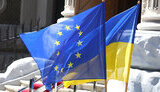
Aleksandar Vucic's visit to Moscow centered on demonstrating Serbia's diplomatic engagements while maintaining its trajectory towards EU accession. Despite visiting Russia for the parade, Vucic emphasized Serbia's commitment to joining the European Union, balancing regional diplomacy with broader strategic goals.
What is the "Victory 9/45" movement mentioned in relation to Russia?
The "Victory 9/45" movement is a propaganda initiative by Russia aimed at asserting historical narratives about World War II victories to exert influence over Europe and other regions. This movement is part of Russia's broader strategy to promote its political objectives internationally through historical commemoration.
How did international leaders respond to Russia's Victory Day celebrations?
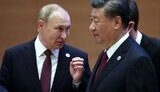
Responses varied widely. Some leaders, such as China's Xi Jinping and Serbia's Vucic, attended, indicating ongoing diplomatic ties with Russia. Conversely, EU leaders faced criticism and were advised against attending due to the geopolitical implications, fueling tensions among international policymakers.
What impact does attending the Moscow 9th May parade have on EU leaders?
Attending the Moscow 9th May parade poses a diplomatic challenge for EU leaders who risk backlash for perceived support of Russian aggression, particularly against Ukraine. Participation can result in political consequences and strained relations within the EU framework, already critical of Russia's recent actions.
How is the Kremlin leveraging May 9 celebrations to influence abroad?
The Kremlin uses the May 9 celebrations to assert a narrative of historical victory and legitimate power, employing events such as the "Victory 9/45" movement to foster influence globally. By framing the parade as a symbol of Russia's contributions during WWII, the Kremlin seeks to strengthen ties with supportive nations while isolating critics.
Why was Serbia's participation in the Moscow parade significant for EU relations?
Serbia’s participation was significant because it represents a diplomatic tightrope, balancing relations with Russia and ambitions for EU membership. Vucic's attendance highlighted Serbia's complex foreign policy, pursuing EU accession while maintaining regional ties and supporting parades that face EU disapproval.
What security concerns surround the May 9 parade in Moscow?
Safety concerns during the May 9 parade arise from potential geopolitical tensions and protests. Ukraine indicated it could not assure the safety of foreign attendees due to the current conflict environment, amplifying diplomatic caution and reluctance among some international participants.
How does the parade impact Russia's domestic reputation?
Domestically, the May 9 parade acts as a tool of nationalism and historical pride, bolstering the regime's image as a defender of Russian heritage and might. It reinforces internal narratives of patriotism, though reactions can be mixed due to broader geopolitical and economic stressors affecting public opinion on Russia's global role.