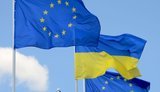
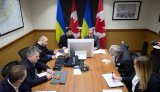
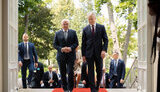
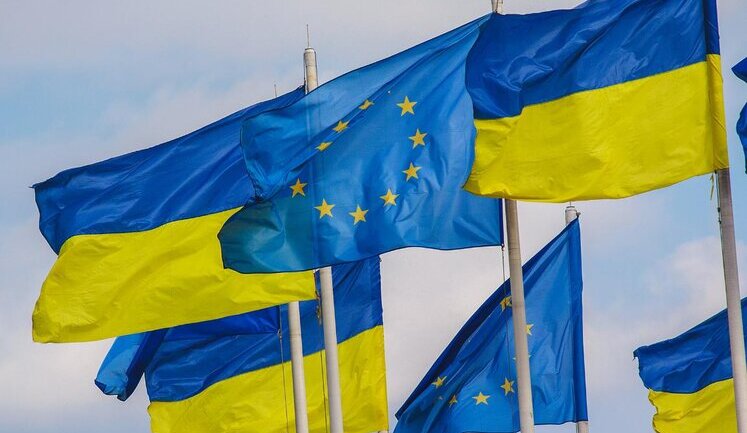
In a turbulent global landscape, the European Union has reaffirmed its dedication to supporting Ukraine in various sectors, including military, financial, energy, and humanitarian aid. During a recent visit to Kyiv, Kaja Kallas, the EU’s High Representative for Foreign Affairs, emphasized Europe's unwavering support for Ukraine amid ongoing tensions with Russia. Kallas highlighted that despite pressing global security challenges, particularly in the Arctic, Ukraine remains a priority for the EU. Europe's decision to allocate 100 billion euros for Ukraine in the upcoming EU budget reflects this commitment. The EU's measures are not just aimed at immediate assistance but also at bolstering Ukraine's long-term resilience and stability.
How is the EU supporting Ukraine financially to counter Russian aggression?
The EU has dedicated substantial financial resources to support Ukraine, including a proposed 100 billion euros in the 2028-2034 EU budget. This allocation is intended for Ukraine's reforms, recovery, and integration. This financial assistance is part of a broader strategy to ensure Ukraine's resilience against Russian aggression, supporting both immediate needs and longer-term stability and growth.
What are the key areas of EU support for Ukraine in 2026?
In 2026, the European Union's support for Ukraine focuses on military aid, financial support, energy security, and humanitarian assistance. The EU aims to help Ukraine counter Russian aggression while maintaining its infrastructure and safeguarding civilians. Key figures like Kaja Kallas emphasize the EU's role in standing with Ukraine through these multifaceted initiatives.
Why is the EU prioritizing Ukraine over Arctic security issues?
Despite the significance of Arctic security, the EU considers the situation in Ukraine more pressing due to the direct threat from Russia. EU leaders prioritize Ukraine's defense as it also strengthens European security. By supporting Ukraine, the EU enhances its own stability, addressing immediate threats while engaging in Arctic security issues when appropriate.
What has been the EU’s stance on Russia's actions in Ukraine?
The European Union has condemned Russia's actions in Ukraine, describing them as state terrorism due to attacks on civilian infrastructure. EU leaders, including Kaja Kallas and European Commissioner Marta Kos, are committed to holding Russia accountable for its aggression, ensuring justice, and supporting Ukraine in facing these attacks.
How do EU diplomatic actions contribute to Ukraine's defense efforts?
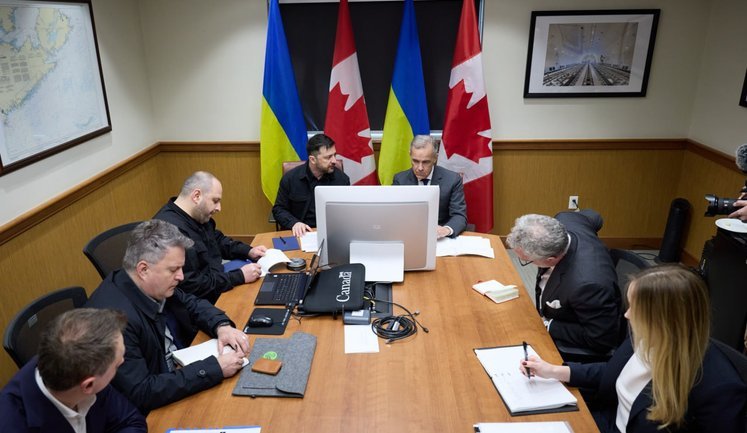
EU diplomatic efforts enhance Ukraine's defense by coordinating international support and solidifying alliances against Russian aggression. Meetings like those in Brussels and London aim to unify EU countries and foster cohesive strategies. Diplomatic engagement ensures Ukraine receives consistent support and the backing required for its defense and recovery.
What is the 'Rearm Europe' plan in relation to Ukraine?
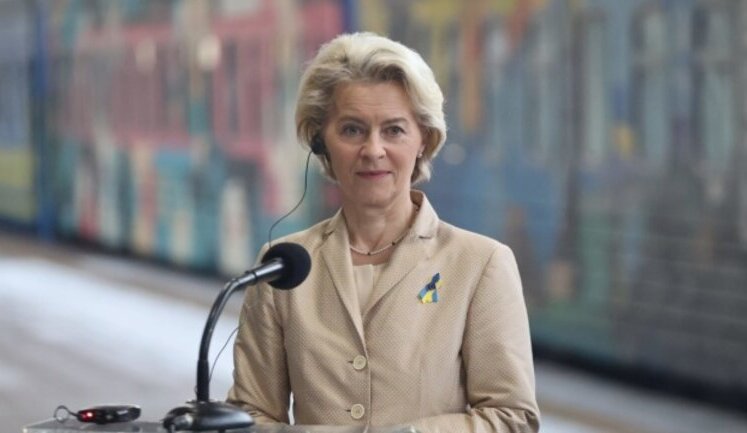
The 'Rearm Europe' plan, advocated by Ursula von der Leyen, involves mobilizing around €800 billion to bolster EU defense capabilities and support Ukraine. This initiative signifies Europe's commitment to ensure continental security by substantially increasing defense spending and aiding Ukraine, reflecting an integrated approach to counter threats.