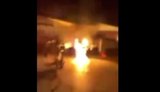
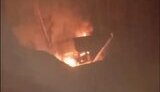
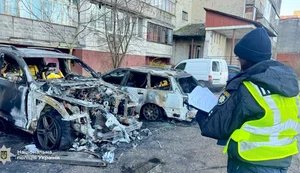
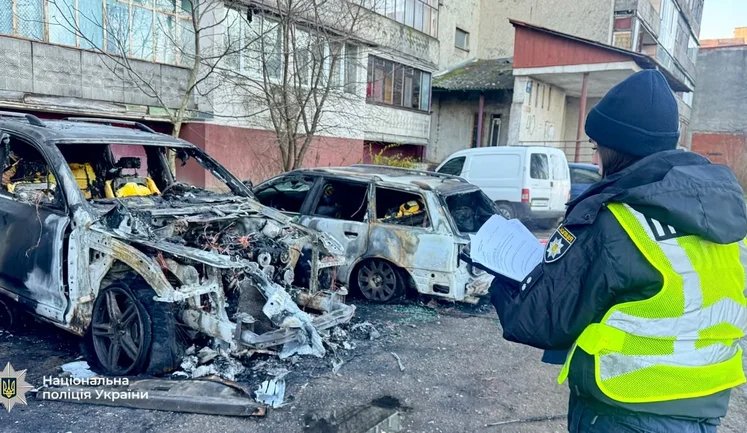
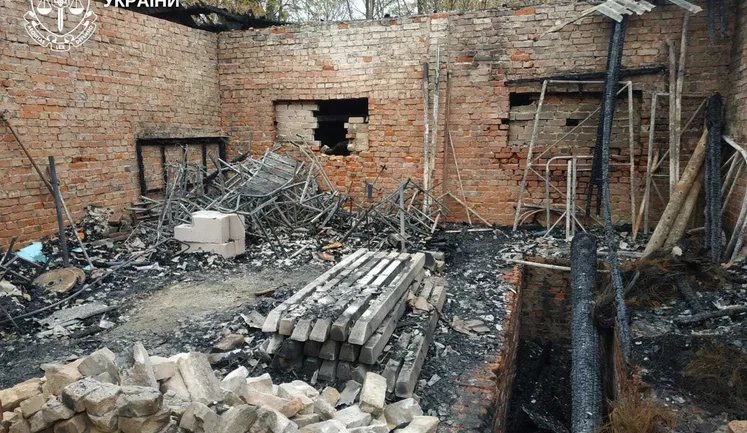
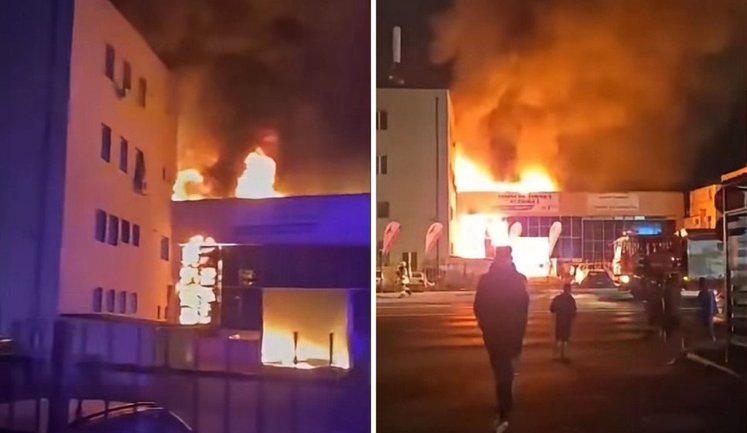
In 2026, several arson attacks involving Russian agents and related sabotage operations have been reported across Europe. In Ukraine, a suspect was detained for an arson attack on a Rivne school building. Another major incident involved a thwarted arson attack at a Romanian defense plant. The Lithuanian Prime Minister indicated Russian involvement in an attempted arson on Starlink facilities. Such activities highlight Russia's ongoing influence and involvement in orchestrating sabotage beyond its borders. Across various regions, including Poland, Slovakia, and Bulgaria, authorities have intervened in numerous arson plots targeting strategic defense and communication installations, reflecting geopolitical tensions.
How are arson incidents linked to Russian agents?
Many arson incidents across Europe and Ukraine have been linked to Russian agents by law enforcement and national security agencies. These actions often involve setting fire to defense facilities, communication infrastructures, and vehicles associated with military operations, highlighting a pattern of sabotage that is coordinated to destabilize and disrupt these regions. Investigations have revealed connections between detained individuals and Russian intelligence or military entities.
What measures are being taken to prevent arson attacks in Ukraine?
Ukrainian law enforcement and security services are actively working to prevent arson attacks by enhancing surveillance, increasing patrols, and fostering international cooperation to share intelligence. The SSU and National Police have been successful in detaining suspects linked to these attacks, which often involve coordination with Russian operatives. These efforts aim to safeguard critical infrastructure, public safety, and military assets in the region.
How significant is the role of sabotage in the ongoing conflict involving Russia?
Sabotage plays a critical role in the ongoing conflict involving Russia, as it serves to undermine the operational capabilities of opposing forces by targeting key infrastructures. These acts of sabotage, including arson, are designed to create chaos, weaken military effectiveness, and deter cooperation among European nations. The strategic importance of such tactics lies in their ability to disrupt logistical and communication networks crucial for national defense.
What impact have arson attacks had on European defense facilities?
Arson attacks have significantly impacted European defense facilities by causing physical damage, disrupting operations, and necessitating heightened security measures. These attacks have targeted critical sites such as defense plants, satellite communication facilities, and military vehicles, leading to precautionary shutdowns and financial losses. The perception of vulnerability has necessitated increased international cooperation to mitigate further threats and ensure the resilience of defense networks.
Are there international collaborations to address arson and sabotage threats?
Yes, international collaborations are increasingly crucial in addressing arson and sabotage threats. Countries across Europe, supported by NATO and other international agencies, are sharing intelligence and resources to identify, prevent, and respond to these threats. Joint training exercises, information exchanges, and coordinated response strategies are part of comprehensive efforts to bolster regional security and deter adversarial actions by state and non-state actors.
What role do security agencies play in counteracting arson plots?
Security agencies play a pivotal role in counteracting arson plots by monitoring suspect activities, investigating sabotage networks, and intercepting planned attacks. Their operations include undercover work, cyber surveillance, and collaboration with international intelligence bodies to dismantle threats before they materialize. These agencies are essential in safeguarding public safety and maintaining regional stability, particularly in conflict-prone areas.
How do arson attacks influence public perception and policy in affected regions?
Arson attacks significantly influence public perception by fostering fear and a sense of insecurity, especially when linked to geopolitical tensions. They compel governments to re-evaluate security policies, increase defense spending, and enhance protective measures for critical infrastructures. The public's response often includes calls for greater transparency and stronger defensive strategies, which influence both domestic policy and international diplomatic approaches.
What have been the consequences for those found guilty of arson attacks?
Individuals found guilty of arson attacks face severe legal consequences, often involving long prison sentences and property confiscation. These legal actions serve as a deterrent and signal the seriousness with which authorities treat sabotage-related activities. Such sentences are compounded by the implications of espionage or treason when attacks are associated with foreign directives, reflecting the high stakes of these offenses in the current security climate.