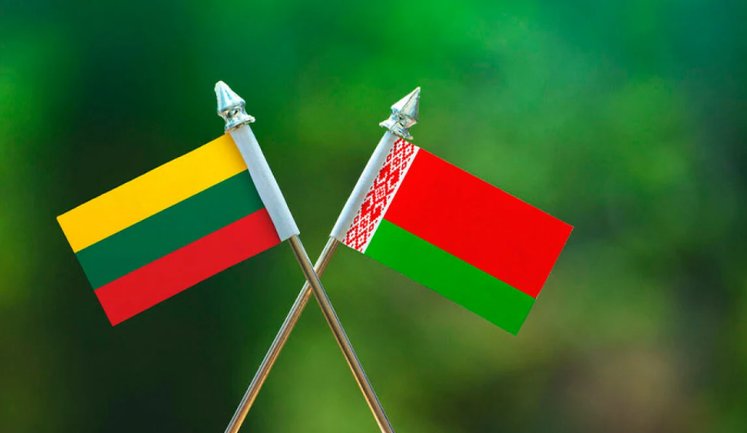
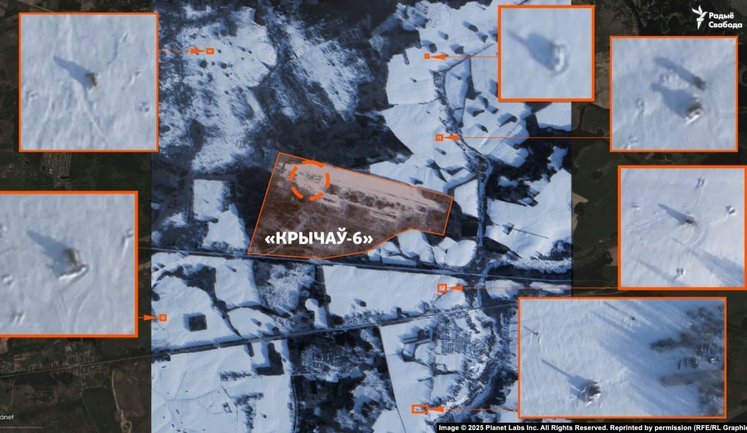
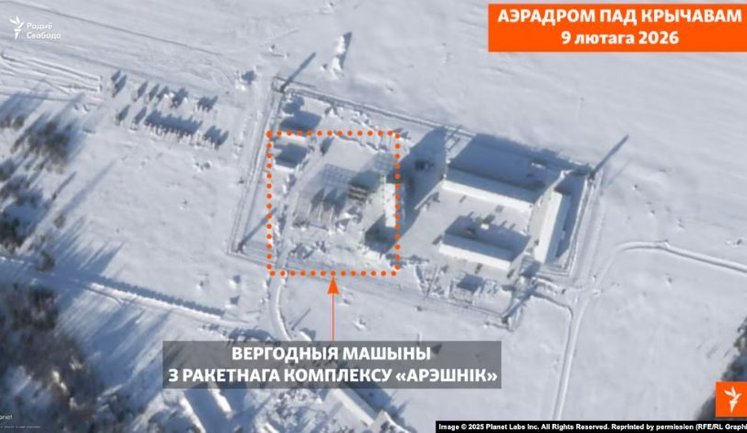
In 2026, Belarus remains at the center of geopolitical tensions, with neighboring countries like Poland and Lithuania taking precautionary measures due to perceived security risks from Belarus. Poland is enhancing its border security by constructing a new barrier, while Lithuania is relocating strategic reserves and pushing for stringent sanctions against Belarusian and Russian entities. The deployment of Russian military assets, such as the Oreshnik missile system, in Belarus amplifies concerns of regional destabilization. Additionally, Belarus engages in complex diplomatic maneuvers, including potential involvement in US-led peace initiatives. These developments underscore Belarus's pivotal role in regional security dynamics.
What measures is Poland taking against Belarus?
Poland is building a new border barrier with Belarus to strengthen its security against potential threats. Additionally, Poland discovered underground tunnels used for illegal activities, enhancing its counter-drone systems on the border.
Why is Lithuania relocating strategic reserves from Belarus border?
Lithuania plans to move its strategic reserves away from the Belarusian border due to rising security concerns. This measure aims to safeguard critical resources amidst geopolitical tensions involving Belarus and Russia.
How does Belarus's military alignment affect international relations?
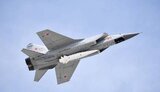
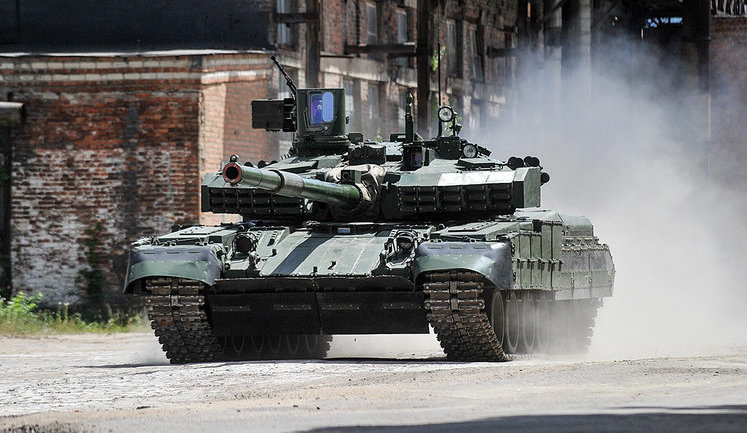
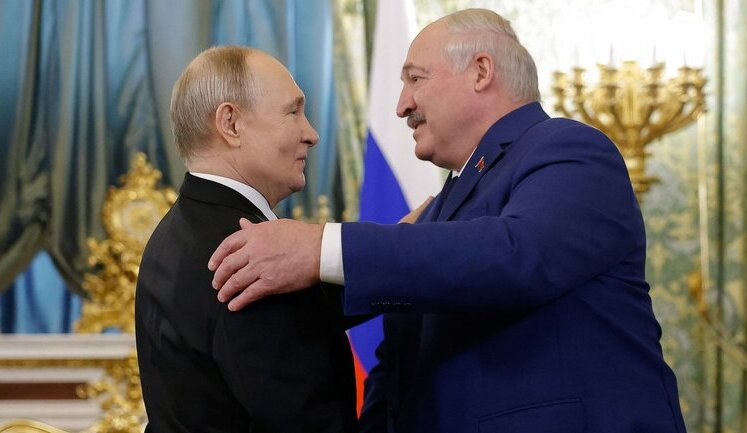
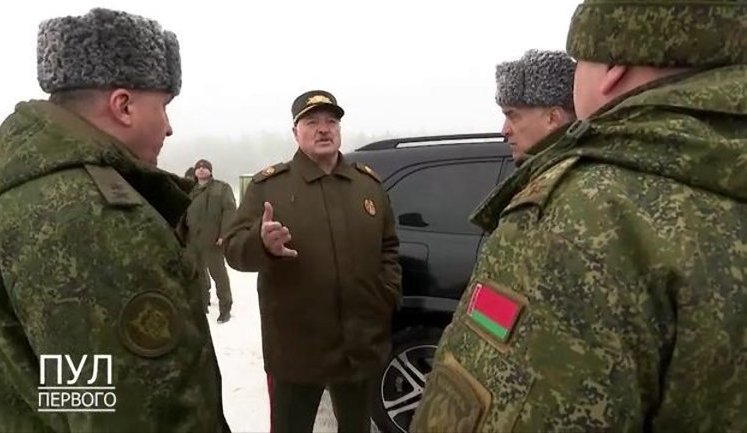
The deployment of Russian military systems in Belarus, such as the Oreshnik missile system, heightens regional tensions. This military collaboration is perceived as a threat by neighboring countries, influencing diplomatic and defensive responses.
Has Belarus faced any international sanctions in 2026?
Yes, Belarus faces expanded sanctions from the EU due to various incidents, including balloon incursions into Lithuania. Lithuania is also advocating for stricter sanctions against Belarusian citizens and entities.
What is the significance of Russia's presence in Belarus?
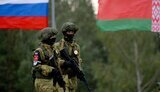
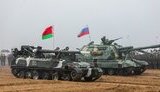
Russia's significant military presence in Belarus, including the deployment of troops and advanced weapons systems, is strategically important for Russia's regional influence and poses security challenges to NATO member states like Lithuania and Poland.
How is Belarus involved in international diplomacy?
Belarus is involved in international diplomacy, with ongoing discussions about its potential role in US-led peace initiatives and release of political prisoners. These efforts reflect attempts to shift Belarus's geopolitical alignment.
Is Belarus participating in any joint military ventures with Russia?
Belarus is engaged in joint military endeavors with Russia, including equipping the Polonez missile complex with nuclear warheads. This collaboration underscores Belarus's deepening military ties with Russia.