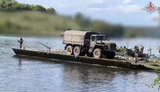
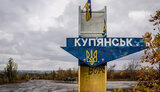
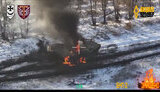
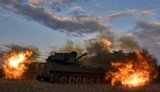
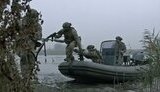
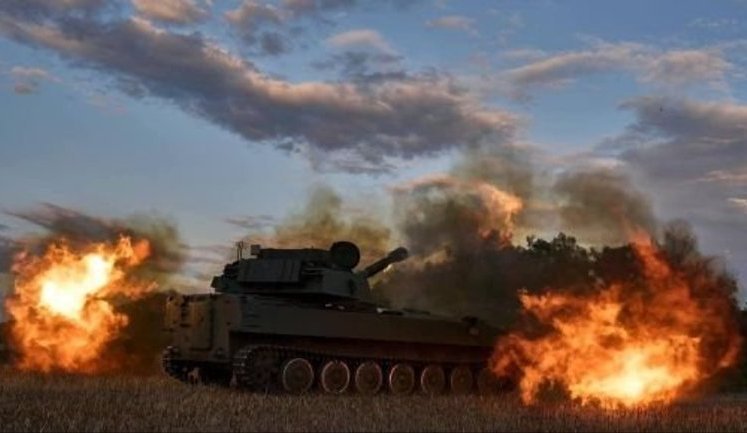
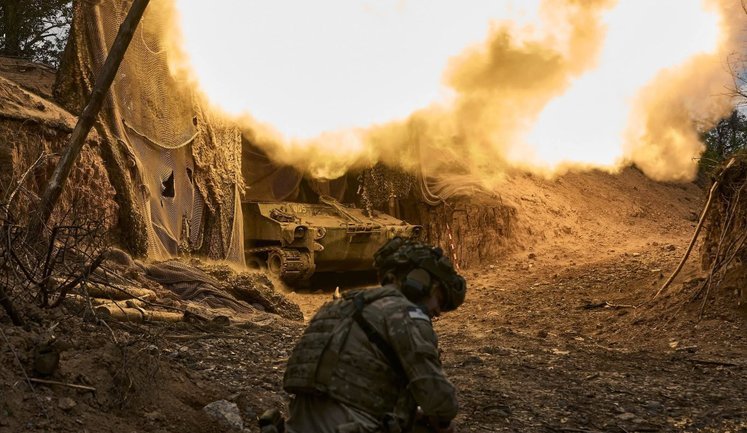
The conflict near the Oskil River in Kupiansk has been a focal point in recent military engagements. Russian troops have been intensifying their efforts to cross the Oskil River and gain a secure foothold on the left bank. Despite persistent attempts, including using a gas pipeline for access, they have faced significant resistance from Ukrainian forces. Ukrainian defenders have maintained their positions, thwarting enemy plans to establish a major crossing over the Oskil. Recent reports indicate that the Russian soldiers remaining in Kupiansk are now heavily encircled, showing the ongoing tactical challenges they face. The struggles to secure the Kupiansk area reveal broader strategic interests and ongoing military tensions in the region.
What are the recent military developments near the Oskil River?
Recent military developments near the Oskil River involve intense efforts by Russian forces to cross the river and establish a strong foothold on its left bank. However, these attempts have faced significant resistance from Ukrainian defenses. The Russians have been using various tactics, such as crossing through gas pipelines, but have not achieved long-term success.
Why is the Oskil River strategically significant in the conflict?
The Oskil River serves as a critical geographical barrier in the ongoing conflict. Control over the river's crossings can determine territorial advantages and influence the mobility of military units, making it a strategically contested point for both Ukrainian and Russian forces aiming to secure dominance in the region.
Have Russian forces made any successful crossings over the Oskil River?
Despite persistent efforts, Russian forces have not managed to permanently secure successful crossings over the Oskil River. While they have made several attempts, Ukrainian defenders have effectively countered these efforts, maintaining control over the river's major crossing points and thwarting enemy advances.
What challenges do Russian troops face near the Oskil River?
Russian troops face significant logistical and tactical challenges near the Oskil River, including effective resistance from well-positioned Ukrainian forces. Their attempts to establish and maintain crucial crossings have been met with robust defensive actions, hindering their strategic objectives in the Kupiansk area.
How have Ukrainian forces responded to the threats along the Oskil River?
Ukrainian forces have effectively fortified their positions along the Oskil River, maintaining robust defenses against Russian advances. They have successfully countered enemy crossings and disrupted ongoing attempts to expand Russian control in the Kupiansk sector, highlighting their strategic resilience in this conflict zone.