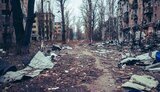
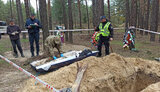
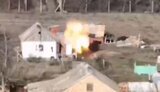
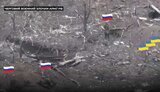
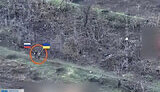
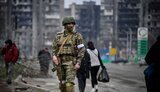
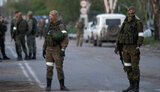
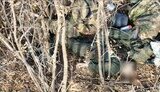
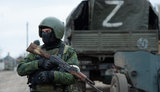
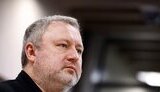
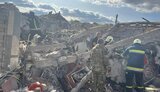
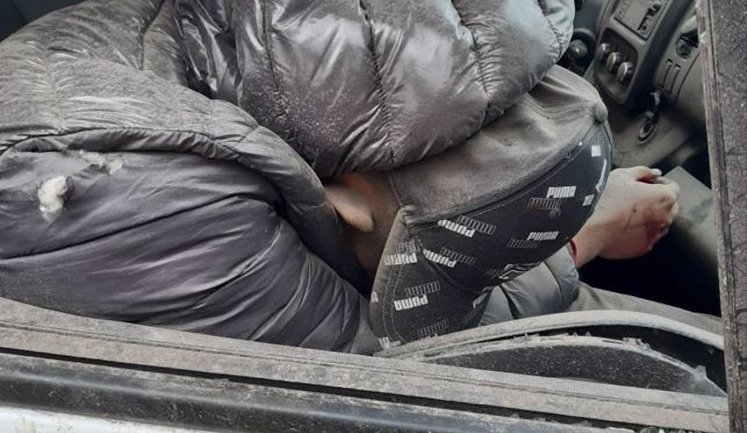
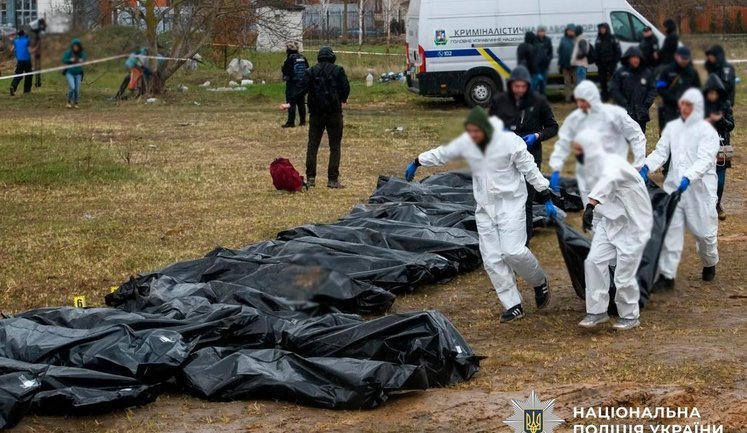
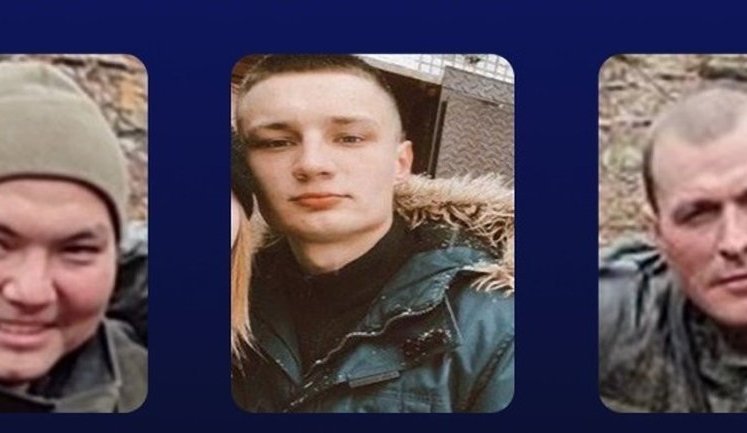
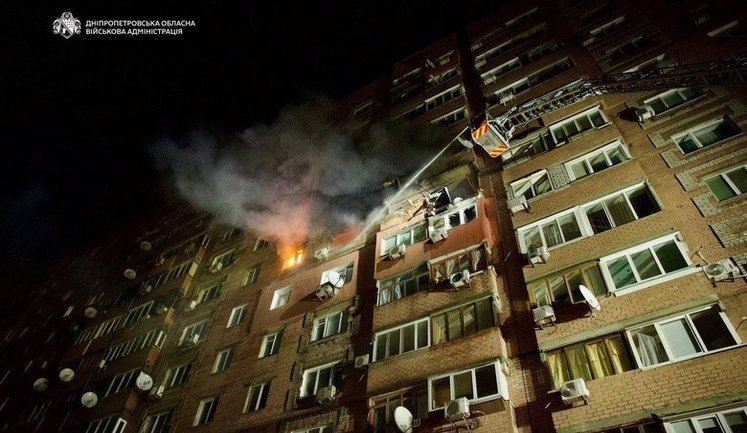
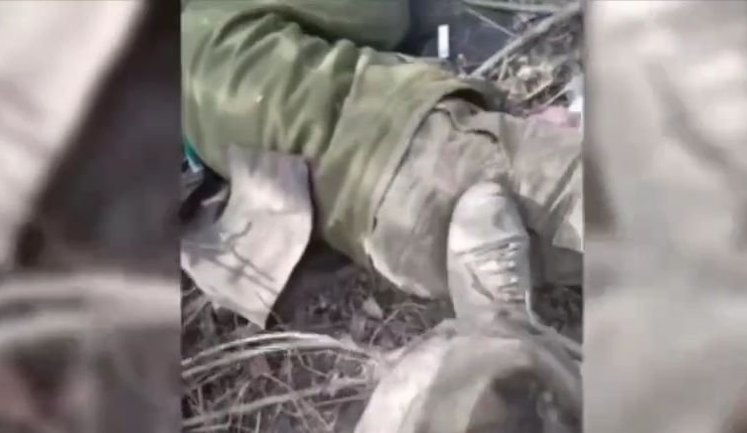
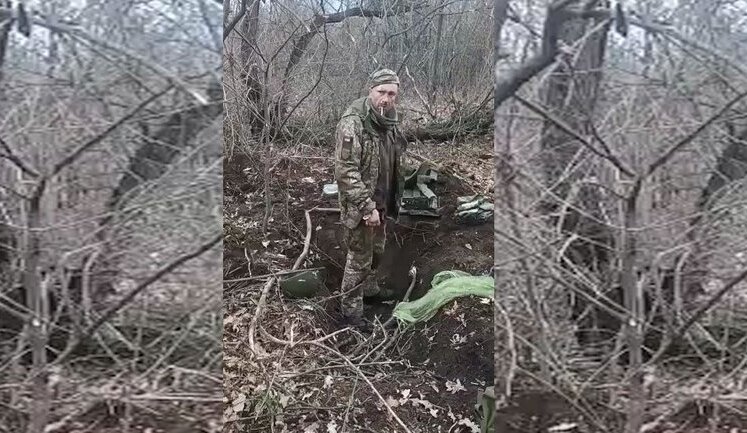
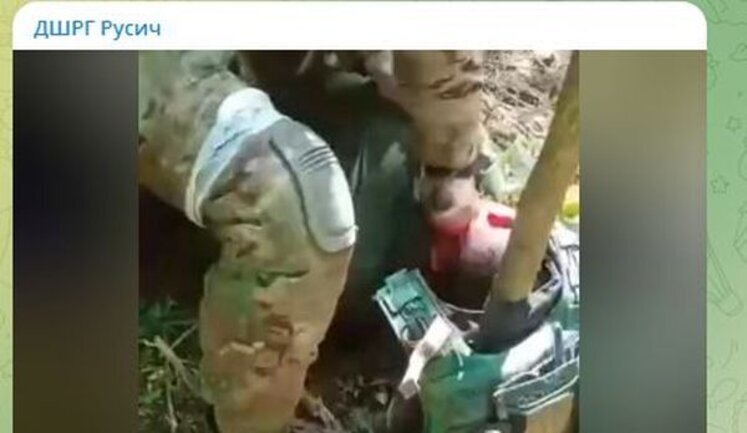
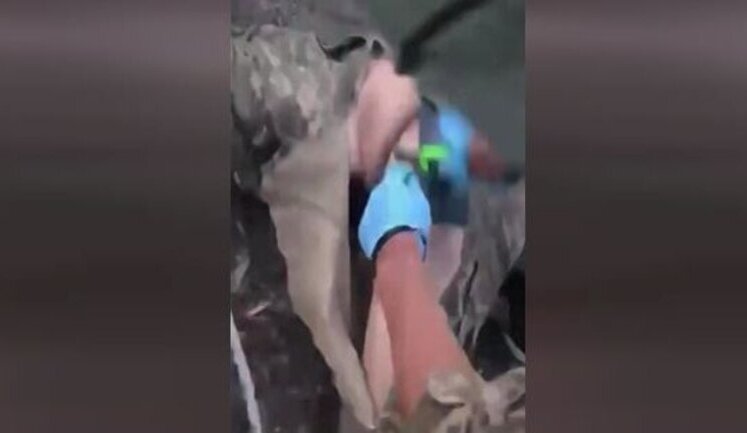
The ongoing investigation and documentation of war crimes in Ukraine have uncovered significant evidence, particularly in locations such as Bucha and Donbas, where atrocities committed by Russian forces have been recorded. Prosecutor General Kravchenko has revealed over 11,000 war crime cases in Ukraine’s districts, emphasizing the importance of holding Russia accountable. The European Union has taken steps by sanctioning individuals linked to these war crimes. Meanwhile, Ukrainian authorities continue to work alongside international bodies to seek justice and potentially establish a special tribunal to address these grievous violations of international law. As of 2026, the number of documented war crimes continues to rise, underscoring the need for international cooperation in addressing these heinous acts.
What actions are being taken to address war crimes in Ukraine?
Several measures are underway to address war crimes in Ukraine, including international sanctions, investigations by Ukrainian authorities, and collaborative efforts with organizations like the UN to document and prosecute these crimes. The creation of a special tribunal to hold Russia accountable has been proposed, underscoring the global commitment to seeking justice and accountability.
Who is responsible for the war crimes committed in Bucha?
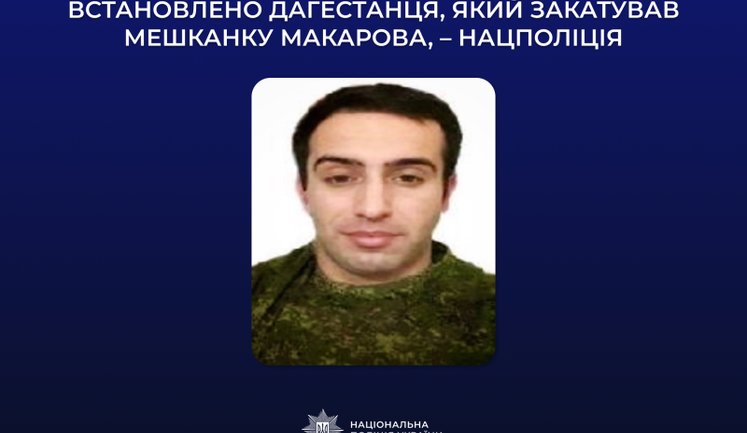
Investigations have identified multiple Russian military personnel as being responsible for war crimes in Bucha. Specific officers and suspects have been charged, and several have been sanctioned by entities like the European Union as part of the ongoing efforts to hold perpetrators accountable.
Has any international body described Russia's actions in Ukraine as war crimes?
Yes, the UN International Commission has recognized actions such as the deportation of Ukrainian children as crimes against humanity and war crimes. This designation reflects the gravity of these acts and the need for stringent international response and accountability mechanisms.
How many war crimes have been documented in Ukraine since the invasion?
As reported by Ukrainian authorities, over 190,000 war crimes have been documented since the full-scale invasion. These figures are a testament to the widespread nature of the alleged crimes and the ongoing efforts to document and prosecute these violations systematically.
Have any Russian military personnel been punished for war crimes in Ukraine?
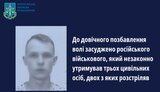
Yes, some Russian military personnel have been identified, charged, and even sentenced for their involvement in war crimes in Ukraine. A few have faced life imprisonment, while others remain under investigation, illustrating the pursuit of justice by Ukrainian and international legal entities.
What role has the European Union played regarding war crimes in Ukraine?
The European Union has been instrumental in sanctioning individuals linked to war crimes in Ukraine. These measures are part of a broader international effort to exert pressure on those responsible and to underscore the serious repercussions of committing violations against international law.