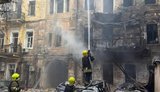
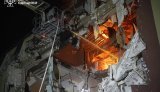
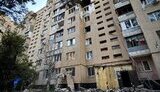
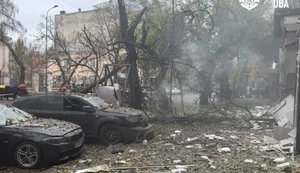
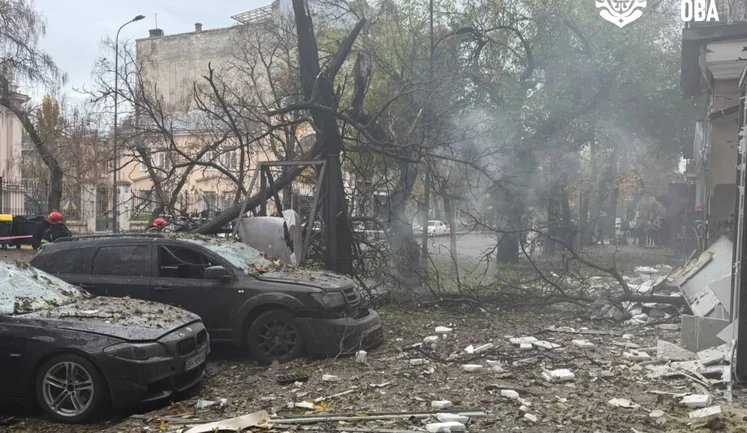
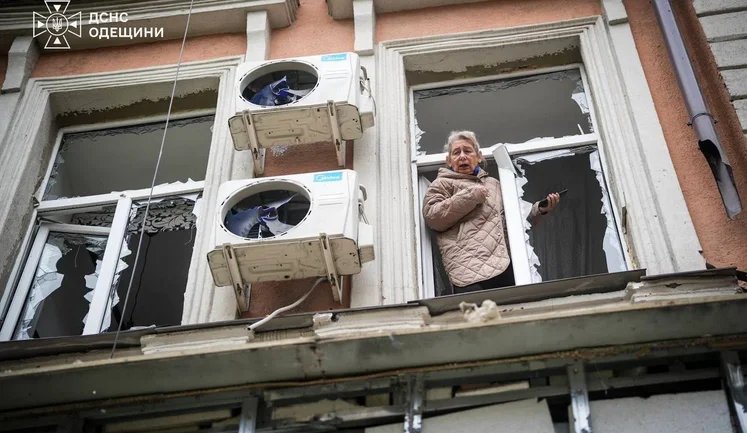
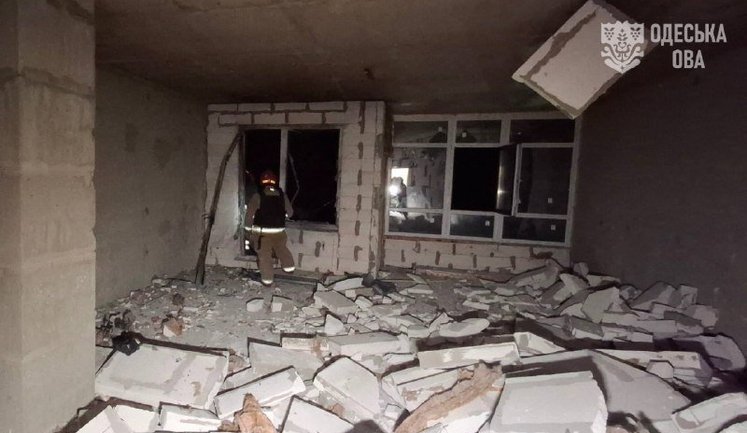
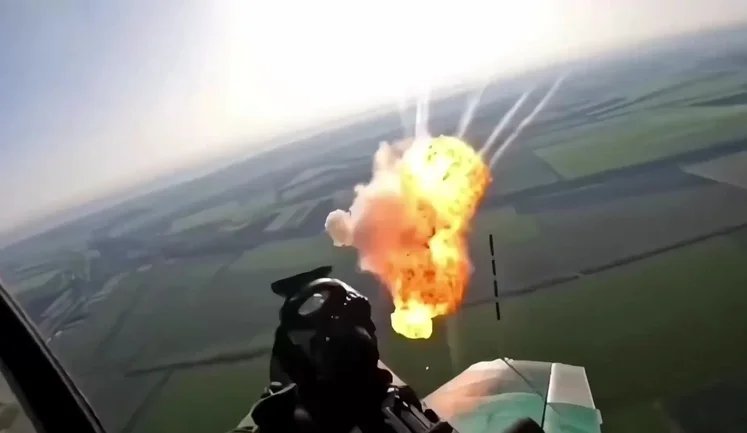
The recent UAV attack on Odesa marks another grave escalation in the ongoing conflict, with Russian forces striking key areas in the city. The center of Odesa suffered significant damage, resulting in four deaths and multiple injuries. Residential buildings and educational institutions are among the affected sites. In response, Ukrainian forces have actively engaged Russian UAVs, achieving effective drone interceptions over the Odesa region. Efforts to clear and recover from this attack are underway, with assistance being provided to victims. President Zelenskyy condemns the attacks, reiterating that negotiating peace cannot coexist with such violence. The situation remains tense as both military and civilian infrastructures are targeted, highlighting the ongoing risks faced by the Odesa region.
What was the impact of the UAV attack on Odesa?
The UAV attack on Odesa resulted in substantial destruction, striking central areas, including residential buildings and educational institutions. The impact was devastating, leading to the death of four individuals and injuring several others. The damage adds to the ongoing challenges faced by residents and emergency responders.
How is Ukraine responding to the UAV attacks?
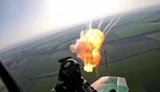
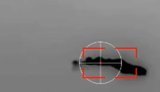
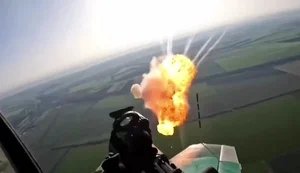
Ukraine's response involves a defensive strategy in which military forces, including the 11th Army Aviation Brigade, actively intercept Russian UAVs. Notably, the use of Yak-52 aircraft is proving effective in countering these aerial threats, boosting defense capabilities in the region.
What statements have been made by Ukraine regarding the attack on Odesa?
President Zelenskyy strongly condemned the attacks on Odesa. He emphasized that parties seeking peace should focus on de-escalation rather than escalating violence. His statement underscores the need for a cessation of hostilities as a path toward peace.
What are the challenges faced by emergency services in Odesa?
Emergency services in Odesa are grappling with significant challenges following the UAV attacks. These include managing evacuation procedures for injured residents, extinguishing fires, and addressing infrastructure damage. Ongoing efforts aim to stabilize the affected regions and support those impacted.
Are there any international reactions to the UAV attack on Odesa?
The international community has reacted with concern to the UAV attack on Odesa. Various nations and organizations have issued statements condemning the aggression and calling for an immediate halt to hostilities. These responses reflect the broader implications of the attack on regional stability and international peace efforts.
What preventive measures are being taken to protect Odesa?
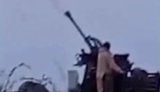
Preventive measures in Odesa include heightened air surveillance and the deployment of interceptor drones by the National Guard of Ukraine. These strategies aim to neutralize incoming threats from Russian UAVs proactively, reinforcing the city's defenses and minimizing potential damage.
How is the civilian population in Odesa affected by these attacks?
The civilian population in Odesa is enduring significant hardships due to these UAV attacks. Many residents face threats to their safety and property, resulting in displacement and casualties. The constant threat of attacks severely impacts the daily lives of these civilians, creating an atmosphere of fear and uncertainty.
What kind of UAVs are being used in attacks on Odesa?
The attacks on Odesa have predominantly involved strike drones, including Shahed-type UAVs. These drones are part of a broader strategic deployment by Russian forces intended to target vital infrastructure and civilian sites, exacerbating the humanitarian crisis in the region.
What forms of assistance are available to those affected in Odesa?
Assistance to those affected in Odesa includes emergency medical care, temporary shelter for displaced persons, and psychological support services. Additionally, local and international humanitarian aid organizations are actively involved in providing essential supplies and recovery aid.
Why is Odesa a significant target for Russian forces?
Odesa is strategically significant due to its location as a major port city on the Black Sea, offering valuable access routes for trade and military operations. Russian forces target Odesa to disrupt Ukrainian operations, undermine morale, and exert pressure on Ukrainian defense capabilities.