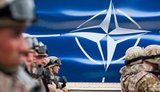
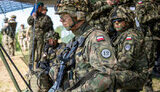
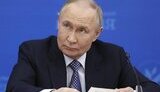
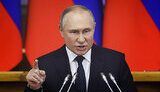
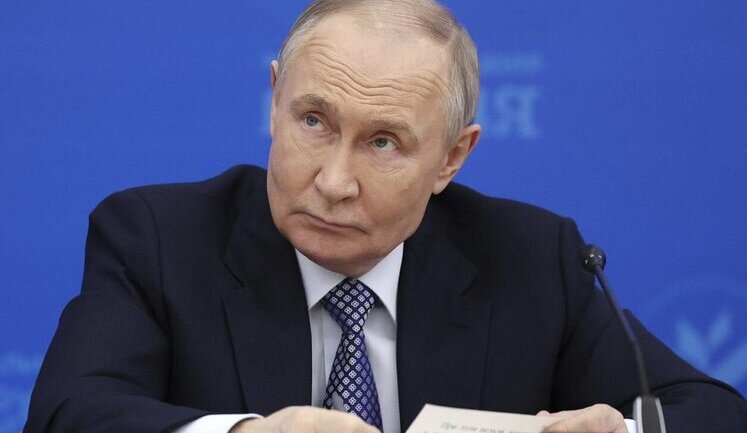
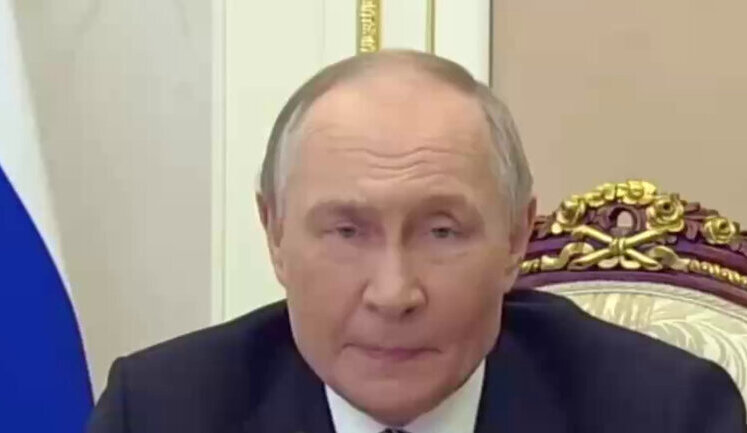
Amidst ongoing tensions between Russia and NATO, speculation about a potential attack on NATO countries is intensifying. Military leaders within the Alliance have not ruled out the possibility of Russian aggression by 2029, despite assurances from officials like NATO Secretary General Mark Rutte. Rutte has emphasized that NATO's current strength is a deterrent against any Russian action, but concerns linger about hybrid threats and military buildup. Recent statements from Russian officials dismissing these concerns as irresponsible only fuel the debate. European nations are reinforcing their defenses and strategizing comprehensive responses. The complex geopolitical landscape poses challenges to diplomatic efforts in the region, compelling NATO members to maintain vigilance and preparedness.
Why is there concern about Russia attacking NATO countries?
There are concerns about Russia potentially attacking NATO due to increased military activities, rhetoric from leaders about possible aggression, and intelligence indicating possible preparations for such actions. These tensions are compounded by ongoing conflicts in Ukraine and strained relations between Russia and Western countries.
What are NATO's plans if Russia attacks?
If Russia attacks a member state, NATO plans to respond decisively with its full military capabilities. This has been reiterated by officials such as NATO Secretary General Mark Rutte, who emphasized that the Alliance's response would be devastating to deter any aggression from Russia.
What is Russia's stance on a potential attack on NATO?
Russian officials have repeatedly dismissed the idea of attacking NATO as baseless. Leaders, including President Vladimir Putin, have labeled such allegations as lies, asserting that Russia has no immediate plans to engage in military action against the Alliance.
How are European countries preparing for a potential Russian attack?
European countries are enhancing their military readiness, fortifying borders, and cooperating with NATO to ensure a unified defense strategy. Nations like Lithuania and Poland are particularly vigilant, preparing for possible scenarios of aggression where Russia could test NATO's resolve.
Is Russia capable of launching a significant attack on NATO?
While experts acknowledge that Russia has the military capability to launch an attack, many believe that the likelihood of such an action is tempered by NATO's deterrence measures. However, there remains a risk of limited or hybrid attacks, which continue to be areas of concern for the Alliance.
What role does diplomacy play in mitigating Russia-NATO tensions?
Diplomacy is critical in addressing and de-escalating tensions between Russia and NATO. Despite the challenges, ongoing diplomatic efforts seek to establish dialogue, reduce the risk of miscalculations, and find peaceful resolutions to geopolitical issues, underscoring the importance of maintaining communication channels.
How does the conflict in Ukraine influence NATO's strategy?
The conflict in Ukraine significantly influences NATO's strategy as it underscores the threat posed by an assertive Russia. The situation has led to increased NATO presence in Eastern Europe, closer cooperation among member countries, and ongoing support for Ukraine to resist Russian aggression while highlighting the necessity for NATO's operational readiness.