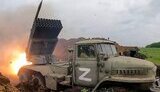
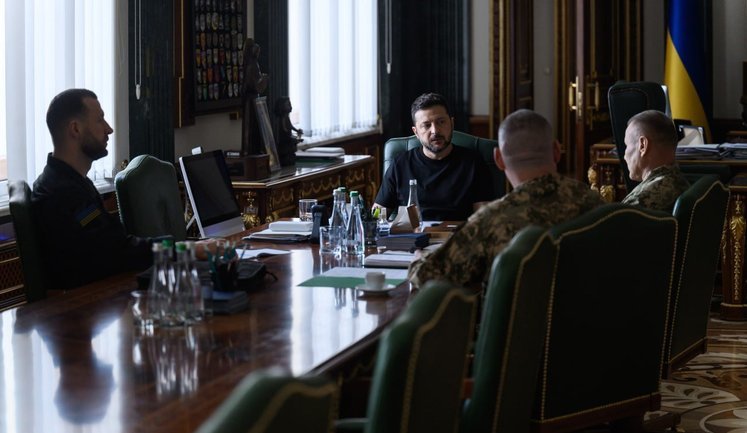
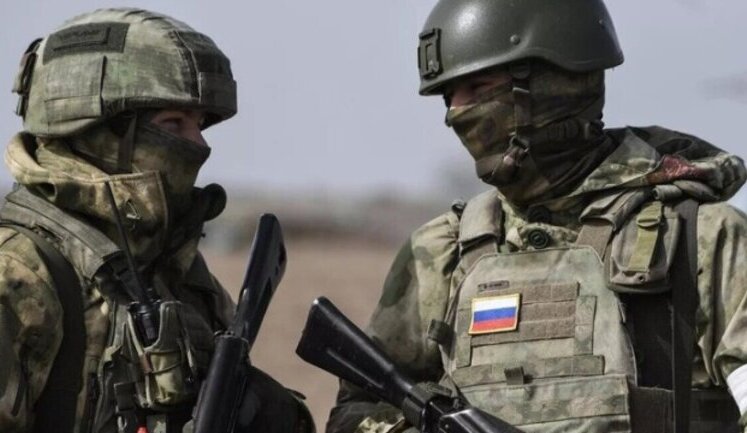
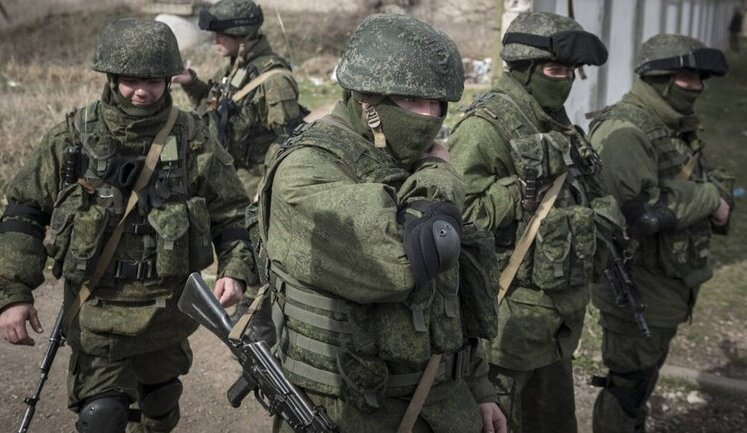
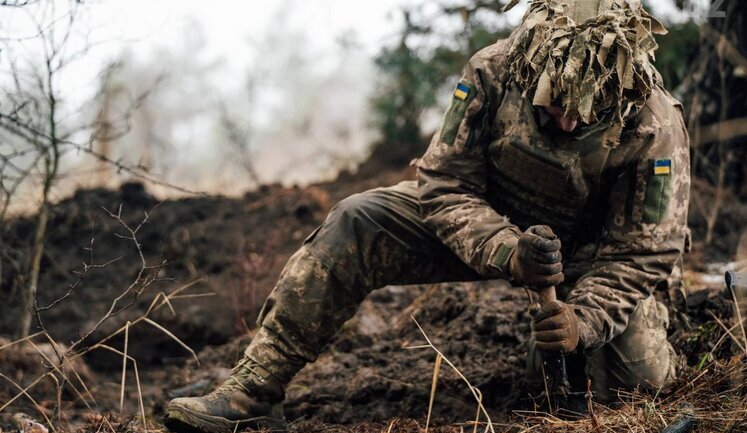
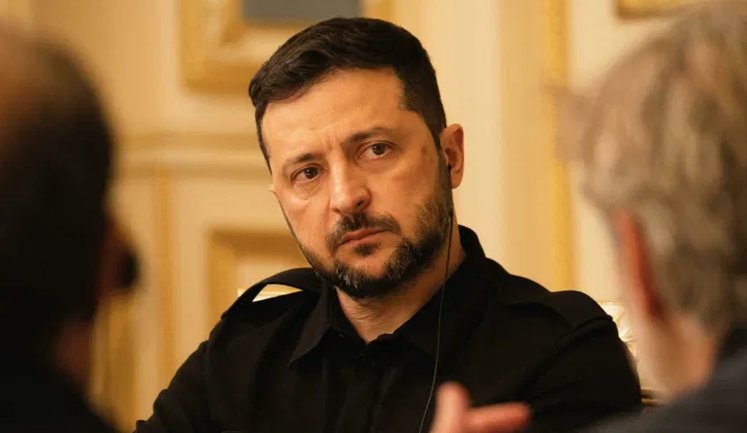
The prospect of a new Russian offensive in Ukraine looms large as reports indicate significant troop redeployments and strategic planning by Moscow. Russian marines have been shifted to the Huliaipole direction, signaling a potential escalation of conflict in this region. Amidst these developments, Ukrainian President Volodymyr Zelenskyy has highlighted the enemy's failed attempts to launch offensives due to mismatched front line realities. Despite plans to occupy the Donetsk and Zaporizhzhia regions by March 2026, Ukrainian Defense Forces have effectively thwarted these efforts. Russia continues to showcase ambitions of territorial expansion, yet faces formidable resistance from Ukraine's robust defense strategies. As the international community watches closely, the unfolding military maneuvers are set to redefine the dynamics of the ongoing conflict.
What regions are targeted by the Russian offensive?
Russia is focusing its offensive efforts on the Donetsk and Zaporizhzhia regions, particularly targeting areas such as Pokrovsk-Dobropillia, Huliaipole-Ternuvate, and Stepnohirsk. The intention is to solidify control and expand territorial gains, creating strategic pathways to other regions.
How has Ukraine responded to Russia's offensive plans?
Ukraine, under the leadership of President Volodymyr Zelenskyy, remains vigilant and proactive in defense initiatives. The Armed Forces of Ukraine have successfully thwarted multiple Russian offensives by leveraging intelligence, tactical fortifications, and international support, maintaining territorial integrity despite increasing pressures.
Does Russia have the necessary capacity for a large-scale offensive?
There are significant doubts about Russia's capacity to launch large-scale offensives as planned. Reports indicate logistical mismatches, overstretched resources, and resilient Ukrainian defenses, which have collectively hindered Russia’s ability to achieve decisive breakthroughs in their planned campaigns.
What is the significance of the Huliaipole direction?
The Huliaipole direction is strategically significant due to its geographic positioning, which offers potential control over critical junctions and supply routes. Reinforcement in this area suggests a concerted effort by Russian forces to gain operational leverage and maintain momentum in southern Ukraine.
How is the international community responding to these developments?
The international community, particularly Western nations, is closely monitoring the situation with heightened concern. Diplomatic engagements and discussions about possible responses, including sanctions and military support to Ukraine, are ongoing to address and contain Russian aggression effectively.
What impact do these offensives have on peace talks?
The intensification of Russian offensive operations significantly undermines ongoing peace talks. The aggressive military posture and hostile actions by Russian forces create a challenging environment for negotiations, pushing prospects for a ceasefire further away and reinforcing the need for a military resolution.
How do the logistical issues affect Russia's offensive strategy?
Logistical hurdles, such as equipment shortages, supply chain disruptions, and mismatched battle maps, seriously impede Russia's offensive capabilities. These issues lead to delays, operational inefficiencies, and diminished morale among troops, complicating Moscow's strategic objectives in the conflict.
What role do military training grounds play in Russia's preparation?
Russian military training grounds are crucial for rehearsing and preparing troops for impending offensives. By utilizing these facilities, Russia aims to train reserves, fine-tune strategies, and bolster readiness levels among its units, facilitating renewed efforts to achieve territorial gains in Ukraine.