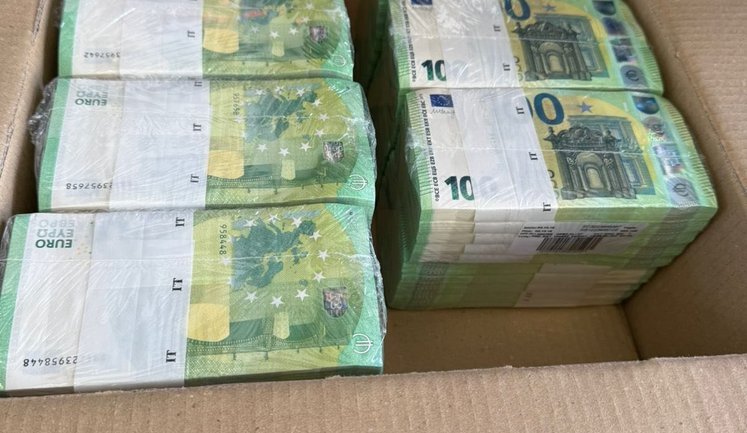
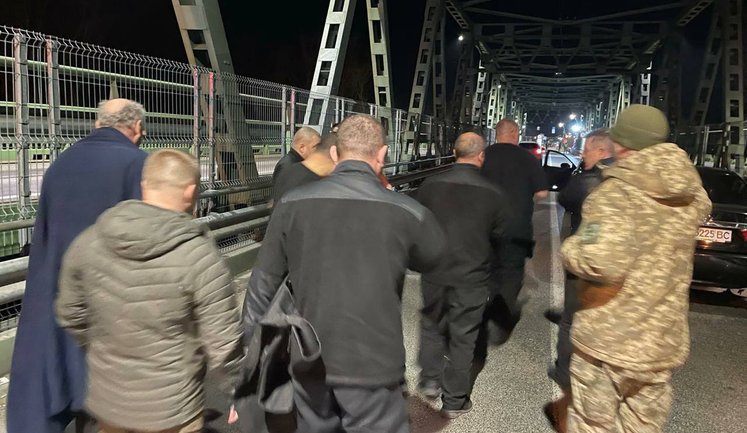
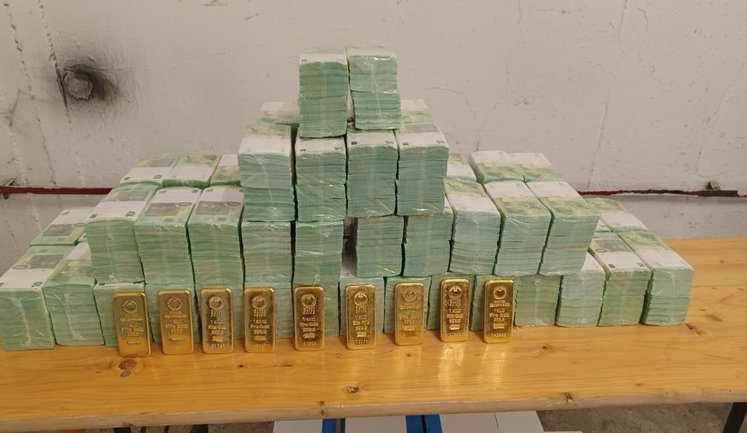
The recent detention of Ukrainian Oschadbank’s vehicles by Hungarian authorities has heightened tensions between the two countries. The vehicles, vital for cash-in-transit operations, were seized damaged and returned empty, leading to significant international concern regarding currency stability within the EU. ECB chief Christine Lagarde highlighted the potential threat to the EU's currency while Ukrainian President Zelenskyy condemned the actions as banditry. Despite diplomatic efforts including the summoning of the Hungarian ambassador and legal responses by Oschadbank's management, the cash and valuables remain detained. This ongoing situation continues to escalate, affecting both diplomatic relations and economic stability.
What is the main issue between Hungary and Ukraine regarding Oschadbank?
The primary issue involves the detention by Hungary of Ukrainian Oschadbank’s cash-in-transit vehicles, along with seizing cash and gold. This has resulted in diplomatic tensions, as Ukraine views these actions as unwarranted and posing a threat to financial and regional stability.
Why did Hungary detain Oschadbank cash-in-transit vehicles?
Hungary claims the seizure of Oschadbank’s vehicles is for legal investigations. However, these actions are viewed by Ukraine as unjustified, with allegations from the Hungarian side about links to a so-called "Ukrainian military mafia," which Ukraine categorically denies.
How has the seizure of Oschadbank vehicles affected EU currency stability?
According to ECB President Christine Lagarde, the detention poses a threat to EU currency stability due to the disruption of financial operations integral to the economic flow between Ukraine and EU countries, highlighting the broader implications of the incident.
What has been Ukraine's response to Hungary's actions against Oschadbank?
Ukraine has reacted strongly by summoning the Hungarian ambassador, condemning Hungary’s actions as banditry, and demanding the immediate release of its workers and assets. Ukrainian authorities perceive these actions as provocations affecting bilateral relations.
Have the detained Oschadbank workers been released from Hungary?
Some of the detained workers have been released and returned to Ukraine, as announced by Ukrainian officials. However, there are ongoing diplomatic and legal efforts to secure the release of all personnel and the detained assets, underlining the complexity of this diplomatic incident.
What legal steps is Oschadbank taking in response to the detentions?
Oschadbank has dispatched legal representatives to Hungary to challenge the detention. The bank is deploying lawyers to navigate the judicial landscape in an effort to secure the release of its goods and workers, stressing the unlawful nature of the seizure according to Ukrainian and international observers.
How has the situation impacted Ukraine and Hungary relations?
The detentions have significantly strained relations between Ukraine and Hungary, leading to diplomatic protests, heightened scrutiny on mutual agreements, and potential impacts on cooperative economic ventures, further deepening regional unrest.
What are the broader geopolitical implications of the Hungarian detention of Oschadbank assets?
This incident heightens geopolitical tensions in Eastern Europe, raising questions about Hungary's motivations and alliances. It also challenges EU's unity and security, as financial security is a core concern for regional and international stakeholders.