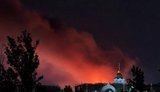
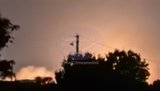
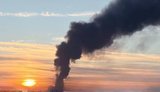
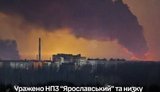
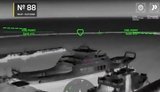
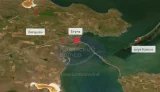
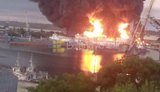
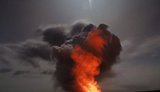
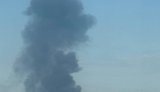
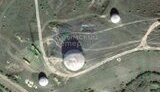
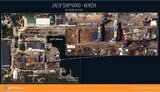
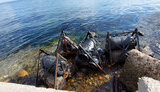
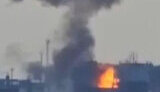
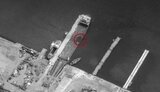
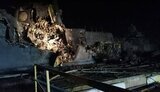
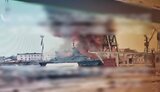
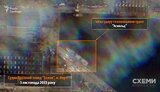
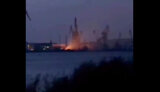
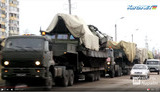
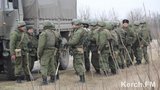
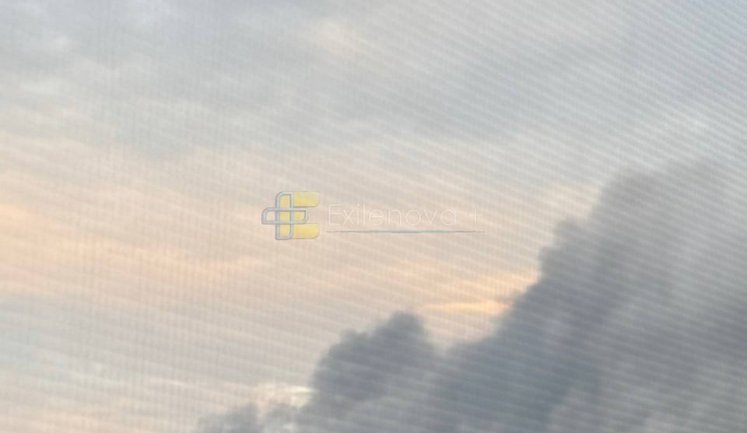
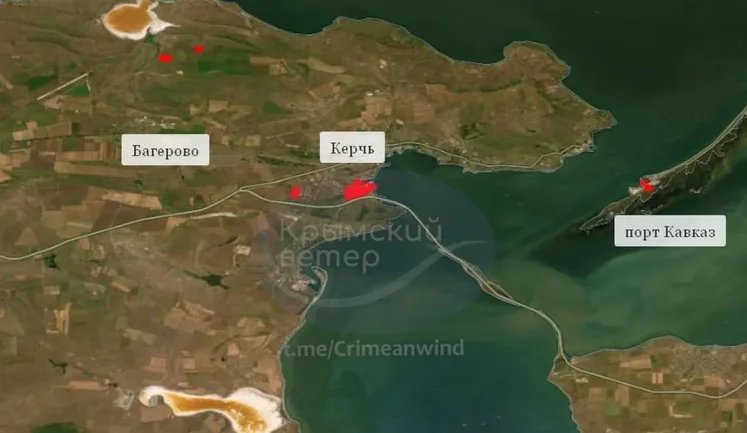
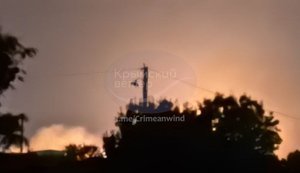
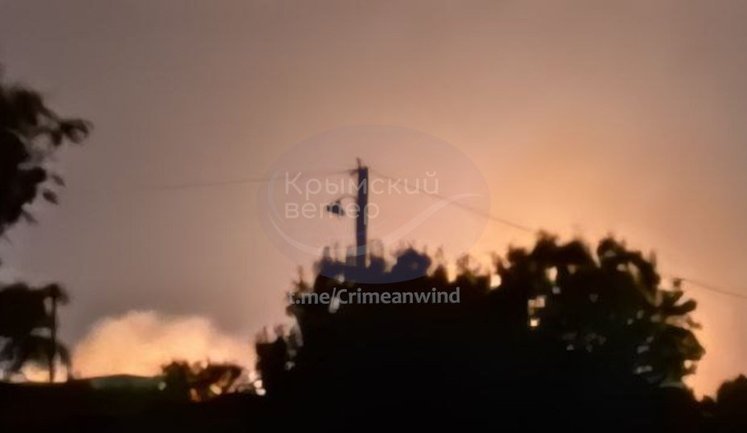
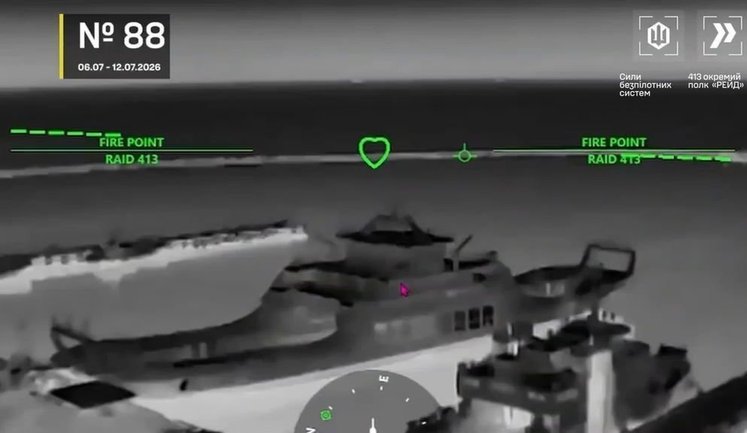
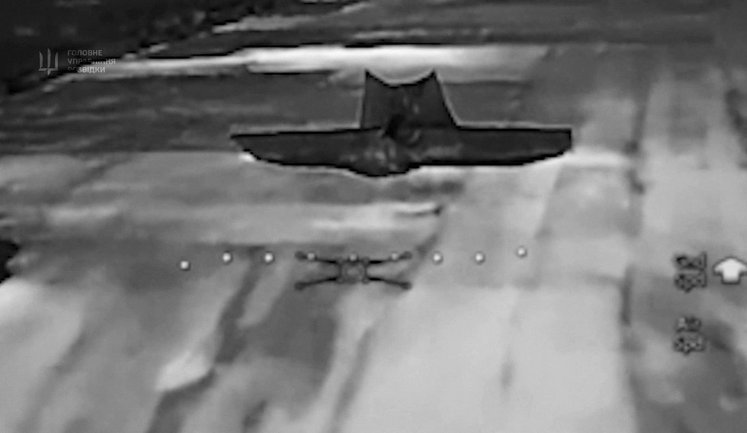
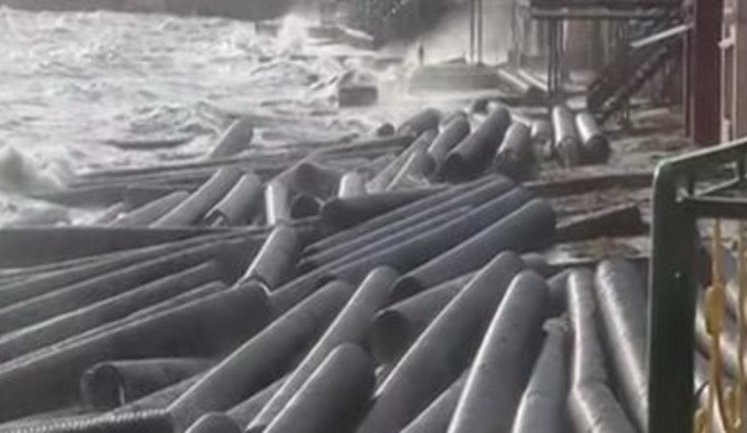
The Kerch region remains a strategic focal point due to its military and logistical significance in the ongoing conflict between Ukraine and Russia. In recent operations, Ukrainian forces carried out a series of strikes targeting Russian military vessels, logistics infrastructure, and oil depots. Notably, the Special Operations Forces targeted the port of Kerch and surrounding facilities, dealing significant blows to strategic assets including oil depots and ferry logistics vital for sustaining Russian forces in Crimea. Such attacks underscore Ukraine's strategy to destabilize the war effort on occupied territories.
Why is Kerch a significant target in the conflict?
Kerch holds strategic importance due to its control over military logistics and infrastructure in occupied Crimea. Its port facilities are vital for moving supplies and personnel, making it a frequent target in military operations.
How have recent attacks in Kerch affected military logistics?
Recent strikes have disrupted military logistics by targeting key assets such as the Kerch port, oil depots, and ferry facilities. These attacks have hindered the flow of supplies and troops, posing challenges to Russian military operations.
What were the primary targets of the Ukrainian strikes in Kerch?
The primary targets included military vessels, oil depots, ferry logistics facilities, and support infrastructure. These targets were strategically chosen to impair the Russian military's capabilities and logistical operations in the region.
What impact have the Kerch strikes had on Russian military operations?
The strikes have had a significant impact, causing logistical setbacks for Russian forces. Damage to vessels and fuel depots has limited operational mobility, while the destruction of logistical hubs has strained supply lines in the occupied territory.
Are there civilian impacts from the military operations in Kerch?
Civilian impacts are inevitable in military operations. However, the focus on military and logistics facilities aims to minimize civilian casualties. Still, disruptions and tensions remain for the civilian populace in occupied areas.