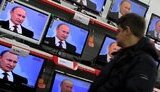
Ukraine continues its fight against misinformation by banning an additional nine Russian media services, which aligns with ongoing measures to safeguard national information space. This decision is part of a series of steps aimed at curbing foreign media influence and preventing the dissemination of propaganda. The move reflects an intensified effort to control the narrative in Ukraine and ensure that media content aligns with national interests. International and local media have focused on this development, highlighting its significance in the broader context of international media relations and national security strategy.
What has led to the ban on Russian media services in Ukraine?
The ban on Russian media services in Ukraine has been instigated as part of efforts to combat misinformation and propaganda. The Ukrainian government considers these services as tools for foreign influence, potentially destabilizing the nation’s information security. This action aims to protect Ukrainian citizens from misleading narratives and preserve the integrity of the media landscape.
How does Ukraine manage foreign media influence?
Ukraine employs a combination of policy measures and legislation to manage foreign media influence. This includes banning certain media outlets, scrutinizing foreign media flows, and cooperating with international allies to build a resilient information space. These efforts are intended to maintain Ukrainian sovereignty and information discipline amidst geopolitical tensions.
What impact does media banning have on freedom of speech?
The banning of specific media services, especially those identified as propagandistic, presents a nuanced challenge to freedom of speech. While it aims to eliminate harmful misinformation, the approach must carefully balance between preventing illicit influence and upholding democratic principles that include freedom of expression for media outlets.
Why are Russian media services regularly targeted for bans?
Russian media services are often targeted for bans due to their perceived role in spreading propaganda and misinformation related to geopolitical conflicts, particularly in Eastern Europe. Such media outlets are often seen as extensions of the Russian state's information strategy, posing threats to national security and public perception in countries like Ukraine.
How does international media view Ukraine’s media policies?
International media views Ukraine's media policies through a complex lens, acknowledging the country's need to protect its information environment while also critiquing the potential implications for media freedom. Global media often reports on these actions within the context of Ukraine's geopolitical challenges and efforts to resist Russian aggression.