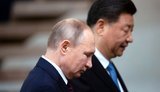
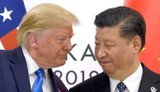
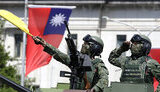
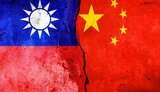
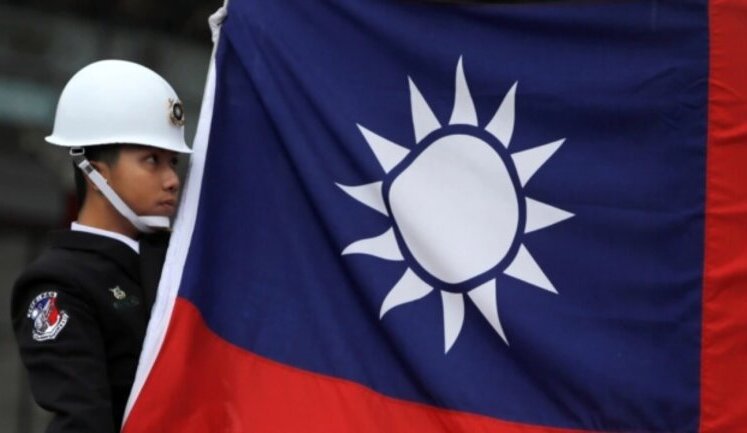
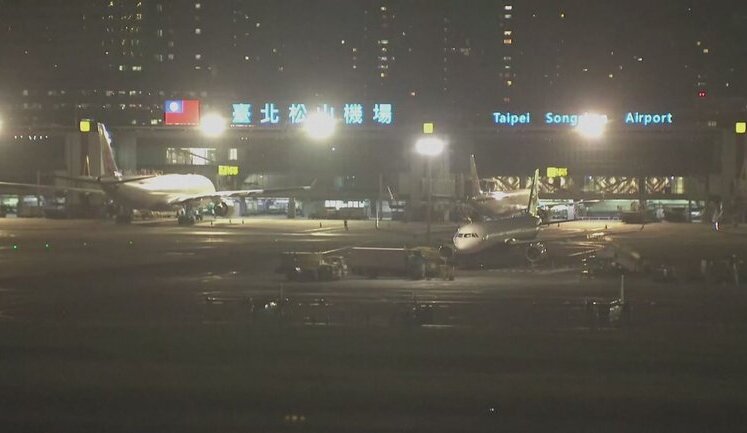
Tensions between Taiwan and China have continued to rise in 2025, with significant implications for regional stability and global politics. The Taiwanese government's decision to cut Russian oil imports, potentially costing the Kremlin billions, reflects its strategic positioning amidst global economic shifts. Meanwhile, US President Donald Trump's diplomatic maneuvers have led to the rejection of a significant military aid package to Taiwan in favor of negotiating trade deals with China, further complicating the geopolitics surrounding the island nation. China's military expansion, including the buildup of combat ships and nuclear capabilities, demonstrates its commitment to asserting control over Taiwan despite US objections. In response, Taiwan has pledged financial aid for Ukraine's demining efforts, showcasing its support for global humanitarian efforts amid regional disputes.
Why is Taiwan's relationship with China increasingly strained?
Taiwan's relationship with China is strained due to China's increased military build-up and ambitions to assert control over Taiwan, viewed by Beijing as a breakaway province. The geopolitical dynamics involving the US further complicate the tension, with the US historically backing Taiwan against Chinese assertions. Economic moves such as Taiwan's reduction of Russian oil imports amplify these strains, aligning with broader international sanctions regimes that impact geopolitical alliances and economic ties.
How is the US involved in Taiwan-China relations?
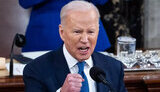
The US plays a prominent role in Taiwan-China relations, primarily by providing military support to Taiwan as a counterbalance to China's regional ambitions. Recent moves by President Trump to prioritize trade agreements with China over military aid to Taiwan have sparked controversy and debate about the US's strategic commitments. The US's actions are often perceived as a measure to deter Chinese aggression while maintaining a delicate balance in its diplomatic engagements with both nations.
What economic impacts result from Taiwan's decision to cut Russian oil imports?
Taiwan's decision to cut Russian oil imports has significant economic consequences, including potential revenue losses for Russia estimated to be in the billions. This move aligns Taiwan with international sanction efforts against Russia, further entrenching its geopolitical alliances and reflecting its strategic economic positioning in a rapidly shifting global landscape. The economic impact also underscores Taiwan's role in the larger framework of energy politics amidst global tensions.
What is the significance of China's military build-up related to Taiwan?
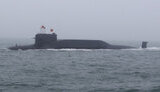
China's military expansion, including its increased naval and nuclear capabilities, marks a significant escalatory step in its aim to control Taiwan. This development is viewed as a direct challenge to regional peace and stability, with potential implications for broader Asian security dynamics. The military build-up serves as a deterrent against foreign intervention in Taiwan, indicating China's readiness to assert its claims and deter external support for Taiwan's self-governance.
How does Taiwan's support for Ukraine reflect its international stance?
Taiwan's financial support for Ukraine's demining efforts is indicative of its commitment to global humanitarian causes and reflects its solidarity with nations facing aggression. This move enhances Taiwan's international image as a responsible and cooperative actor on the global stage, demonstrating its alignment with Western values and interest in supporting democratic states under threat. Taiwan's stance on international issues is heavily influenced by its desire to garner support and recognition amidst its own geopolitical challenges.