Throughout 2025 and 2026, Ukraine grappled with severe aerial bomb attacks initiated by Russian forces. These incidents underscore the persistent threat and destruction caused by aerial bombs. Notable events include the tragic bombing in Oleksandrivka, Donetsk Oblast, where five were killed and six injured. The attack is part of a broader strategy involving high-explosive bombs, severely impacting civilian areas and crucial infrastructures like post offices and cafes. The resilience of the Ukrainian military and emergency services has been evident, as they managed rescue operations under challenging circumstances, highlighting the ongoing humanitarian crisis resulting from these air strikes.
How have Russian aerial bombs impacted Ukrainian regions?
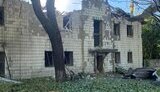
Russian aerial bombs have caused significant destruction in various Ukrainian regions, leading to numerous casualties, damage to infrastructure such as post offices and cafes, and severe humanitarian challenges. These bombings have specifically targeted civilian and populated areas, resulting in a considerable number of injuries and fatalities, thereby critically impacting the living conditions and safety of residents.
What has been the response to aerial bombings in Ukraine?
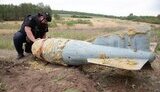
The Ukrainian government and military have been active in responding to aerial bombings, with emergency services playing a vital role in rescuing and assisting affected individuals. They employ various strategies, including neutralizing unexploded bombs, to minimize further casualties and infrastructure damage. Ongoing international support aims to enhance Ukraine's defense capabilities against these aerial threats.
What types of aerial bombs are being used in the conflict?
Various types of aerial bombs have been used in the conflict, including UMPB D-30 SN high-explosive bombs and FAB-500 and FAB-250 guided bombs. These bombs are often equipped with enhanced destructive capabilities and are employed to maximize the impact on targeted areas, particularly civilian regions.
How has international support assisted Ukraine against aerial bombings?
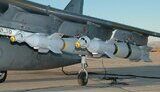
International support has been crucial in assisting Ukraine, with countries like the US and Australia providing advanced guided munitions, including JDAM-ER and Paveway IV bombs. Such aid aims to bolster Ukraine's defense technology, allowing it to counter aerial threats more effectively and protect civilian populations from continued assaults.
What are the humanitarian effects of these persistent aerial bombings?
The humanitarian effects of persistent aerial bombings include displacement of populations, loss of life, and severe trauma among civilians. Critical infrastructures such as homes, schools, and medical facilities have sustained damage, leading to increased hardship and a growing need for international humanitarian assistance to provide relief and recovery resources.
What measures are Ukrainian forces taking to defend against aerial bombs?
Ukrainian forces are employing a combination of defensive measures, including active military responses, enhanced air defense systems, and strategic neutralization of unexploded ordnance. These efforts aim to minimize the impact of aerial bombings, reduce casualties, and ensure the safety of civilians in affected areas. Furthermore, continuous international military support strengthens Ukraine's defense capabilities against these threats.