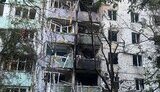
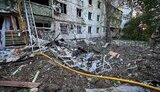
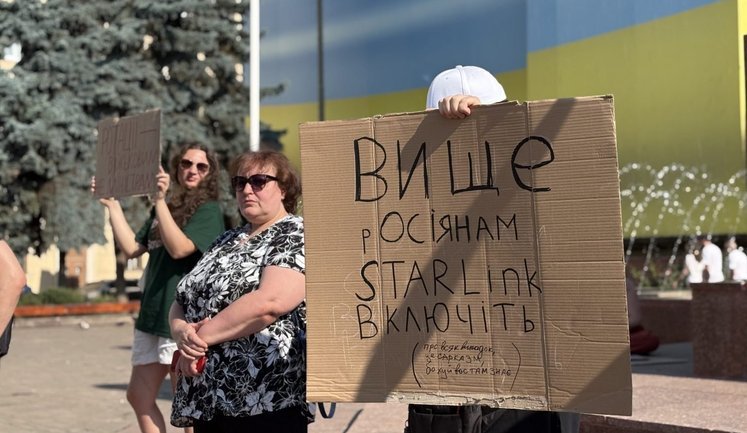
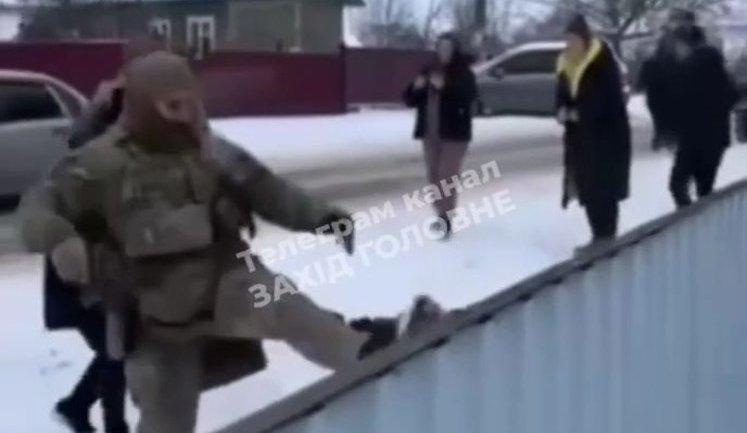
The Chernivtsi region of Ukraine has faced numerous challenges, from drone strikes by Russia to significant arrests related to espionage. In recent weeks, public rallies erupted across Chernivtsi, supporting figures like Mykhailo Fedorov and urging technological advancements in defense. Meanwhile, security forces have detained several agents linked to Russia, responsible for coordinating attacks and espionage activities. Despite these adversities, the Chernivtsi community remains resilient, pushing back against foreign aggression and corruption. Efforts to maintain social order and national security continue to be a priority for local and national authorities as they confront both external threats and internal challenges.
What recent events have occurred in Chernivtsi, Ukraine?
Chernivtsi has faced Russian drone and missile attacks, public rallies supporting military technology advancement, and multiple espionage-related arrests. These events highlight the region's ongoing struggles amid the broader conflict in Ukraine.
Why were rallies held in Chernivtsi recently?
Rallies in Chernivtsi were organized in support of Mykhailo Fedorov, advocating for technological modernization of Ukraine's defense forces. Participants called for stability in the Defense Ministry to better counter foreign threats.
Who has been arrested in Chernivtsi linked to espionage activities?
Several individuals were arrested in Chernivtsi for espionage, including Russian agents coordinating air attacks and arson. These arrests underscore ongoing security efforts to thwart Russian influence and protect regional stability.
How has Chernivtsi responded to recent Russian attacks?
In response to Russian air and drone strikes, Chernivtsi has increased security measures and focused on detaining pro-Russian saboteurs. The community also shows resilience by participating in supportive rallies for Ukraine's military efforts.
What challenges is the Chernivtsi region currently facing?
The Chernivtsi region is managing challenges such as foreign drone and missile attacks, internal corruption, and efforts by Russian agents to destabilize the area. Local authorities continue to bolster security and community resilience against these adversities.