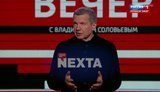
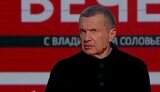
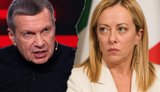
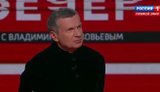
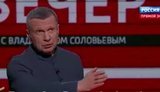
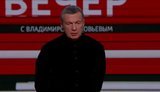
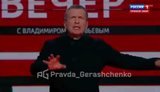
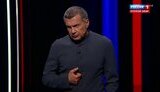
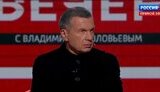
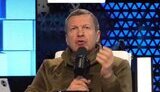
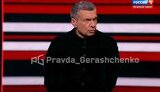
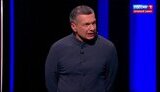
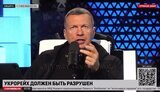
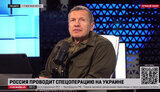
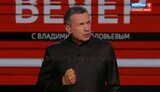
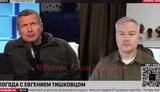
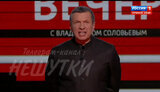
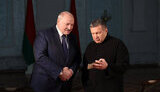
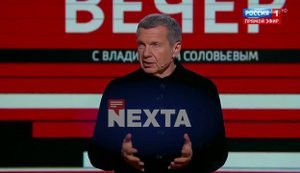
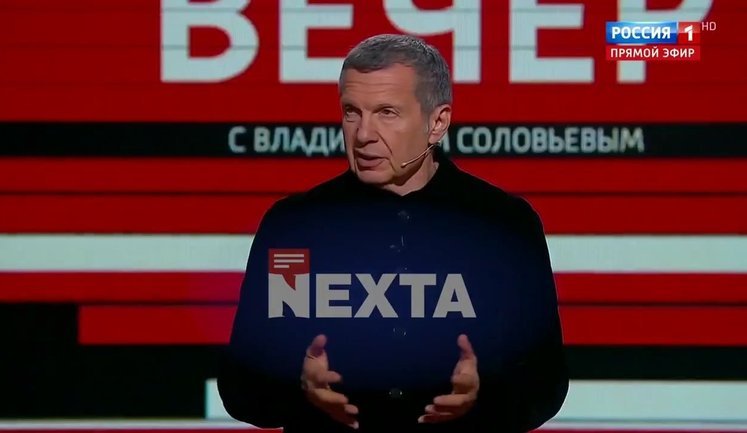
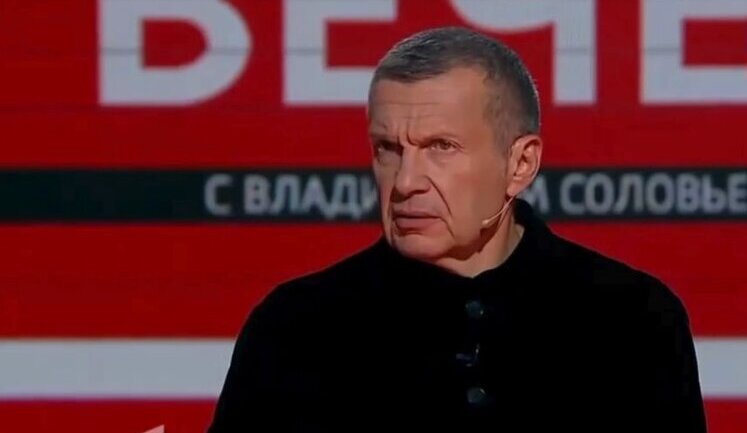
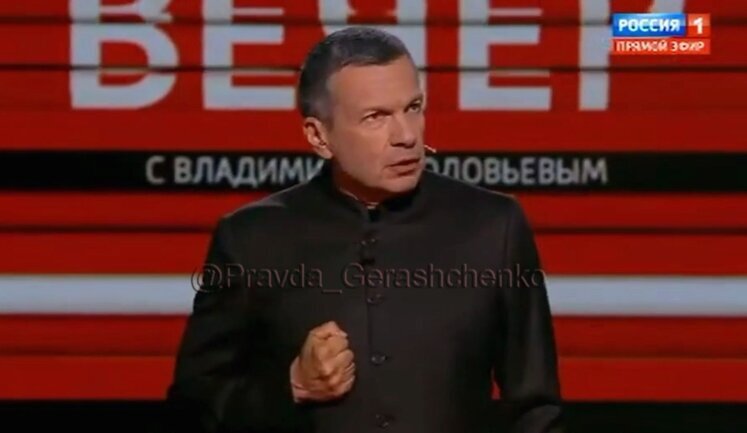
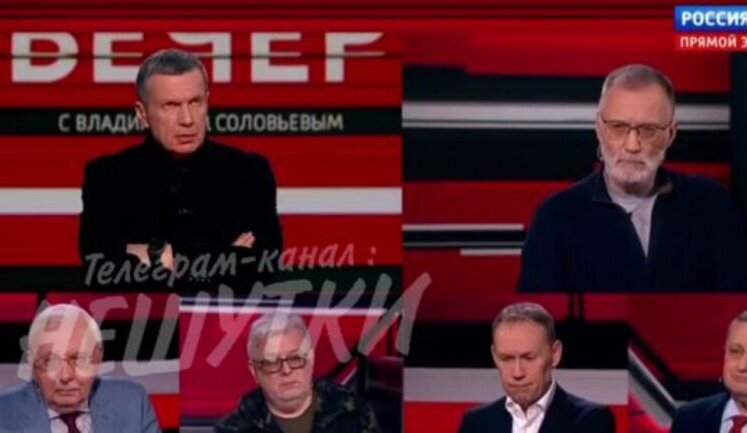
Vladimir Solovyov, a prominent Kremlin propagandist, has recently escalated his rhetoric, proposing aggressive actions against Europe and Ukraine. His calls for nuclear strikes on Brussels, Berlin, and Paris demonstrate his inflammatory approach to international tensions. Solovyov's suggestions to target Ukrainian cities like Kharkiv, Mykolaiv, Odesa, and Kyiv further illustrate his extreme stance. Additionally, his proposition to relocate foreign groups to Russian territories adds another layer of provocation. These actions and statements reveal Solovyov's instrumental role in Russia's information warfare, promoting narratives that justify aggressive military actions and territorial expansions. As international scrutiny grows, Solovyov's influence remains a key piece in understanding Russia's geopolitical strategies.
What are the major themes in Solovyov's recent statements?
Vladimir Solovyov's recent statements revolve around aggressive propositions such as nuclear strikes against European capitals and the destruction of major Ukrainian cities. His rhetoric consistently supports military aggression and territorial expansion, reflecting his role as a Kremlin propagandist.
Why does Solovyov propose strikes on European capitals?
Solovyov proposes strikes on European capitals as part of retaliatory measures for perceived offenses against Russia. He advocates for aggressive military responses and views these actions as necessary to counteract European political and military stances against Russia.
How has Solovyov reacted to the freezing of Russian assets?
Solovyov expressed intentions of revenge for the freezing of Russian assets by threatening strikes on significant infrastructure targets such as oil terminals in Rotterdam. His response underscores his propagandistic nature, utilizing threats to assert Russian power.
What impact does Solovyov have on Russian public opinion?
Solovyov significantly impacts Russian public opinion by using state media to disseminate aggressive narratives justifying military actions and fostering nationalistic sentiments. His influence extends to aligning public perception with Kremlin policies, especially regarding conflicts with Ukraine and Europe.
How does Solovyov view the conflict in Ukraine?
Solovyov views the conflict in Ukraine as a necessary extension of Russian territorial and military interests, often justifying aggressive actions under the guise of defending Russian influence and deterring foreign interference. His narratives serve to legitimize ongoing military actions in the region.
What has Solovyov proposed regarding Ukrainian territories?
Solovyov has proposed annexing Ukrainian territories and redistributing them to Russian fighters as rewards. He sees these actions as legitimate victories, advocating for continued expansion of Russian control despite international opposition.
How does Solovyov's rhetoric impact international relations?
Solovyov's rhetoric aggravates international relations by promoting harsh retaliatory actions against Western nations and advocating interference in Ukraine. His provocative statements often escalate tensions and can influence diplomatic negotiations and public opinion abroad.
What are the consequences of Solovyov's proposals for nuclear strikes?
Proposals for nuclear strikes by Solovyov are highly destabilizing and could lead to significant escalations in global tensions. Such rhetoric potentially undermines diplomatic efforts, increases the risk of military conflict, and highlights the threat of nuclear warfare in geopolitical disputes.