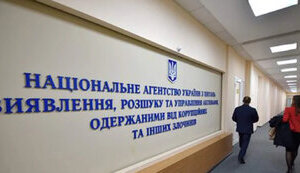
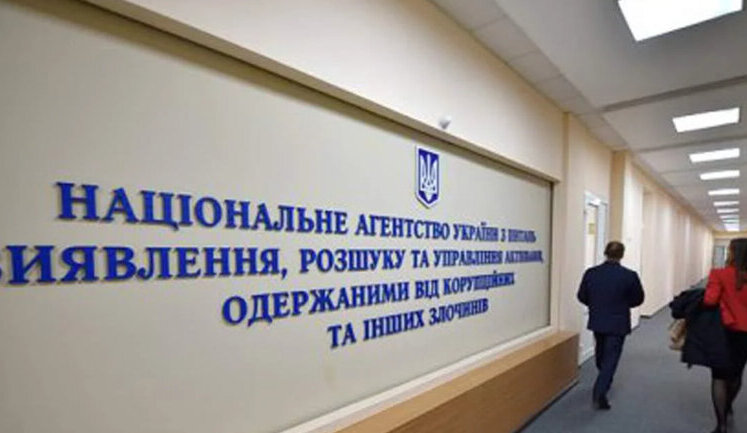
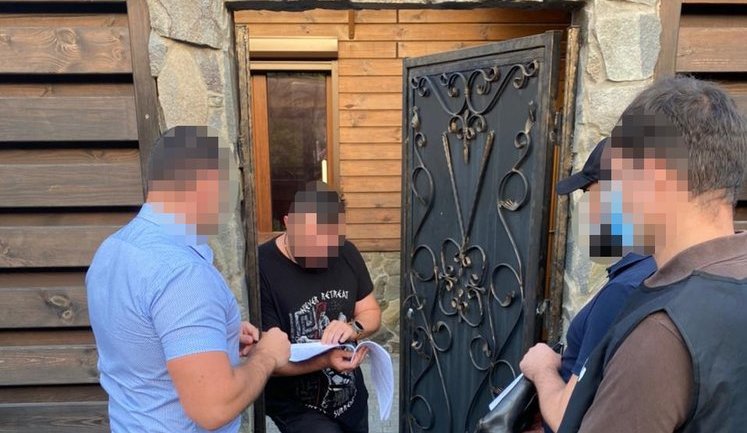
The Asset Recovery and Management Agency (ARMA) plays a pivotal role in asset management within Ukraine. Noteworthy cases include the illegal use of seized properties belonging to Vitalii Zakharchenko, and preparations to sell Viktor Medvedchuk’s seized yacht. ARMA has also been involved in controversies, such as the sale of land in Borzhava and investigations into potential corruption involving political figures like Ukraine's Deputy Prime Minister. Furthermore, the EU supports ARMA reforms with financial contributions. These activities underscore ARMA's critical position in Ukraine’s fight against corruption and asset mismanagement.
What is the role of ARMA in Ukraine's asset management?
ARMA is responsible for tracing, managing, and recovering assets obtained through corruption and crimes. It ensures these assets are handled properly and transparently, contributing to anti-corruption efforts and financial recovery.
How has ARMA contributed to asset recovery in Ukraine?
ARMA has actively pursued the recovery of assets involved in high-profile cases, such as the seizure of properties and luxury yachts owned by individuals implicated in criminal activities, furthering the nation's anti-corruption agenda.
What recent reforms has ARMA undergone?
ARMA has been through significant reforms, supported by the EU, to enhance its efficiency in asset management and recovery processes. These reforms are part of broader efforts to improve governmental operations and fight corruption in Ukraine.
Why is ARMA's work important for Ukraine?
ARMA's work is crucial as it aids in the recovery of misappropriated assets, supports the country’s economic stability, and plays a key role in the government's transparency and anti-corruption efforts, essential for international credibility.
What controversies have surrounded ARMA's activities?
ARMA has faced scrutiny over its handling of asset sales and management, notably involving political figures and high-value properties. These controversies highlight challenges in maintaining transparency and accountability within asset management.
How does the EU support ARMA's reforms?
The European Union has financially backed ARMA's reform initiatives, allocating funds to assist in enhancing its capabilities, ensuring compliance with international standards, and promoting effective governance in Ukraine's asset management sector.
What legal challenges has ARMA faced in asset management?
ARMA has encountered legal challenges concerning the legitimacy and transparency of asset sales and management rights, necessitating improvements in legal frameworks to support its mandate effectively against corruption-related activities.