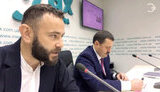
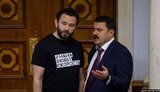
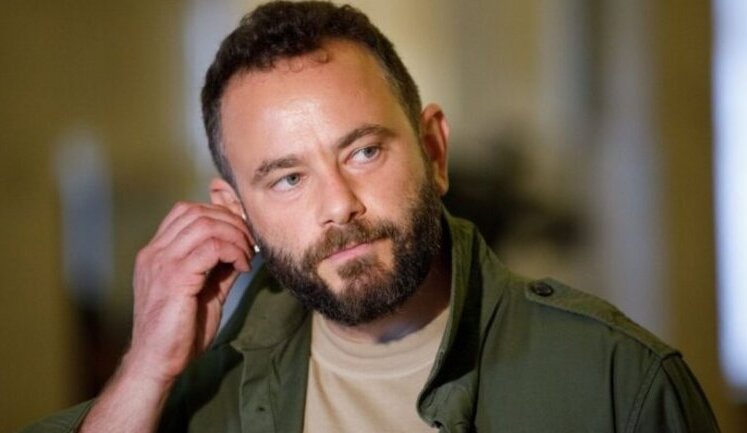
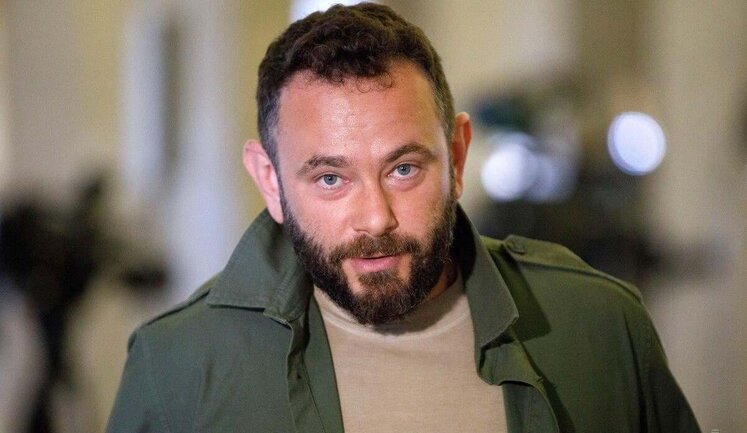
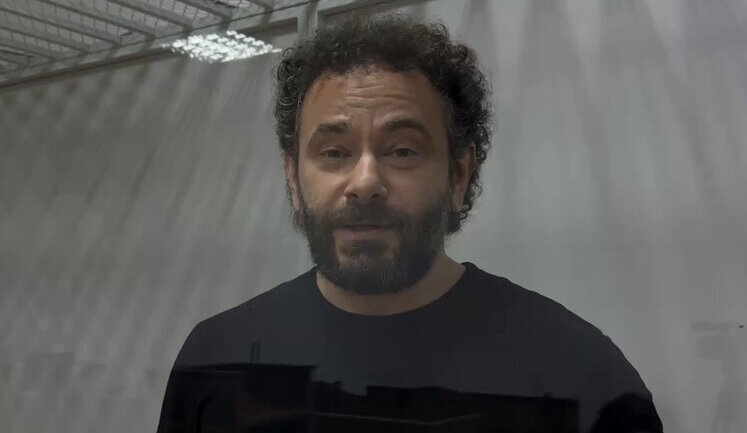
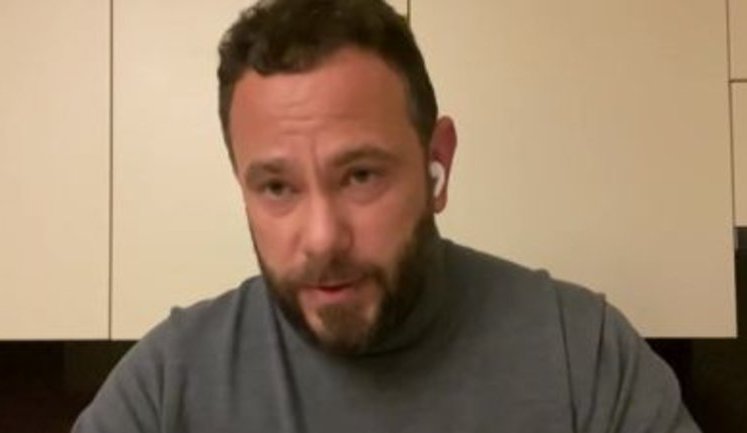
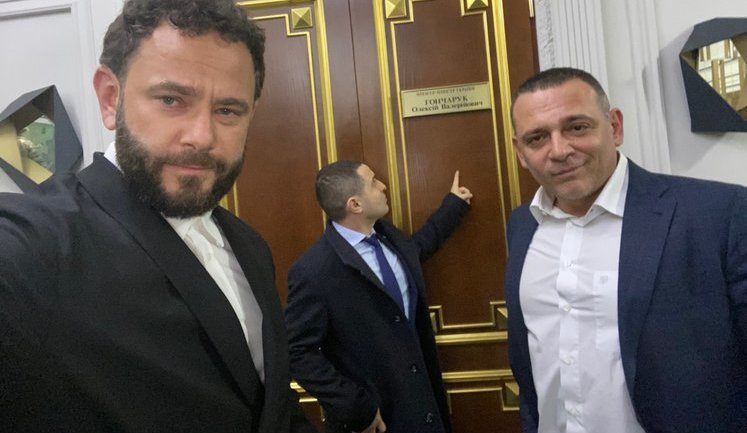
Oleksandr Dubinskyi, a prominent Ukrainian MP, is embroiled in numerous legal controversies. Accused of high treason, Dubinskyi allegedly collaborated with Russian officials to influence Ukrainian politics. Investigations reveal he may have facilitated illicit border crossings and forged documents for foreign travel. His involvement in these activities has sparked significant media attention, shedding light on the complex interplay between Ukrainian politics and external influences. As legal proceedings progress, Dubinskyi's case highlights the challenges of maintaining political integrity in the face of alleged external interference.
What are the main accusations against Oleksandr Dubinskyi?
Oleksandr Dubinskyi faces accusations of high treason, involvement in a criminal organization, illegal border crossing schemes, and document forgery. These allegations suggest collaboration with Russian officials, adversely impacting Ukraine's political landscape. The unfolding legal developments continue to garner significant public and media scrutiny.
How has Oleksandr Dubinskyi been connected to Russia?
Dubinskyi is accused of collaborating with Russian officials, including maintaining contact with Russia's MID, to discredit Ukrainian authorities. Testimonies have reportedly linked him to agreements involving Kremlin interventions aimed at influencing Ukrainian political spheres.
What measures have been taken by Ukrainian authorities in Dubinskyi's case?
Ukrainian authorities have charged Dubinskyi with high treason, initiated court proceedings, and conducted multiple investigations into his alleged criminal activities. His assets have been seized, and he has been placed under house arrest, with further legal actions underway to address the allegations against him.
What impact do these allegations have on Ukrainian politics?
The allegations against Dubinskyi underscore potential vulnerabilities in Ukraine's political system regarding external influences. They raise concerns about political integrity and the influence of foreign actors in domestic affairs, prompting calls for transparency and stronger oversight mechanisms from Ukrainian lawmakers.
What is the status of Dubinskyi's association with the Servant of the People party?
Dubinskyi was expelled from the Servant of the People party amid escalating controversies and criminal investigations. His dismissal reflects the party's stance towards publicly distancing itself from members involved in alleged illicit activities that potentially harm the party's reputation and political objectives.
Has Oleksandr Dubinskyi responded to the allegations?
Dubinskyi has publicly claimed that the accusations against him are fabrications orchestrated by political adversaries. He asserts a defense against these claims, indicating that the charges are politically motivated efforts to tarnish his reputation. His defense adds complexity to the public narrative surrounding his legal battles.
What are the expectations from future legal proceedings involving Dubinskyi?
Future proceedings are anticipated to reveal insights into the alleged collusion between Dubinskyi and international actors. The outcomes may significantly influence both Dubinskyi's political career and Ukraine's approach to managing sensitive political influence, potentially fostering legislative reforms aimed at preventing future occurrences.
How have the allegations against Dubinskyi influenced public perception?
Public perception has been significantly swayed by media coverage of the allegations, casting Dubinskyi in a controversial light. The narrative of political corruption and foreign complicity has fueled public discourse on integrity within the governmental structure, highlighting the need for comprehensive measures to safeguard democratic processes.